
TL;DR
Japan and Taiwan are initiating a cooperative effort on drone development to counter China’s supply chain dominance. The collaboration is in early stages, driven by industry interests and geopolitical concerns. Details on specific projects remain limited.
Japan and Taiwan are starting to collaborate on drone technology development, aiming to reduce their dependence on China’s supply chain, according to industry sources and recent reports. This cooperation reflects broader efforts by both regions to diversify their defense and technology supply chains amid geopolitical tensions.

Get the latest gadgets delivered free with Prime
- Fast, free delivery on millions of items
- Prime Video, Amazon Music and more included
- Member-only deals all year
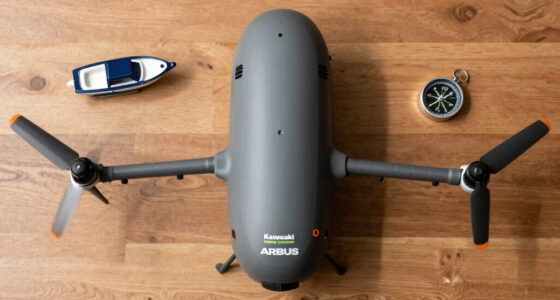
The nascent partnership involves industry players from Japan and Taiwan, with initial discussions focused on joint research and development of military and commercial drones. While specific projects have not been publicly disclosed, sources indicate that both governments and private firms see strategic value in reducing reliance on Chinese manufacturing and supply chains. Taiwan has showcased its drone capabilities with locally produced models like the Hummer 2, and Japan has expressed interest in expanding its drone industry for defense and civil applications.
Officials and industry representatives emphasize that this cooperation is still in early stages, with concrete agreements or joint ventures yet to be finalized. The initiative is part of a broader regional trend where Japan and Taiwan seek to strengthen technological independence amid rising geopolitical tensions linked to China.
Why It Matters
This development signals a strategic shift for Japan and Taiwan as they seek to bolster their technological sovereignty and reduce vulnerabilities linked to Chinese supply chains. It also indicates growing industry-led efforts to develop indigenous drone capabilities, which could impact regional security dynamics and supply chain resilience. For global defense and technology markets, this cooperation may foster new competition and innovation in unmanned systems.
Products Worth Considering

Apple Watch Series 10 GPS 46mm with Silver Aluminum Case and Blue Cloud Sport Loop

Bose QuietComfort Headphones (2nd Gen), Wireless Over-Ear Noise-Cancelling Headphones, Black

LG UltraGear 27-Inch QHD OLED Gaming Monitor, 240Hz, 0.03ms, G-SYNC Compatible, FreeSync Premium Pro, HDMI 2.1, Black
As an affiliate, we earn on qualifying purchases.
Background
Both Japan and Taiwan have long been cautious of China’s expanding military and technological influence. Taiwan has invested heavily in developing its drone industry, partly driven by regional security concerns. Japan, historically more reliant on imports for defense equipment, has recently prioritized indigenous technology development, including drones. The collaboration emerges amid ongoing geopolitical tensions, with both regions seeking to diversify their supply chains and reduce dependence on China, especially in critical sectors like aerospace and defense.
“This cooperation could mark a turning point for Japan and Taiwan as they aim to build more autonomous drone industries, reducing reliance on Chinese manufacturing and supply chains.”
— Industry analyst in Tokyo
“Both sides see this as a way to enhance our technological capabilities and resilience, especially in unmanned systems for defense and civil use.”
— Taiwanese defense official
What Remains Unclear
It is not yet clear what specific projects or milestones will be involved in this cooperation. Details on funding, timelines, and the scope of joint development remain undisclosed. Additionally, the extent of government involvement versus private sector leadership is still evolving.
What’s Next
Next steps include formalizing agreements, establishing joint research initiatives, and potentially announcing pilot projects. Both governments and industry players are expected to hold further discussions in the coming months to define concrete collaborations and timelines.
Key Questions
What types of drones are Japan and Taiwan focusing on?
While specific models are not publicly detailed, the focus appears to be on military and civil unmanned aerial systems, including surveillance, reconnaissance, and possibly combat-capable drones.
Are there any existing joint projects between Japan and Taiwan on drones?
Currently, the cooperation is in early stages, with no publicly announced joint projects yet. Discussions are ongoing to define future initiatives.
Why are Japan and Taiwan interested in reducing reliance on China?
Both regions aim to strengthen their technological independence and supply chain resilience amid geopolitical tensions and China’s expanding influence in regional and global markets.