

TL;DR
Idemitsu Kosan, a major Japanese oil company, expects the ongoing Hormuz Strait crisis to ease by July. This outlook suggests oil prices may return to pre-crisis levels early next year, though uncertainties remain.
Idemitsu Kosan, one of Japan’s largest petroleum companies, expects the ongoing tensions in the Strait of Hormuz to begin easing in July, with a subsequent fall in oil prices anticipated early next year.
According to Idemitsu Kosan, the crisis surrounding the Strait of Hormuz, a critical chokepoint for global oil shipments, is projected to subside by July. The company’s assessment is based on recent diplomatic developments and military de-escalation efforts in the region. Idemitsu has maintained its ability to navigate through the Strait despite heightened tensions, which have disrupted supply routes and contributed to rising oil prices. The company predicts that as the crisis diminishes, oil prices will stabilize, returning to pre-crisis levels by early next year, although exact figures remain uncertain.
Idemitsu’s outlook aligns with broader industry expectations that regional tensions may decrease as diplomatic negotiations continue. The company also emphasized its efforts to secure oil supplies from sources outside the Middle East to mitigate future disruptions. While the timing of the crisis’s resolution is still subject to regional developments, Idemitsu’s assessment suggests a relatively swift easing compared to previous flare-ups.
Why It Matters
This forecast is significant because the Strait of Hormuz is a vital passage for global oil exports, with about 20% of the world’s petroleum passing through it. A resolution to the crisis could lead to a stabilization of oil prices, which have been volatile amid ongoing tensions. For Japan, a major importer of Middle Eastern oil, this development could ease supply concerns and influence energy policy and pricing. Globally, a decrease in tensions could reduce the risk premium currently embedded in oil markets, potentially lowering fuel costs for consumers and industries.

Smart Oil Gauge – Wi-Fi Heating Oil Tank Gauge with Smart Monitoring – Fuel Tank Gauge Compatible with Alexa – Designed for 275/330/500/550 Gallon Tanks (Vertical/Horizontal)
- Remote Monitoring: Track oil levels via smartphone anywhere
- Low-Level Alerts: Get alerts at critical fuel levels
- Energy Optimization: Monitor usage to reduce costs
As an affiliate, we earn on qualifying purchases.
As an affiliate, we earn on qualifying purchases.
Background
The Strait of Hormuz has been a focal point of tension since Iran’s conflict with Western powers escalated in recent years. Since the U.S. attack on Iran, only a few vessels, including those operated by Idemitsu Kosan, have successfully navigated the strait amid heightened military activity and threats. Previous disruptions have caused spikes in oil prices and raised fears of wider conflict affecting global energy supplies. Diplomatic efforts have been ongoing to de-escalate the situation, with regional actors and international powers engaging in negotiations. The current outlook from Idemitsu indicates a potential turning point, but regional stability remains uncertain.
“Idemitsu Kosan expects the Hormuz crisis to begin subsiding in July, with oil prices falling to pre-crisis levels early next year.”
— Shoutaro Tani, Nikkei Asia
“We are closely monitoring regional developments and have secured alternative supply routes outside the Middle East to ensure stability.”
— Idemitsu Kosan spokesperson
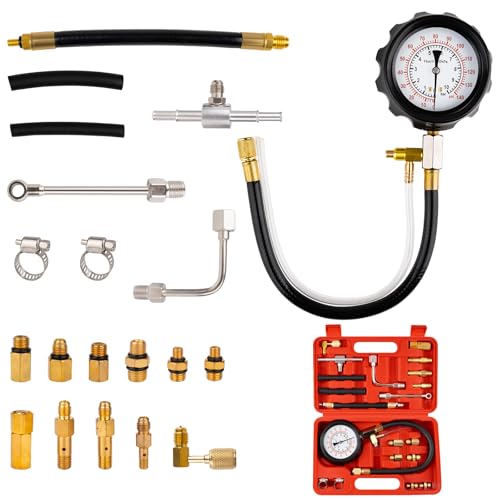
0-140PSI Fuel Pressure Tester Kit, Fuel Injector Injection Pump Pressure Gauge, Fuel Pump Pressure Tester Diagnostic Tool for Gasoline Cars, Trucks, Motorcycles and RVs
- Compatibility Note: Check vehicle manual for compatibility
- Wide Compatibility: Suitable for most gasoline engines
- Accurate Testing: High-precision sensors for reliable readings
As an affiliate, we earn on qualifying purchases.
As an affiliate, we earn on qualifying purchases.
What Remains Unclear
It remains unclear whether regional tensions will fully de-escalate as predicted, or if unforeseen incidents could prolong the crisis. The timing of the crisis’s resolution is still uncertain, and geopolitical developments could alter the outlook.

STA-BIL Storage Fuel Stabilizer, 16 oz
- Product Quality: Great product
As an affiliate, we earn on qualifying purchases.
As an affiliate, we earn on qualifying purchases.
What’s Next
Regional diplomatic efforts are expected to continue, with potential announcements of de-escalation or agreements in the coming weeks. Oil markets will closely watch these developments, and further updates from Idemitsu and other industry players are anticipated as July approaches.

wdcfxy Aluminum Fuel Bottle 750ml – Camping Fuel Container
- Versatile Fuel Storage: Stores alcohol, gas, petrol, kerosene
- Leak-Proof Seal: Prevents fuel volatilization
- High-Quality Aluminum: Seamless, durable construction
As an affiliate, we earn on qualifying purchases.
As an affiliate, we earn on qualifying purchases.
Key Questions
What is causing the Hormuz crisis?
The crisis is primarily driven by regional tensions involving Iran, the U.S., and other Middle Eastern actors, with threats to shipping security and military confrontations disrupting oil transit routes.
How reliable is Idemitsu’s forecast?
The forecast is based on current diplomatic and military assessments; however, regional tensions are complex and can change rapidly, so the timing of the crisis’s resolution remains uncertain.
What impact could this have on global oil prices?
If tensions ease as predicted, oil prices could stabilize and potentially fall to pre-crisis levels early next year, reducing volatility in energy markets.
Will Japan’s oil supply be affected if the crisis subsides?
While Japan has diversified its sources, the resolution of the crisis could ease supply disruptions and help stabilize prices, benefiting Japanese energy security.