Mid-market companies test new vendor approval workflows to reduce onboarding time and improve security compliance, using staged approval forms and automation.
Browsing Category
Legal Operations
16 posts
One-click Employee Offboarding For Startups Without IT
A new tool aims to simplify offboarding for small startups without dedicated IT, automating access revocation and security checks.
Scaling AI Responsibly: Gilbert + Tobin’s Partnership With OpenAI
Australian law firm Gilbert + Tobin collaborates with OpenAI to govern and scale AI use, emphasizing controlled deployment amid legal confidentiality concerns.
LegalTech For Small Businesses: Grammarly’s Role In Civil Disputes
A new LegalTech tool using Grammarly-like verification is being developed to assist small businesses and self-represented litigants in drafting court-ready civil dispute documents.
Nitter And XCancel Receive Cease And Desist Notices
Nitter and XCancel have been served cease and desist notices, impacting their operation. Details remain developing, with legal actions confirmed.
Border Felony Charges: Disrupting The Pulse Of Trade And Supply-Chain Operations
U.S. authorities have filed felony charges against a citizen for deleting phone data at the border, raising concerns for trade and supply-chain operations.
AI Trends & Support: Protect Yourself By Tracking Operations Signals
A new AI signal monitor helps operations leads track key AI capability and policy shifts, improving decision-making for small teams deploying AI tools.
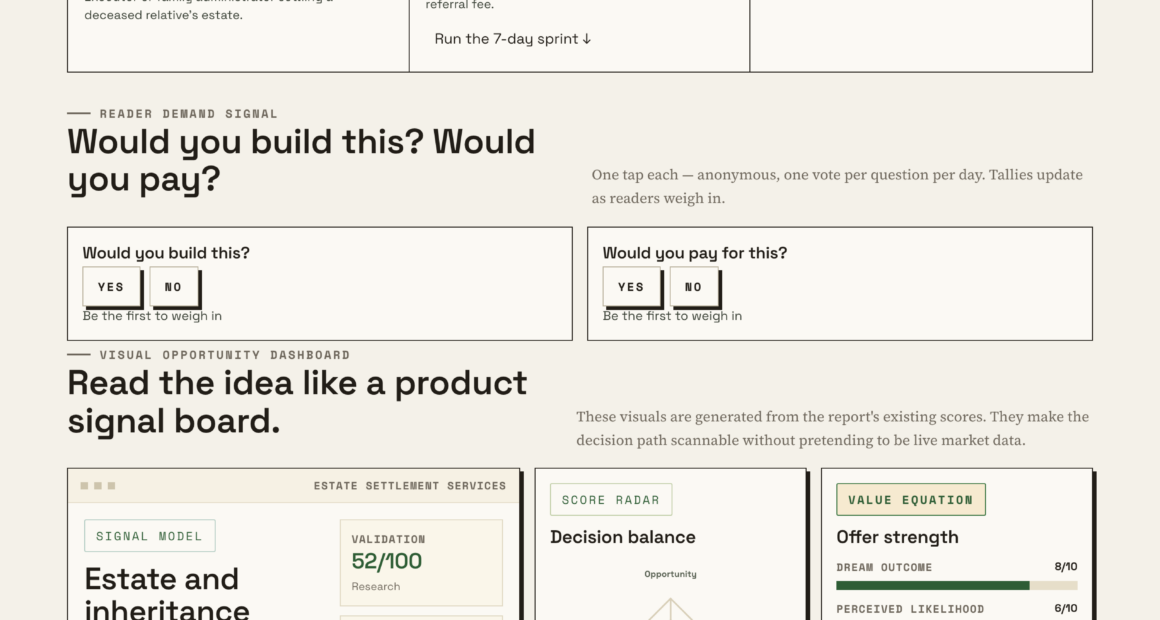
Estate And Inheritance Facilitator Marketplace
A new marketplace for estate and inheritance facilitation is being tested, focusing on guiding executors through settlement steps with vetted services.
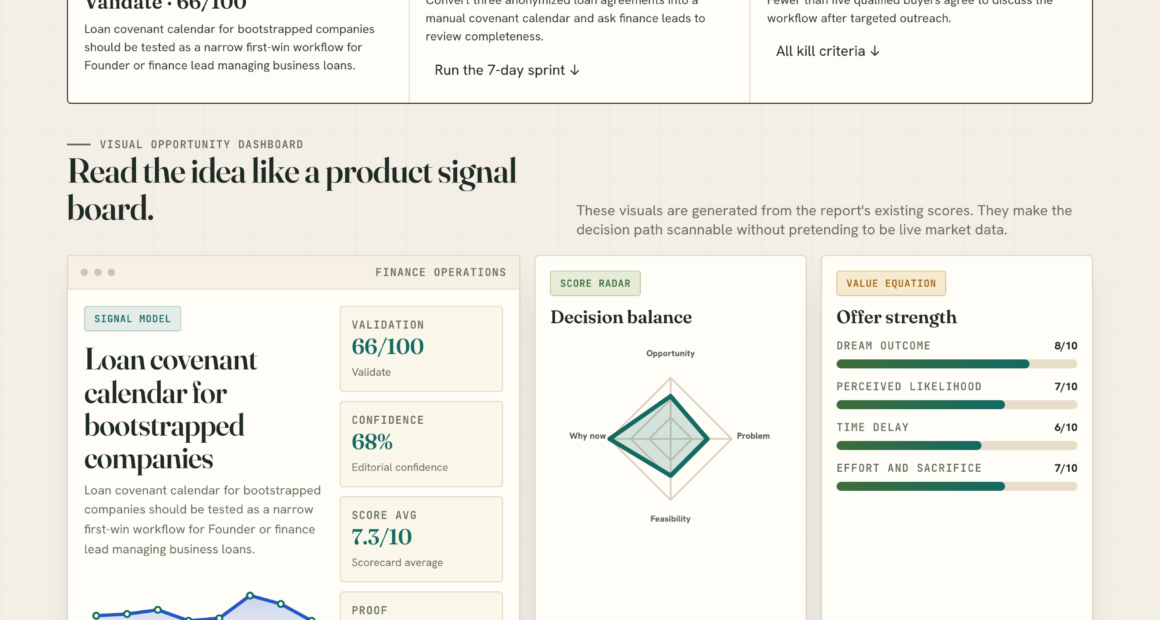
Loan covenant calendar for bootstrapped companies
A new workflow tool for small, bootstrapped companies to manage loan covenants is entering testing, aiming to improve compliance and lender communication.
The rails. Why European agentic commerce is co-defined by two converging regimes.
European law is shaping agentic commerce through two regulatory regimes—PSD3/PSR and the AI Act—creating a complex, statutory infrastructure that differs from US models.