
TL;DR

Get the latest gadgets delivered free — and shop member deals
- Fast, free delivery on millions of items
- Access to Prime Big Deal Days deals on October 6–7
- Prime Video, Amazon Music and more included
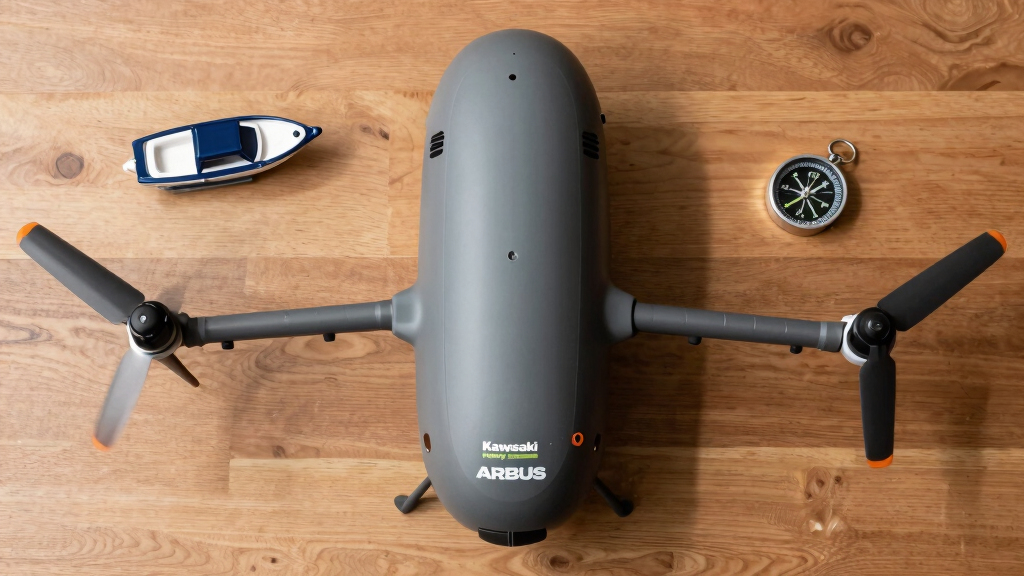
Kawasaki Heavy Industries and Airbus are partnering to create anti-submarine drones for Japan, beginning with equipping Airbus’s Eurodrone with maritime surveillance technology. This marks a significant step in Japan’s defense modernization efforts.
Kawasaki Heavy Industries and Airbus have announced a partnership to develop anti-submarine drones for Japan’s defense forces, starting with equipping Airbus’s Eurodrone with maritime surveillance technology. This collaboration aims to enhance Japan’s maritime security capabilities amid regional tensions.
The partnership involves Kawasaki Heavy Industries working with Airbus to adapt the Eurodrone, a European intelligence-gathering drone, with specialized anti-submarine systems. The project is intended to produce operational drones that can detect and track submarines, addressing Japan’s strategic need for advanced maritime surveillance.
According to sources familiar with the matter, the collaboration will focus on integrating Kawasaki’s anti-submarine technology into the existing Eurodrone platform, which is designed for intelligence, surveillance, and reconnaissance missions. The modified drone will be proposed to Japan’s defense ministry for procurement and deployment.
While the project is still in development, officials from Kawasaki and Airbus confirmed that initial testing phases are underway, with plans to demonstrate the drone’s capabilities within the next year. The initiative is part of Japan’s broader efforts to modernize its military and counter regional submarine threats.
Implications for Japan’s Maritime Security Capabilities
This collaboration represents a significant step in Japan’s efforts to modernize its maritime defense systems amid increasing regional submarine activity. The deployment of anti-submarine drones could provide Japan with enhanced surveillance and rapid response capabilities, crucial for maintaining maritime sovereignty and security in the Asia-Pacific region.
Furthermore, the partnership signals a shift toward integrating advanced drone technology into Japan’s defense strategy, potentially setting a precedent for future collaborations and indigenous development of military unmanned systems. It also underscores the importance of international cooperation in defense innovation, especially with European aerospace firms like Airbus.
As an affiliate, we earn on qualifying purchases.
Regional Tensions Drive Defense Tech Development
Japan has been increasing its focus on maritime security, particularly in response to rising submarine activity from neighboring countries. The development of anti-submarine drones aligns with Japan’s broader military modernization plans, which include acquiring advanced surveillance and reconnaissance systems.
Previously, Japan has relied on traditional submarine detection methods, but the evolving regional threat landscape has prompted the government to seek more agile and technologically advanced solutions. The Eurodrone, developed by Airbus, has been considered for various surveillance roles, and now it is being adapted for anti-submarine purposes through this partnership with Kawasaki.
This project is part of Japan’s ongoing efforts to upgrade its defense capabilities, including recent procurements of new maritime patrol aircraft and missile systems, reflecting a strategic shift toward unmanned and autonomous systems.
“This partnership allows us to leverage our anti-submarine technology with a proven drone platform, enhancing Japan’s maritime surveillance capabilities.”
— an anonymous Kawasaki official
As an affiliate, we earn on qualifying purchases.
Unconfirmed Details on Deployment Timeline and Capabilities
It is not yet clear when the modified drones will be fully operational or how extensively they will be deployed by Japan. Details about the drone’s specific technical capabilities and operational parameters remain undisclosed, and testing results are still pending.
Additionally, the scope of future procurement and whether similar systems will be exported or used in other regions is still uncertain.
As an affiliate, we earn on qualifying purchases.
Next Steps in Testing and Potential Deployment Schedule
The next phase involves testing the anti-submarine drone’s capabilities, with initial demonstrations expected within the next 12 months. Pending successful trials, Japan’s defense ministry may approve the procurement of these drones for operational deployment in the near future.
Further details on the scale of deployment and integration into existing maritime security systems are anticipated as the project advances.
As an affiliate, we earn on qualifying purchases.
Key Questions
What is the main purpose of this anti-submarine drone?
The drone is designed to detect and track submarines, enhancing Japan’s maritime surveillance and defense capabilities.
How will Kawasaki’s technology be integrated into the Eurodrone?
Kawasaki will equip the Eurodrone with its anti-submarine systems, allowing it to perform maritime surveillance and submarine detection missions.
When are the drones expected to be operational?
Initial testing is planned within the next year, with potential operational deployment depending on test outcomes and approval processes.
Could this technology be exported to other countries?
While the primary focus is on Japan, future export possibilities are not yet confirmed and depend on the success of development and Japan’s defense policies.
Does this partnership involve other countries besides Japan?
No, the collaboration is specifically between Kawasaki Heavy Industries, Airbus, and Japan’s defense authorities, with no public indication of involvement from other nations.
Source: Nikkei Asia
Fall Picks
fall essentials
As an affiliate, we earn on qualifying purchases.