🔍 Read the full analysis: Want Faster, More Immersive Play? Consider These 8 OLED Monitors on ThorstenMeyerAI.com

Get the latest gadgets delivered free with Prime
- Fast, free delivery on millions of items
- Prime Video, Amazon Music and more included
- Member-only deals all year
TL;DR
ThorstenMeyerAI.com’s guide ranks eight OLED gaming monitors for different priorities, naming the ASUS ROG Strix XG27ACDNG its top pick for competitive play and the Alienware AW3425DW its ultrawide option. The models vary in refresh rate, screen format and listed features; the guide does not supply prices, independent test results or full specifications.
As detailed in the original OLED monitor guide, ThorstenMeyerAI.com compares eight OLED gaming monitors for different setups. The guide ranks the ASUS ROG Strix XG27ACDNG first for competitive play, citing its stated QHD QD-OLED resolution and 360Hz refresh rate, and names the Alienware AW3425DW as its ultrawide option. This is a product-selection report, not a new product announcement; the supplied guide does not include prices, independent test results or a publication date.
ThorstenMeyerAI.com’s OLED monitor recommendations reflect distinct priorities rather than a single measure of performance. The guide puts the ASUS in its competitive-play category and describes the Alienware’s 34.2-inch curved ultrawide format as a fit for players who want a wider view. It also says the LG 27GX704A-B combines a 240Hz panel with broad adaptive-sync support, but supplies no measured performance or complete list of supported modes.
The guide also names Acer, AOC and ASUS 240Hz QHD OLED options, the Samsung G6 and Samsung G5. It groups the Acer, AOC, ASUS, LG and Samsung G6 models among the 240Hz QHD choices, while describing the G5 as a simpler QHD OLED option without the same stated high-refresh emphasis. The guide does not provide exact model numbers or complete specifications for every entry.
According to the guide, its ranking weighs intended use, resolution, refresh rate, screen shape, adaptive-sync support and listed connections. It cautions that a high refresh-rate specification is a ceiling: a computer must render enough frames to make use of it. The guide also advises checking game compatibility, device connections and OLED care features before buying.
The 8 picks
- 1
 Alienware AW3425DW 34.2-inch Curved QD-OLED Gaming MonitorView on Amazon →
- 2
 ASUS ROG Strix XG27ACDNG 26.5-Inch QHD QD-OLED Gaming Monitor, 360HzView on Amazon →
- 3
 ASUS ROG Strix XG27AQDMGR 27-Inch QHD 240Hz OLED Gaming MonitorView on Amazon →
- 4
 Samsung 27-inch Odyssey OLED G6 QD-OLED QHD Gaming Monitor (G61SH)View on Amazon →
- 5
 AOC Q27GAZDV 27-Inch QHD 240Hz QD-OLED Gaming MonitorView on Amazon →
- 6
 LG 27GX704A-B 27-inch Ultragear QHD (2650×1440) OLED Gaming Monitor 240Hz, 0….View on Amazon →
- 7
 Samsung 27-Inch Odyssey OLED G5 QHD Gaming Monitor (G50SF)View on Amazon →
- 8
 Acer Predator 26.5-inch QHD 2560×1440 QD-OLED Gaming Monitor X27U W1View on Amazon →
Match the Monitor to Your Games
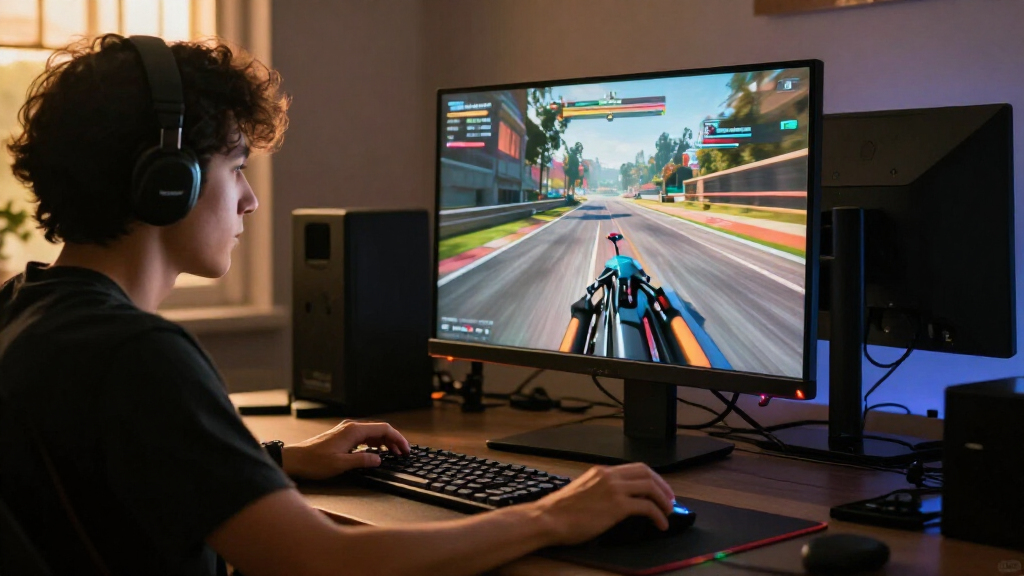
The guide’s eight picks illustrate why the OLED label alone does not settle a buying decision. Its 360Hz QHD display recommendation may suit competitive games and a powerful PC, while a 240Hz model may be sufficient for many players. These are stated display capabilities, not evidence of the frame rate a particular game or system will deliver.
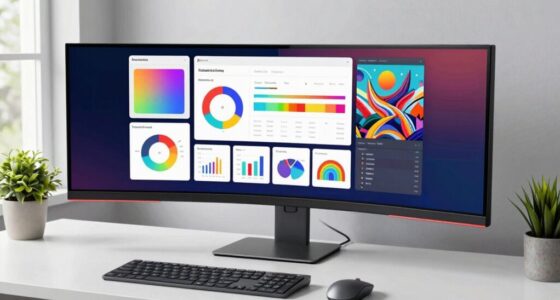
Screen shape also changes the tradeoff. The guide describes the 34.2-inch ultrawide Alienware as a way to gain horizontal space and a more encompassing view in games that support its aspect ratio. That format needs more desk room and more graphics processing than a conventional QHD screen. Buyers who use consoles or switch among work and gaming devices may value verified port support and adaptive sync more than a higher headline refresh rate.
The guide includes OLED maintenance among its buying considerations, advising users to manage long sessions with static desktop elements and use available display-care features. It provides no model-by-model test data on longevity, brightness or burn-in risk, so its rankings do not establish that one monitor is more durable than another.
Products Worth Considering

LG UltraGear 27G810A-B 27-Inch 4K UHD IPS Gaming Monitor
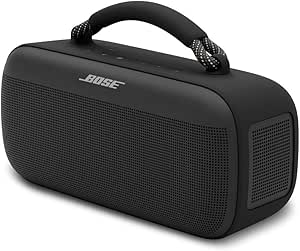
Bose SoundLink Max Portable Bluetooth Speaker, IP67 Waterproof, Black

Jackery Explorer 1000 v2 Portable Power Station
As an affiliate, we earn on qualifying purchases.
Eight Models, Different Priorities
ThorstenMeyerAI.com frames its list around four broad needs: competitive speed, general-purpose QHD gaming, ultrawide immersion and a less demanding entry point. The guide describes most named options as conventional QHD displays, with several using QD-OLED and others described as OLED. It presents the Alienware as the distinct ultrawide choice and a specialized fit rather than a universal recommendation.
The guide says several models share the headline combination of QHD resolution and 240Hz refresh. It recommends distinguishing those options by features, connections and intended use, but does not provide enough complete specifications to compare every port or feature directly. It advises confirming the exact model’s supported resolution and refresh rate over the connection a buyer plans to use, particularly for consoles and laptops.
The guide distinguishes OLED from QD-OLED as a panel-category difference and cautions readers not to infer identical behavior for reflections, brightness or color from the label alone. The supplied material includes neither model-specific specifications nor independent measurements of those attributes.
Specifications and Tests Not Supplied
The supplied ThorstenMeyerAI.com guide does not state its publication date, prices, regional availability or where the monitors can be purchased. It also omits exact model identifiers for several Acer, AOC, ASUS and Samsung entries, making it difficult to verify which configurations its recommendations refer to.
The guide includes no independent measurements, testing method, firmware details or model-by-model results. Its rankings should therefore be read as the publisher’s editorial assessment of stated features and buyer fit, not as a verified comparison of image quality, response time, brightness, durability or value. The guide also leaves unspecified the extent of game support for the Alienware’s ultrawide format and each monitor’s exact port capabilities.
Verify Details Before Buying
For any model on the list, buyers should check the manufacturer’s current specification sheet for its exact model number, supported resolution and refresh rate, adaptive-sync modes, port count and connection limits. The guide also advises confirming console compatibility and whether a buyer’s most-played games support ultrawide resolutions before choosing the Alienware format.
To compare qualities not established by the guide, buyers can consult independent measurements for brightness, reflections and response behavior. Prices and availability may vary by market; because the guide gives no publication date, its rankings and product details should be checked against current listings before purchase.
Key Questions
Which monitor does the guide rank highest?
ThorstenMeyerAI.com’s guide ranks the ASUS ROG Strix XG27ACDNG best overall, citing its QHD QD-OLED panel and stated 360Hz refresh rate. That is the guide’s ranking, not an independent test result.
Which pick is aimed at ultrawide gaming?
The guide identifies the Alienware AW3425DW as its ultrawide option, describing it as a 34.2-inch curved display. It advises buyers to check game support and desk space before choosing that format.
Do all the listed monitors run at 240Hz?
No. The guide identifies the ASUS XG27ACDNG as a 360Hz model, describes several QHD options including the LG 27GX704A-B as 240Hz, and presents the Samsung G5 as a simpler QHD OLED choice without the same high-refresh emphasis. It does not provide complete specifications for every entry.
Will a 360Hz monitor make every game run at 360 frames per second?
No. As the guide notes, a monitor’s refresh-rate rating is its stated ceiling. The computer and game must produce enough frames to use that rate, so the guide advises matching the display to the games and graphics hardware.
What should buyers check before choosing an OLED monitor?
The guide advises confirming the exact model’s refresh rate, resolution, ports and device compatibility; considering whether QHD or ultrawide fits the games and desk; and reviewing independent measurements for priorities such as brightness or reflections. It also recommends managing static screen content and using available OLED care features.
Source: ThorstenMeyerAI.com