
To save money building a PC on a budget, focus on pre-built options or choose last-generation parts to get better deals. Always verify component compatibility using online tools and look for sales, discounts, or refurbished items to cut costs. Balance your spending by investing in essential components like the CPU and GPU, while saving on others like storage or case. Want more tips to maximize value? Keep exploring to find out how to build an affordable, high-performing system.
Key Takeaways
- Choose pre-built systems or bundles to save costs and ensure compatibility.
- Prioritize mid-range components and last-generation parts for better value.
- Shop during sales, discounts, or promotional events to get the best deals.
- Verify component compatibility carefully to avoid unnecessary upgrades or replacements.
- Focus your budget on essential components like CPU and GPU for optimal performance.
Building a PC on a budget is entirely achievable if you know where to focus your spending and how to make smart choices. One of the best ways to save money upfront is to consider pre-built options. These systems often come at a lower total cost than buying each part separately, especially when you factor in discounts, deals, or bundles. Plus, pre-built PCs take the guesswork out of compatibility issues, guaranteeing that all components work together seamlessly. If you’re new to building, starting with a pre-built can be a smart move. However, if you’re comfortable with some DIY, you can always buy a pre-built and upgrade certain parts later to improve performance without overspending initially.
When shopping for parts, component compatibility is essential. It’s easy to get excited about a shiny new CPU or GPU, but if it doesn’t fit with your motherboard or power supply, you’ll end up wasting money. Always double-check the socket type on your CPU matches the motherboard, and verify that the motherboard supports your chosen RAM speed and capacity. Compatibility also extends to the power supply, which needs enough wattage to support your components. Remember, a mismatched or underpowered PSU can lead to stability issues or damage. Spending a little extra on a reliable power supply can save you money and headaches down the line.
To maximize your savings, do your research before purchasing. Use online tools and compatibility checkers to guarantee your selected parts will work together. Read reviews and user feedback to identify components with good performance-to-price ratios. Don’t get tempted by the latest high-end parts if they’re outside your budget; instead, focus on mid-range components that deliver solid performance for less. For example, opting for last-generation CPUs and GPUs can save you a significant amount of money while still handling most tasks efficiently.
You should also consider waiting for sales or discounts, especially around major shopping events like Black Friday or back-to-school seasons. Sometimes, buying a slightly older but still capable component can save you hundreds without sacrificing much in performance. Additionally, consider refurbished or open-box parts, which often come with warranties but cost less than brand-new items. Just make sure to buy from reputable sellers to avoid issues with faulty hardware. Remember, shopping during seasonal sales can be a game-changer for your budget.
In the end, building a budget-friendly PC boils down to smart planning and research. Whether you choose pre-built options for convenience or carefully select compatible parts yourself, understanding where to spend and where to save will help you create a capable system without breaking the bank. Focus on component compatibility and leverage deals, and you’ll be well on your way to a cost-effective, high-performing build.

GPVHOSO Gaming Desktop PC, Intel Core i5 3.2GHz, RX 550 4GB
- Stylish White Transparent Case: Ocean view side panel with RGB fans
- Minimalist Design: Matches bedroom and workspace decor
- Quad-Core i5 Processor: Reliable 3.2GHz CPU for daily tasks
As an affiliate, we earn on qualifying purchases.
As an affiliate, we earn on qualifying purchases.
Frequently Asked Questions
How Do I Choose Compatible Components on a Budget?
To choose compatible components on a budget, start by researching compatibility challenges like CPU socket type, RAM type, and motherboard chipset. Use online tools or forums to verify parts work together. Look for cost-effective options such as previous-generation components or bundled deals. Prioritize essential features and avoid overspending on unnecessary extras. This approach helps you build a balanced, compatible system without breaking the bank.
Are Refurbished or Used Parts Reliable for a Budget Build?
Refurbished reliability and used parts safety depend on where you buy them. If you purchase from reputable sources with warranties, you can trust refurbished components to work well and last. Used parts can be safe if inspected properly, but there’s a higher risk of hidden issues. Always research seller reviews and ask about return policies. This way, you minimize risks while saving money on your budget build.
What Are the Best Websites for Cheap PC Parts?
You should check out discount retailers like Newegg, Micro Center, and Amazon for cheap PC parts. They often have discounts and sales that help you save money. Use price comparison websites like PCPartPicker to find the best deals across multiple stores. This way, you can compare prices quickly and make sure you’re getting the lowest prices on essential components without sacrificing quality.
How Can I Upgrade My Budget PC Later?
To upgrade your budget PC later, focus on future upgrade pathways and choose modular component options. Start with a motherboard that supports later CPU or RAM upgrades, and select a power supply with extra capacity for new parts. Prioritize a case with good airflow and space for additional drives or GPUs. This way, you can easily swap out or add components over time without replacing your entire system.
What Are Common Mistakes to Avoid When Building Cheaply?
When building cheaply, avoid overclocking risks that can damage your components and void warranties. Also, don’t compromise on brand reliability; cheap parts from unknown brands may break easily or cause compatibility issues. Always research before buying, stick to reputable brands, and prioritize essential components. Skipping this can lead to costly repairs or replacements later, undermining your budget efforts from the start.
last-generation CPU and GPU bundle
As an affiliate, we earn on qualifying purchases.
As an affiliate, we earn on qualifying purchases.
Conclusion
Building a PC on a budget is like assembling a puzzle where every piece counts. With smart choices and a keen eye for deals, you can create a powerhouse without draining your wallet. Think of it as crafting your personal masterpiece—each component adding its own stroke of brilliance. So, stay patient, shop smart, and remember: a little savings now can fuel your tech adventures for years to come. Happy building!
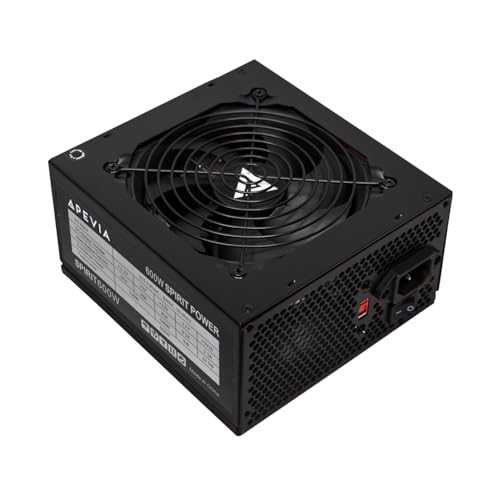
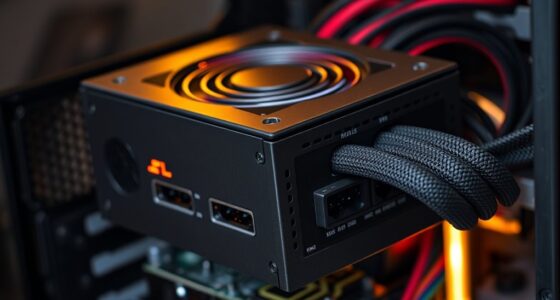
Apevia SPIRIT600W Spirit 600W ATX Power Supply with Auto-Thermally Controlled 120mm Fan, 115/230V Switch, All Protections
- Power Output: 600W with single 12V rail
- Casing: Black sandblasted finish
- CPU Compatibility: Supports multi-core CPUs
As an affiliate, we earn on qualifying purchases.
As an affiliate, we earn on qualifying purchases.
As an affiliate, we earn on qualifying purchases.