
TL;DR

Get the latest gadgets delivered free — and shop member deals
- Fast, free delivery on millions of items
- Access to Prime Big Deal Days deals on October 6–7
- Prime Video, Amazon Music and more included
Ford has rehired 350 veteran engineers, including former employees, to address shortcomings in its AI-driven quality systems. This move aims to improve product quality and reduce costs, while AI remains part of the company’s strategy.
Ford has rehired 350 veteran engineers, including former employees and staff from suppliers, after its AI and automated quality systems failed to meet the company’s standards. This move aims to improve product quality and reduce costs amid ongoing automation efforts, according to company officials.
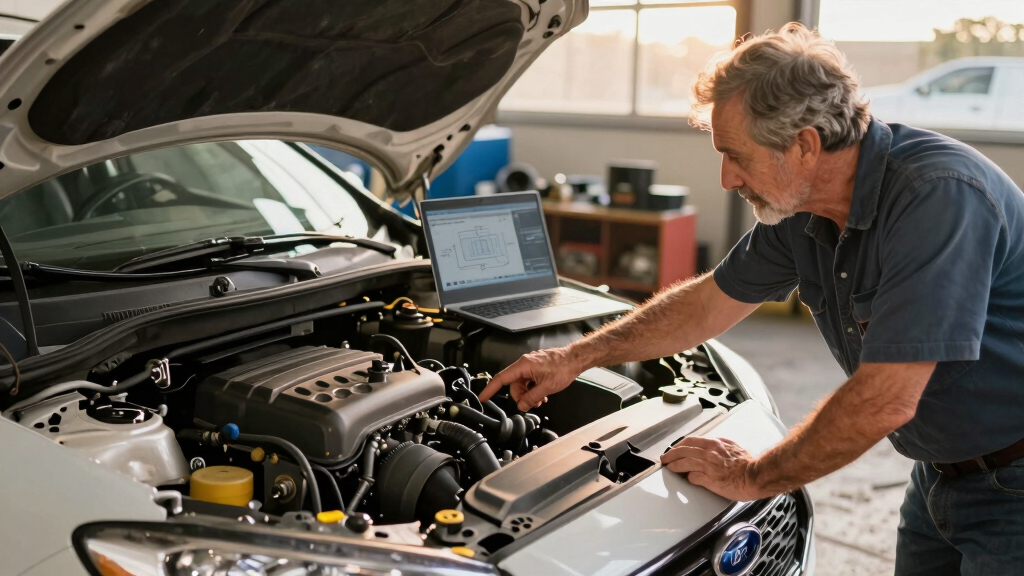
Ford executives confirmed that the automaker brought back experienced engineers, often referred to as “gray beard” engineers, to supplement its automated quality control processes. The decision follows disappointing results from relying heavily on artificial intelligence (AI) and automated systems, which did not achieve the desired quality levels.
According to Ford’s chief operating officer Kumar Galhotra, the company had been “relying more and more on automated quality systems”, but the results were unsatisfactory. Ford’s vice president of vehicle hardware engineering, Charles Poon, explained that the company initially believed that simply integrating AI with existing design data would produce high-quality products, but that proved mistaken.
While the company is increasing its human expertise, it is not abandoning AI altogether. Instead, the rehired engineers will focus on training younger staff and reprogramming AI tools. This approach appears to be paying off, with Ford projecting a $1 billion reduction in costs this year and claiming the top spot among mainstream brands in the latest JD Power Initial Quality Survey.
Implications of Rehiring Veteran Engineers for Ford’s Strategy
This move highlights a shift in Ford’s approach to quality control, emphasizing the importance of human expertise alongside automation. It suggests that AI, while promising, still requires significant human oversight and refinement. The rehire could influence broader industry practices, especially as automakers balance automation with experienced personnel to ensure quality and cost savings. For Ford, this strategy aims to restore consumer trust and improve product reliability, which are critical in a competitive market.
As an affiliate, we earn on qualifying purchases.
Background of AI Challenges in Automotive Manufacturing
Automakers have increasingly relied on AI and automation to improve manufacturing efficiency and quality control. Ford, in particular, invested heavily in AI-driven systems to streamline production and reduce human error. However, by mid-2026, reports indicated these systems were underperforming, leading to quality issues and increased costs. The decision to rehire experienced engineers reflects a recognition that AI alone cannot fully replace human judgment and expertise in complex manufacturing processes.
“We had been relying more and more on automated quality systems, but the results were disappointing.”
— Kumar Galhotra
As an affiliate, we earn on qualifying purchases.
Unanswered Questions About Long-Term Impact of Rehiring
It is not yet clear how sustainable this rehire strategy will be or how it will integrate with Ford’s ongoing AI initiatives. Details on how the veteran engineers will specifically influence AI reprogramming and quality processes remain limited. Additionally, the long-term impact on manufacturing efficiency and overall product quality has yet to be fully assessed.
As an affiliate, we earn on qualifying purchases.
Future Steps in Ford’s Quality and Automation Strategy
Ford is expected to continue integrating human expertise with AI, refining its automated systems with the help of rehired engineers. The company may also expand this approach if it proves successful in improving quality and reducing costs. Monitoring the results of this initiative over the coming months will be key to understanding its effectiveness and potential industry influence.
As an affiliate, we earn on qualifying purchases.
Key Questions
Why did Ford rehire veteran engineers?
Ford rehired 350 experienced engineers after its AI and automated systems failed to meet quality standards, aiming to improve product quality and reduce costs.
Are Ford’s AI initiatives being abandoned?
No, Ford is not abandoning AI; instead, it is supplementing automation with human expertise to better train and reprogram its AI tools.
What impact does this have on Ford’s future manufacturing?
This approach suggests a hybrid model of automation and human oversight, which could influence future manufacturing practices across the industry.
Will this strategy improve vehicle quality long-term?
It remains to be seen how effective this rehire strategy will be over time, but initial projections indicate potential improvements in quality and cost savings.
How does this affect Ford’s competitiveness?
If successful, this move could help Ford restore consumer trust, enhance quality ratings, and maintain its competitive edge in the automotive market.
Source: Hacker News
Fall Picks
fall essentials
As an affiliate, we earn on qualifying purchases.