
TL;DR

Get the latest gadgets delivered free with Prime
- Fast, free delivery on millions of items
- Prime Video, Amazon Music and more included
- Member-only deals all year
Mercedes-Benz has confirmed the start of large-scale production of its electric axial flux motors. This development could impact EV design and manufacturing strategies industry-wide.
Mercedes-Benz has begun large-scale production of its electric axial flux motors, a move that could influence electric vehicle design and industry standards. This development is confirmed by the company and signals a shift towards more efficient motor architectures in mass-market EVs, which matters for automakers, suppliers, and consumers alike.
Mercedes-Benz announced the start of mass production for its electric axial flux motors, a technology known for higher power density and efficiency compared to traditional radial flux motors. The company did not specify the exact production volume or timeline but confirmed that the motors are now being integrated into upcoming electric vehicle models.
This axial flux motor design features a compact, lightweight architecture that can deliver more power with less material, potentially reducing costs and improving vehicle range. Industry analysts see this as a strategic move that could accelerate the adoption of advanced electric drivetrains across the automotive sector.
While Mercedes-Benz has not disclosed detailed technical specifications or the production partners involved, sources close to the company suggest that this initiative aims to set a new standard for electric motor manufacturing, possibly influencing competitors and supply chains worldwide.
Impact on EV Industry and Manufacturing Strategies
This development is significant because it indicates a shift toward more efficient, compact electric motors that could lower costs and improve vehicle performance. If successful at scale, Mercedes-Benz’s axial flux motors may challenge existing motor architectures and prompt competitors to adopt similar technologies, reshaping the EV supply chain and design approaches.
Furthermore, mass production of this motor type could reduce component costs and increase vehicle range, benefiting consumers and accelerating EV adoption. The move also demonstrates Mercedes-Benz’s commitment to technological innovation, potentially influencing industry standards and regulatory expectations.
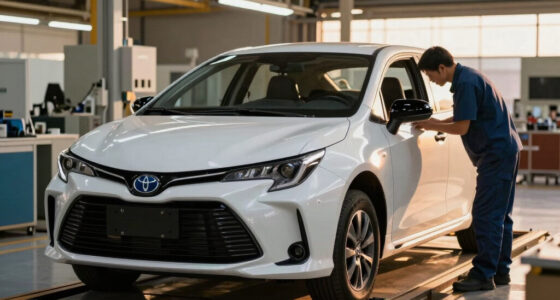
electric axial flux motor for cars
As an affiliate, we earn on qualifying purchases.
As an affiliate, we earn on qualifying purchases.
Recent Advances in Electric Motor Technologies
Electric vehicle manufacturers have been exploring various motor architectures to improve efficiency, reduce costs, and enhance performance. Axial flux motors, which have been in development for several years, are gaining attention due to their high power density and compact size.
Previous prototypes and limited production runs have demonstrated the potential advantages of axial flux designs, but scaling to mass production has been challenging due to manufacturing complexities. Mercedes-Benz’s announcement suggests that these technical hurdles are now being addressed, marking a significant milestone in EV motor development.
This move aligns with broader industry trends toward innovative electric drivetrains, including advancements in inverter technology, battery integration, and system integration for better overall vehicle performance.
“We are proud to announce the start of large-scale production of our electric axial flux motors, which will play a key role in our future EV lineup.”
— Mercedes-Benz spokesperson
As an affiliate, we earn on qualifying purchases.
Technical and Market Uncertainties
It is not yet clear how quickly Mercedes-Benz will scale production or the specific models that will feature these motors. Details about the manufacturing process, supply chain implications, and the performance metrics of the motors remain undisclosed. Additionally, the broader industry response and adoption rate of axial flux motors are still uncertain, as competitors may pursue different technological paths.
As an affiliate, we earn on qualifying purchases.
Next Steps in Development and Industry Adoption
Mercedes-Benz is expected to integrate these axial flux motors into upcoming electric vehicle models over the next 12 to 24 months. Industry observers will watch for technical performance data, production volumes, and how competitors respond. Further technical disclosures and strategic announcements are anticipated as the company advances this technology from pilot production to full-scale manufacturing.
As an affiliate, we earn on qualifying purchases.
Key Questions
What are axial flux motors and how do they differ from traditional motors?
Axial flux motors are a type of electric motor with a compact, flat design where magnetic flux flows parallel to the axis of rotation, offering higher power density and efficiency compared to radial flux motors.
Why is Mercedes-Benz focusing on axial flux motor technology?
The technology promises lighter, smaller motors with greater efficiency, which can improve vehicle range, reduce costs, and enable more flexible vehicle design.
When will Mercedes-Benz start deploying these motors in production vehicles?
The company has not provided specific timelines, but industry sources suggest integration could begin within the next 12 to 24 months.
Will this technology be adopted by other automakers?
It is possible, as axial flux motors are gaining industry interest, but adoption depends on manufacturing scalability, cost, and performance outcomes.
What impact could this have on EV prices and performance?
If scaled successfully, axial flux motors could lower costs and improve vehicle range, potentially making EVs more affordable and appealing to consumers.
Source: IdeaNavigator AI
Fall Picks
fall essentials
As an affiliate, we earn on qualifying purchases.