📊 Full opportunity report: Optimizing Helpdesk Platform Changeovers With Workflow Cloner on IdeaNavigator AI — validation score, market gap, and execution plan.
TL;DR
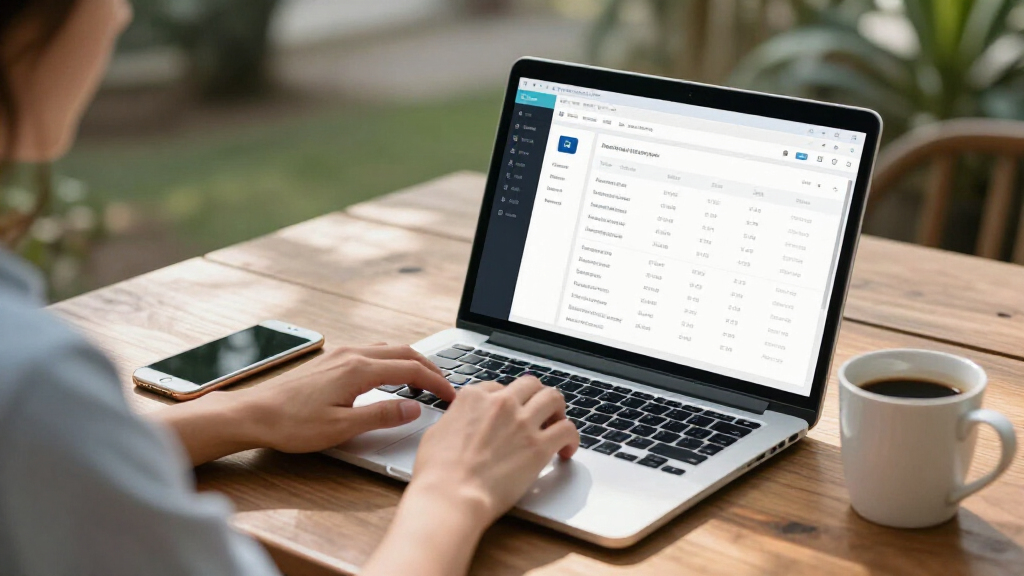
A prototype workflow cloner is being tested to help support operations migrate between helpdesk platforms like Zendesk and Freshdesk. It automates exporting, translating, and applying macros, rules, and SLAs, reducing manual effort and migration time. Validation involves real-world tests and potential vendor funding.
A new workflow cloner for helpdesk platform switches is currently being tested by support operations teams to automate the migration of complex workflows between platforms such as Zendesk, Intercom, and Freshdesk. This development aims to significantly reduce the months-long manual effort typically involved in rebuilding macros, routing rules, SLAs, and automations during migrations, addressing a long-standing industry challenge. The tool, developed by IdeaNavigator AI, connects to the source helpdesk, exports all workflow configurations, translates them into the target platform’s format, and applies them via API, with an exceptions report for logic requiring human review.
The core innovation lies in the tool’s ability to leverage AI to interpret and translate workflow configurations across different helpdesk paradigms. Traditionally, migrating support workflows involves manually recreating hundreds of macros, triggers, and SLAs, a process that can take months and introduces significant risk of errors. The new prototype aims to automate this process by exporting all relevant configurations from the source platform, translating each into the target platform’s equivalent, and deploying them automatically. During initial testing, support operations leads are focusing on migrating workflows for five real helpdesk projects to measure the reduction in manual hours and evaluate the accuracy of the translation process.
According to an anonymous researcher involved in the project, the tool’s translation capability is powered by advanced language models that understand the logic behind workflow rules, not just field mappings. This enables the system to handle complex automations and exceptions, which are often the most challenging parts of migration. The prototype also generates an exceptions report, flagging logic that cannot be automatically translated and requires human intervention. The project is exploring revenue models based on per-migration project fees, with potential partnerships with helpdesk vendors as a way to subsidize the switching process and encourage platform adoption.
Potential Impact on Helpdesk Migration Efficiency
This development could transform how support teams approach platform migrations by drastically reducing the time and effort required to move workflows. Currently, manual rebuilding of macros, routing rules, and SLAs can extend over several months, especially for large organizations with complex automations. Automating this process with a reliable translation tool not only accelerates migration timelines but also minimizes human error, leading to more consistent support operations post-migration. For vendors and support ops leads, this could lower switching costs, foster platform competition, and accelerate the adoption of AI-enabled support tools. Ultimately, the ability to quickly and accurately migrate workflows could make switching platforms less daunting and more strategic for organizations seeking better support solutions.
helpdesk workflow automation tools
As an affiliate, we earn on qualifying purchases.
As an affiliate, we earn on qualifying purchases.
Industry Challenges and Recent Trends in Helpdesk Migrations
Helpdesk platform migrations have historically been resource-intensive, with support teams spending months manually recreating workflows, automations, and routing rules. Platforms like Zendesk, Intercom, and Freshdesk each have their own configuration paradigms, making cross-platform migration complex. In recent years, support operations have faced increasing pressure to switch to newer, more flexible, or more cost-effective platforms, but the migration barrier has often limited these transitions. The advent of AI and language models has opened new possibilities for automating complex configuration translations, with companies exploring tools that can interpret and replicate workflows automatically. This shift is driven by the broader trend toward AI-native customer support solutions, which promise to reduce operational costs and improve service agility.
helpdesk platform migration software
As an affiliate, we earn on qualifying purchases.
As an affiliate, we earn on qualifying purchases.
Unanswered Questions About Translation Accuracy and Adoption
It is not yet clear how accurately the prototype can translate complex workflows, especially those with highly customized automations and exception logic. The initial tests involve a limited number of projects, and the long-term reliability across diverse use cases remains unproven. Additionally, questions remain about how vendors and support teams will adopt and integrate this tool into existing workflows, and whether the translation process will require ongoing human oversight. The potential for unforeseen errors or translation gaps could influence the speed and scale of adoption.
helpdesk macros and rules export tool
As an affiliate, we earn on qualifying purchases.
As an affiliate, we earn on qualifying purchases.
Next Steps for Validation and Market Adoption
The project team plans to complete the initial testing phase by the end of the quarter, analyzing how much manual work is saved and assessing translation accuracy. They aim to expand testing to include more organizations and helpdesk platforms. Concurrently, discussions with potential vendor partners are underway to explore funding and integration opportunities. If successful, the team expects to develop a commercial version of the tool, offering it as a service for support operations seeking to switch platforms more efficiently. Further validation will involve real-world migrations, measuring time savings, error rates, and user satisfaction post-migration.
helpdesk automation translation software
As an affiliate, we earn on qualifying purchases.
As an affiliate, we earn on qualifying purchases.
Key Questions
How does the workflow cloner work?
The tool connects to the source helpdesk, exports all workflow configurations such as macros, triggers, SLAs, and routing rules, then uses AI to translate these into the target platform’s format and applies them via API. It generates an exceptions report for manual review where needed.
What platforms does it support?
The initial focus is on helpdesk platforms like Zendesk, Intercom, and Freshdesk, with plans to expand support based on demand and feedback from early tests.
Can it handle complex automations and custom logic?
The prototype is designed to interpret complex workflows, including automations with exceptions, but the accuracy of translation in highly customized setups is still being evaluated.
Will this reduce migration costs?
Yes, initial estimates suggest it can significantly cut manual hours required, potentially reducing migration timelines from months to weeks or days, depending on complexity.
When will this be commercially available?
A full commercial version is not yet available; further testing and validation are planned over the coming months, with potential market release contingent on successful validation.
Source: IdeaNavigator AI