
TL;DR

Get the latest gadgets delivered free — and shop member deals
- Fast, free delivery on millions of items
- Access to Prime Big Deal Days deals on October 6–7
- Prime Video, Amazon Music and more included
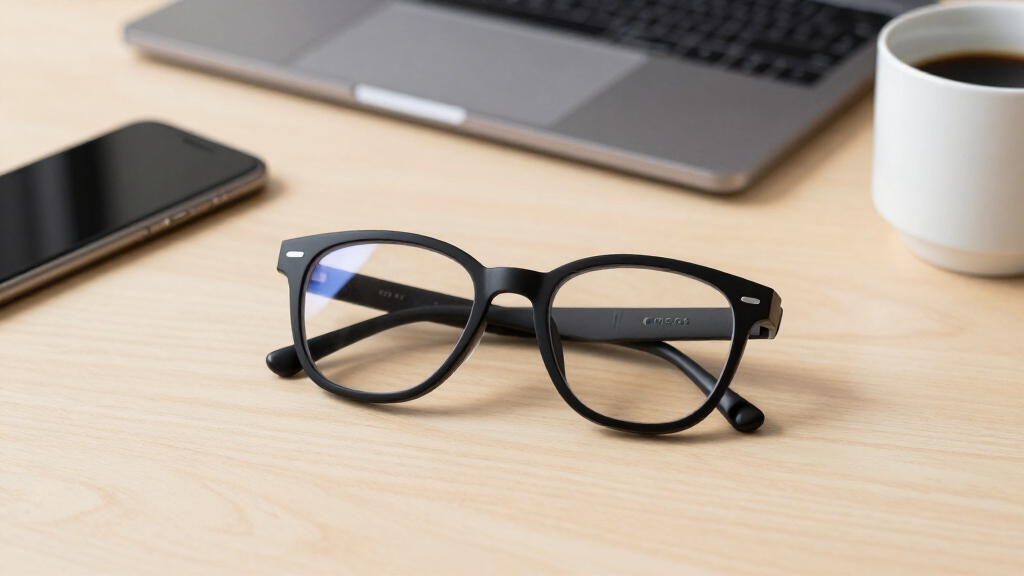
Meta has released new smart glasses, prompting privacy concerns due to data collection and limited user controls. The development has attracted public and regulatory attention.
Meta’s new smart glasses have been released to the public, but they are already drawing privacy concerns from users and privacy advocates. The devices, which incorporate cameras and sensors, collect data that could be used without explicit user consent, raising questions about privacy protections and data security.
According to reports from bluesky, Meta’s smart glasses feature integrated cameras, microphones, and sensors that record user activity and surroundings. AI smart glasses are an emerging technology in this space. While Meta has stated that data collection is limited to improve user experience, critics argue that the devices lack clear controls for users to manage what data is collected and how it is used. Privacy advocates warn that such devices could enable covert recording, infringing on personal privacy and public spaces.
Meta has not yet provided detailed privacy policies specific to the glasses, and regulatory bodies are beginning to scrutinize the device. Several privacy experts have expressed concern that the glasses could facilitate surveillance or data breaches if not properly regulated.
Privacy watch / wearable technology
Meta Smart Glasses Raise Privacy Concerns
TL;DR: Meta’s newly released smart glasses combine cameras, microphones, sensors and AI-enabled features. Critics say unclear data practices and limited user controls create risks for wearers—and everyone around them.
What the glasses can capture
Smart glasses move recording technology from a visible handheld device to an always-worn form factor. That shift makes data collection more ambient, less obvious and potentially harder for both users and bystanders to control.
Integrated cameras
Cameras can document people, places and activities from the wearer’s point of view, increasing concern about covert or unnoticed recording.
Built-in microphones
Microphones may capture conversations and contextual audio, including speech from people who have not actively consented.
Activity sensors
Sensor signals can reveal patterns about movement, surroundings and use—information that becomes more sensitive when combined.
Concern intensity
Still unclear
Capability is visible. Governance is not.
Meta says collection is limited and intended to improve the user experience. Critics argue that detailed, glasses-specific policies and comprehensive controls have not yet been made sufficiently clear.
| Privacy dimension | What is known | Current clarity | Why it matters |
|---|---|---|---|
| Camera capability | Integrated visual recording | ✓ Confirmed | Can capture people and surroundings |
| Microphone capability | Integrated audio capture | ✓ Confirmed | May record nearby conversations |
| User collection controls | Comprehensive options not detailed | ~ Unclear | Wearers need meaningful choice |
| Bystander consent | No universal consent mechanism described | ✗ Gap | Non-users can enter the capture zone |
| Storage and retention | Specific details still emerging | ~ Unclear | Retention affects exposure and breach risk |
| Regulatory treatment | Review is expected across jurisdictions | ~ Pending | Rules may differ across the EU and US states |
Assessment reflects the information described in the source material; independent reviews remain pending.
How a wearable becomes a privacy system
The privacy question extends beyond the moment of capture. Each step—from sensing to storage and reuse—adds another decision point where safeguards, transparency and accountability are needed.
Wear
A connected camera and microphone enter daily life.
Capture
Visual, audio and contextual signals are collected.
Interpret
Software and AI may analyze activity and surroundings.
Store
Retention, security and access rules become critical.
Govern
Policies, laws and enforcement shape acceptable use.
“The lack of clear user controls over data collection raises serious privacy concerns.”
Privacy advocate position“We are committed to protecting user privacy and meeting relevant privacy standards.”
Meta spokesperson positionThe launch begins the accountability phase
Public adoption will test social norms around wearable recording. Regulators, independent assessors and users will determine whether current safeguards are adequate—or whether stronger controls are required.
Public launch
Real-world use expands the number of wearers and bystanders affected.
User feedback
Consumers test whether notices and controls feel understandable and practical.
Regulatory review
Privacy and data-protection authorities may examine compliance.
Policy updates
Meta may clarify data practices or strengthen product safeguards.
Can users control collection?
Comprehensive controls have not yet been clearly detailed in the available information.
Can the glasses record covertly?
Their cameras and sensors create that potential, which is a central concern raised by critics.
Has Meta responded?
Meta has expressed a commitment to privacy, but detailed glasses-specific policies remain a key request.
Which regulations may apply?
Privacy and data-protection regimes—particularly in the EU and stricter US states—may shape oversight.
What should observers monitor?
Watch for official data policies, retention details, consent mechanisms, independent assessments, regulator findings and product updates. These signals will reveal whether the safeguards match the reach of the technology.
Shopping for wearables?
✓ Vetted by the techtrendtrove.com teamImplications for Privacy and User Control
This development is significant because it highlights ongoing tensions between technological innovation and privacy rights. The widespread adoption of smart glasses with recording capabilities could set a precedent for increased surveillance and data collection in public and private spaces. For consumers, the lack of transparent controls raises concerns about consent and data security, potentially leading to broader regulatory responses.
privacy screen protector for smart glasses
As an affiliate, we earn on qualifying purchases.
As an affiliate, we earn on qualifying purchases.
Meta’s Entry into Wearable Tech and Privacy Debates
Meta has been expanding its portfolio of wearable devices, including smart glasses, as part of its broader strategy to integrate augmented reality and virtual reality into daily life. Previous developments in wearable tech have often sparked privacy debates, especially regarding data collection and user consent. The recent launch of Meta’s glasses intensifies these discussions, especially as similar devices face regulatory scrutiny in various jurisdictions.
While Meta has emphasized the potential benefits of the glasses for enhanced communication and augmented reality experiences, critics point out the risks associated with pervasive data collection and lack of user controls. The company has yet to clarify how it will address these privacy concerns moving forward.
“The lack of clear user controls over data collection in Meta’s smart glasses raises serious privacy concerns, especially regarding covert recording and surveillance.”
— an anonymous privacy advocate
As an affiliate, we earn on qualifying purchases.
Unclear Details About Data Management and Regulations
It remains unclear how Meta will implement privacy controls for the glasses or how regulators will respond. Details about data storage, user consent mechanisms, and compliance with privacy laws are still emerging, and independent assessments are pending.
As an affiliate, we earn on qualifying purchases.
Regulatory Review and User Feedback Expected Soon
Regulatory agencies are likely to examine the device’s privacy implications in the coming months. Meta may also release updates or policies to address concerns, and user feedback will influence future developments. Monitoring these responses will be key to understanding the device’s long-term privacy impact.
wearable privacy protection accessories
As an affiliate, we earn on qualifying purchases.
As an affiliate, we earn on qualifying purchases.
Key Questions
Can users control what data the glasses collect?
It is not yet clear whether Meta has provided comprehensive controls for users to manage data collection on the glasses, as details are still emerging.
Are the glasses capable of covert recording?
Yes, the devices include cameras and sensors that could potentially be used for covert recording, raising privacy concerns among critics.
Has Meta responded to privacy concerns?
Meta has stated its commitment to privacy but has not yet provided detailed policies or controls specific to the glasses’ data collection features.
What regulations might affect the glasses?
Regulatory scrutiny is expected from authorities concerned with privacy and data protection, particularly in regions with strict laws like the EU and certain US states.
When will more information about privacy protections be available?
Further details are anticipated as Meta releases official policies and as regulatory reviews progress, likely within the next few months.
Source: bluesky
Fall Picks
fall essentials
As an affiliate, we earn on qualifying purchases.