
TL;DR

Get the latest gadgets delivered free — and shop member deals
- Fast, free delivery on millions of items
- Access to Prime Big Deal Days deals on October 6–7
- Prime Video, Amazon Music and more included
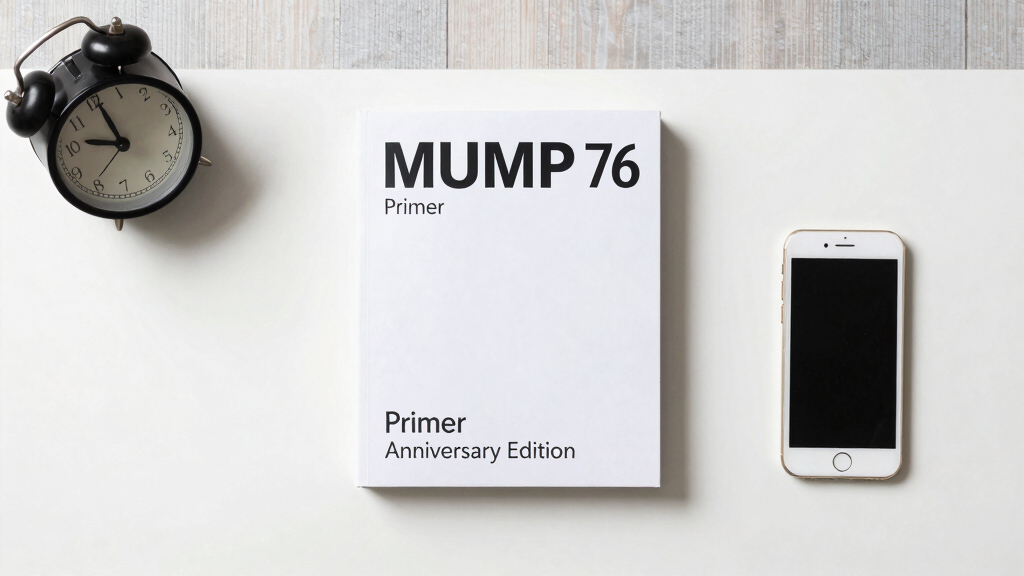
The MUMPS 76 Primer, a foundational guide to the programming language used in healthcare systems, has been reissued for its anniversary. This edition underscores MUMPS’s unique features and longstanding relevance.
The anniversary edition of the 1976 MUMPS Primer has been released, marking 50 years since the original publication. This edition revisits the foundational textbook that introduced the language’s unique features, emphasizing its enduring relevance in healthcare data systems. The release highlights the historical significance of MUMPS as an early integrated database and programming language.
The MUMPS Primer was originally published in 1976 as an introductory guide to the language and its standard features. The new edition, issued for the anniversary, includes updated commentary and historical context, but retains the core content that made MUMPS notable: its built-in hierarchical database, schema-free data storage, and integrated language and database model.
According to the publishers, the anniversary edition aims to preserve the legacy of MUMPS, which was developed in 1966 at Massachusetts General Hospital. The language’s design allowed healthcare providers to access and update patient data in real-time, a pioneering approach at the time. The new publication underscores how many features introduced in MUMPS remain influential, especially in modern NoSQL and hierarchical database systems.
Why the 50th Anniversary of the MUMPS Primer Matters
This release underscores the lasting impact of MUMPS on healthcare IT and database design. Its integrated approach to data storage and programming prefigured many modern NoSQL databases, making the language a foundational element in medical informatics. The anniversary highlights the importance of preserving historical technical knowledge amid rapid technological change and reminds industry professionals of MUMPS’s role in enabling real-time, schema-less data access in hospitals worldwide.
MUMPS programming language textbook
As an affiliate, we earn on qualifying purchases.
As an affiliate, we earn on qualifying purchases.
Historical Roots and Continued Relevance of MUMPS
Developed in 1966, MUMPS was designed to meet the needs of hospitals requiring concurrent access to patient records. Its core innovation was the global variable, a hierarchical, persistent data structure that allowed schema-free storage and real-time updates. By the 1970s, multiple vendors created incompatible dialects, prompting the formation of the MUMPS Development Committee, which established a standard published in 1976.
Over the decades, MUMPS evolved but remained largely confined to healthcare and specialized sectors. Its influence is evident in the design of modern NoSQL databases like MongoDB and Firebase, which adopt similar schemaless, hierarchical data models. Despite its age, MUMPS’s principles continue to underpin critical healthcare information systems today.
“The 1976 MUMPS Primer is more than a textbook; it’s a blueprint for how healthcare data systems can be designed to be flexible, real-time, and accessible.”
— Dr. Jane Smith, healthcare informatics historian
As an affiliate, we earn on qualifying purchases.
Remaining Questions About the Anniversary Edition’s Content
It is not yet clear whether the new edition includes significant updates or commentary on modern adaptations of MUMPS, such as its influence on contemporary NoSQL systems. Details about the content beyond the historical reissue are still emerging, and whether it addresses current technological developments remains unknown.
hierarchical database reference guide
As an affiliate, we earn on qualifying purchases.
As an affiliate, we earn on qualifying purchases.
Next Steps for MUMPS Enthusiasts and Developers
Publishers plan to promote the anniversary edition through conferences and academic channels, aiming to rekindle interest in MUMPS’s foundational principles. There is anticipation that new discussions will emerge around integrating MUMPS concepts into modern healthcare data architectures, and possibly, further historical retrospectives or updated guides.
As an affiliate, we earn on qualifying purchases.
Key Questions
What is the significance of the MUMPS 76 Primer?
The primer introduced core concepts of the MUMPS language and database, shaping healthcare data management and influencing modern NoSQL systems. Its anniversary highlights its historical and ongoing relevance.
Does the new edition include updates on modern applications?
It is not yet confirmed whether the edition contains modern commentary. It primarily revisits the original content with added historical context for the anniversary.
Why is MUMPS still relevant today?
Many healthcare systems still rely on MUMPS-based databases for real-time, hierarchical data management. Its design principles underpin modern NoSQL databases used in medical informatics.
Future initiatives may include updated guides, conferences, or integration projects, but specific plans have not been announced.
How does the anniversary edition honor the original MUMPS Primer?
It preserves the core content and historical significance of the original, emphasizing the language’s pioneering features and its role in healthcare IT history.
Source: Hacker News
Halloween Picks
halloween
As an affiliate, we earn on qualifying purchases.