🔍 Read the full analysis: A Simple Approach To Choosing AI-Powered Home Devices on ThorstenMeyerAI.com

Get the latest gadgets delivered free with Prime
- Fast, free delivery on millions of items
- Prime Video, Amazon Music and more included
- Member-only deals all year
TL;DR
ThorstenMeyerAI.com has published a beginner guide to selecting and setting up a small group of AI-powered home devices, such as a speaker, light, thermostat or plug. It recommends checking compatibility, securing accounts, reviewing data settings and testing a low-risk automation before connecting equipment that could affect safety or access.
ThorstenMeyerAI.com has published a beginner guide to choosing and setting up AI-powered home devices, with instructions for connecting a small system to a phone and home Wi-Fi, as detailed in the original analysis. The guide urges readers to check device and platform compatibility, protect their accounts and review privacy settings before enabling voice, sensor or cloud-based features.
The guide is aimed at people setting up devices such as a smart speaker, lights, thermostat or plug. It estimates setup will take 45 to 90 minutes, depending on the number of devices and whether apps require updates. Readers need a smartphone or tablet, the official manufacturer app, compatible devices, a Wi-Fi network and its password, and access to the relevant platform account.
Before buying, the guide advises checking each model’s platform, hub, Wi-Fi-band and regional requirements. Some devices require a particular hub or a 2.4 GHz network. It also cautions that voice control does not necessarily mean a device supports every routine or AI feature offered by a platform, a consideration also covered in guidance on Matter and Thread smart home devices.
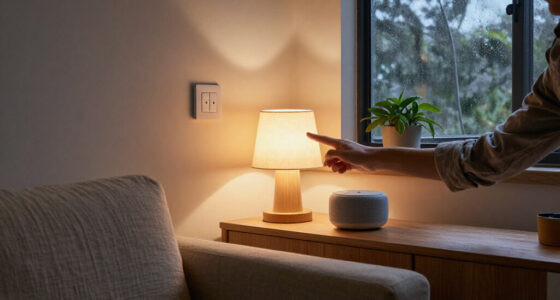
For setup, the guide recommends starting with a low-risk device, such as a lamp, then installing the official app, updating device firmware, connecting the device and giving it a distinct name and room assignment. It advises using a unique account password and multifactor authentication when available, and reviewing settings for voice recordings, activity history, data sharing and cloud processing—issues also discussed in guidance on smart home devices that work without the internet. The source says the steps are general guidance; setup details vary by device and manufacturer.
Safer Choices Before Smart Setup
The advice matters because home devices can collect information about household activity or control equipment with practical safety implications. A voice assistant, camera, thermostat or connected plug may handle different kinds of data and offer different privacy controls. The guide says some AI features process commands locally, while others send voice, sensor or usage data to a cloud service; buyers should check how their chosen model works rather than assume all devices behave alike.
Starting with a lamp also limits the consequences of a setup mistake. The source advises against beginning with locks, alarms, heaters or other equipment affecting safety or access. It tells users to follow manufacturers’ electrical instructions and not modify wiring or attempt installations that require a qualified electrician. These precautions make the selection process relevant beyond convenience: the device, network and installation method need to fit the home and the user’s abilities.
The guide also includes product recommendations, but presents them as the publisher’s verdicts rather than independent test findings. It favors Hubitat when local, multi-protocol automation and subscription-free AI-assisted routine building are priorities; SwitchBot for camera-aware chat-based control and bundled storage, subject to subscription and device limits; and Green as a local automation base for buyers who do not prioritize built-in AI. The source notes that it earns commissions on qualifying Amazon purchases, a commercial relationship readers may want to factor into those recommendations.
Products Worth Considering

LG UltraGear 34G600A-B 34-Inch Curved WQHD Gaming Monitor

LG UltraGear 34-Inch Curved QHD Gaming Monitor, 160Hz, FreeSync Premium

LG 27GS60QC-B Ultragear 27-inch Curved Gaming Monitor (QHD, 180Hz, 1ms, 1000R)
As an affiliate, we earn on qualifying purchases.
A Small System, Step by Step
The article treats a home automation setup as a series of checks rather than a single purchase. Readers are asked to choose one task, confirm the device supports the intended assistant or platform, and check for extra requirements such as a hub or subscription. They then pair the device through the manufacturer’s app, connect it to the specified network and confirm it appears online.
After connection, the guide advises assigning a clear device name and room so that voice commands and routines can identify the right equipment. It also recommends limiting account permissions to household members who need them and checking whether cameras or microphones have physical controls as well as app settings. These steps are presented as general beginner guidance, not as a guarantee of compatibility or security for every product.
“We recommend Hubitat as the best overall choice when local, multi-protocol automation and subscription-free AI-assisted routine building matter more than beginner-friendly setup.”
— ThorstenMeyerAI.com
Compatibility and Privacy Details Vary
The source does not provide a publication date, test results, prices, product model numbers or a detailed method for comparing its three recommendations. It is not clear from the material how the products’ AI features perform across different homes, which subscriptions are required for particular functions, or how their data practices compare. Buyers should confirm current terms and specifications with manufacturers before purchasing.
Device compatibility also depends on the exact model, platform, hub, Wi-Fi band and region. The guide does not identify a single network setup that will work for every product. It warns users not to use an app or account they cannot verify as the manufacturer’s official service, but the material does not evaluate specific apps or provide device-by-device security assessments.
Check Requirements Before Pairing
The guide’s practical next step for readers is to choose one low-risk task and confirm the exact device requirements on its packaging or product page before setup. Users can then follow the manufacturer’s instructions, update the app and device, connect through the required Wi-Fi band or hub, and test that the device responds as expected.
Before adding more devices or enabling AI features, readers should review account access, privacy settings and any subscription terms. The source does not announce a follow-up report or product-testing milestone. Further decisions depend on the buyer’s household needs and the specifications and policies of the selected devices.
Key Questions
How long does setup take?
The guide estimates 45 to 90 minutes, depending on how many devices are added and whether apps need updates.
What should I check before buying a smart home device?
Check whether the exact model supports your chosen platform and region, and whether it needs a hub, a specific Wi-Fi band or a subscription. Confirm which voice, routine or AI features the model supports.
Is it safe to begin with a thermostat or smart lock?
The guide recommends starting with a low-risk device such as a lamp, rather than equipment that could affect safety or access. Follow manufacturer instructions and use a qualified electrician when an installation requires one.
What privacy settings should I review?
Check settings for voice recordings, activity history, data sharing and cloud processing. For cameras and microphones, find out when they are active and how to pause them; also check for physical controls.
Are the guide’s product recommendations independent test results?
The source presents Hubitat, SwitchBot and Green as its editorial verdicts, but the supplied material does not include a testing method or comparative results. It also discloses that the publisher earns commissions on qualifying Amazon purchases.
Source: ThorstenMeyerAI.com