
🔍 Read the full analysis: How To Speed Up Tax Workbook Tasks With GPT-6 Astra: Basis’s Example on ThorstenMeyerAI.com

Get the latest gadgets delivered free — and shop member deals
- Fast, free delivery on millions of items
- Access to Prime Big Deal Days deals on October 6–7
- Prime Video, Amazon Music and more included
TL;DR
OpenAI says Basis used GPT-6 Astra to complete a tax workbook in half the time previously required. The result is a vendor-reported case study; the public account does not specify the baseline, sample size, comparison method or accuracy results.
OpenAI says accounting technology firm Basis completed a tax workbook twice as fast using GPT-6 Astra, presenting the work as an example of AI applied to a structured accounting task. The figure is OpenAI’s own characterization; the published account, as described in the source material, does not provide enough measurement detail to establish how broadly the result applies.
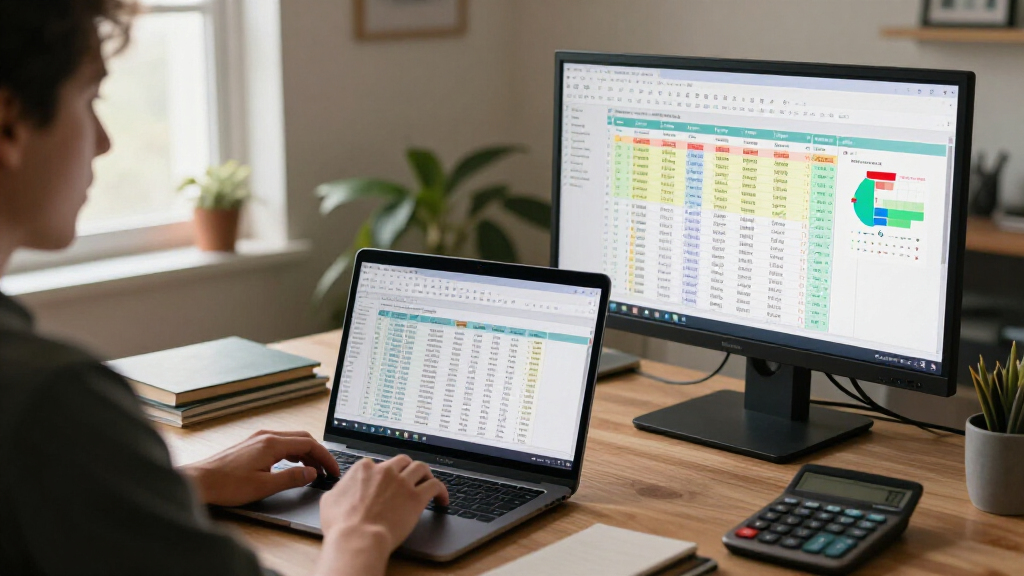
The disclosed result is a speed comparison: Basis finished a tax workbook in half the time previously required, according to OpenAI. A tax workbook is a structured document used in accounting work to organize items such as workpapers, trial balances and adjustment entries. The account does not give the actual time taken before or after the tool was used.
OpenAI’s case study places GPT-6 Astra in a professional accounting workflow, rather than describing only a general-purpose use such as drafting or summarizing text. The source material identifies Basis as an accounting technology firm, but does not describe which parts of workbook preparation the model performed, what work remained with staff, or how the result was reviewed.
The reported multiplier is not an independently audited benchmark in the material provided. OpenAI has not disclosed the number or complexity of workbooks in the comparison, whether the result came from one engagement or multiple engagements, or how the earlier completion time was established. Those omissions limit what can be inferred from the headline figure.
What Faster Workbook Preparation Could Change
Tax workbook preparation can take substantial staff time, particularly when firms face seasonal filing deadlines. If a comparable speed improvement held across a firm’s work, it could shorten client turnaround or free staff to spend more time on review and advisory work. Those are possible implications, not outcomes established by the case study.
The result also speaks to the adoption of AI in structured professional work. Accounting tasks involve records that need to be consistent and reviewable, and tax work can carry financial and compliance consequences. A model that helps prepare these materials could have practical value, but speed alone does not show whether the work is dependable.
For firms weighing similar tools, the central question is whether a faster process preserves accuracy, traceability and review quality. The material supplied does not report error rates, reviewer findings or rework. Without those measures, the 2x claim offers a productivity signal but not a complete account of the workflow’s performance.
Top picks for "workbook task astra"
As an affiliate, we earn on qualifying purchases.
Basis and AI in Tax Work
Basis builds technology for accounting workflows, according to the source material. Tax workbooks connect accounting records and adjustments to tax preparation and must be suitable for professional review. Their structure makes them a distinct test of AI assistance: completing a document quickly matters only if its contents can be checked and relied on.
OpenAI has published customer stories to describe how its models are used in specific business tasks. Such accounts can show where companies are experimenting or deploying AI, while their evidentiary value depends on the details disclosed. In this case, the public claim centers on completion speed, with no stated sample, controlled comparison or accuracy measure in the supplied material.
The broader accounting sector has explored automation in tax and audit workflows. Results can depend on the engagement, the data available and how software fits into existing review processes. That context makes it risky to generalize from one customer example to a typical firm’s workload.
How the Speed Result Was Measured
The account leaves the comparison baseline and scope unspecified. It does not state how long workbook completion took before GPT-6 Astra, how many workbooks were assessed, or whether the comparison used the same staff, inputs and review steps. The source material also does not provide a publication date for the case study.
It is also unclear whether accuracy or review effort changed. The announcement, as summarized in the provided material, does not report error rates, corrections, reviewer findings or rework. Since tax documents need to withstand scrutiny, a time saving without quality information cannot establish that the overall process improved.
Finally, the available details do not show how well the result would generalize across different clients, jurisdictions or levels of workbook complexity. A result from one workflow may not reflect the range of work handled by accounting firms. OpenAI’s reported figure should therefore be read as a customer-story claim with limited disclosed methodology.
Details Needed to Test the Claim
More information from OpenAI and Basis could clarify the result: the baseline time, sample size, workbook complexity, comparison process and quality checks. Those details would help readers judge whether the reported improvement describes a single engagement or a repeatable outcome across the firm’s workflow.
Independent evaluation would add another useful check, especially if practitioners assessed both completion time and review results on comparable work. Until such evidence or fuller methods are available, firms considering the approach will need to assess it against their own tasks and standards. No further disclosure or independent replication is described in the supplied source material.
Key Questions
What did OpenAI report about Basis?
OpenAI said Basis completed a tax workbook twice as fast using GPT-6 Astra. The figure is OpenAI’s reported result.
Was the result independently verified?
The supplied material does not describe an independent verification. It presents the result as a claim in an OpenAI customer case study.
Did OpenAI report whether the workbook was accurate?
The material does not provide error rates, review findings or rework figures, so it does not establish whether accuracy was maintained.
Does the 2x result apply to other accounting firms?
The disclosed information does not establish that. The sample size, workbook mix and comparison method are not specified in the source material.
Primary source: OpenAI · via ThorstenMeyerAI.com
Evergreen bestsellers Picks
bestsellers
As an affiliate, we earn on qualifying purchases.