TL;DR
The Flipper One team is developing a highly open, Linux-based hardware platform with ambitious goals, including full mainline Linux support and no proprietary blobs. They are seeking community help to achieve these goals amid technical and logistical challenges.
The team behind Flipper One has publicly called for community help to complete the development of their open Linux hardware platform, citing significant technical hurdles and a desire for transparency. This marks a critical step in their effort to create a fully open ARM computer that supports mainline Linux and eliminates proprietary components.
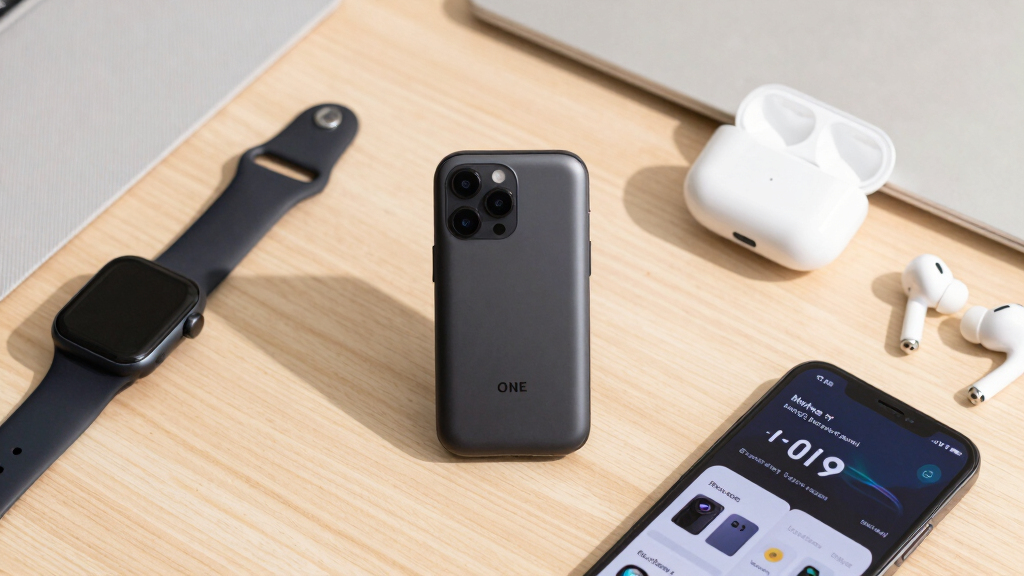
The Flipper One project is an open hardware platform designed to run Linux with full mainline kernel support, aiming to replace closed-source vendor firmware and drivers. It is not an upgrade to Flipper Zero but a separate device intended for advanced users, developers, and researchers. It is not an upgrade to Flipper Zero but a separate device intended for advanced users, developers, and researchers. The device features multiple high-speed interfaces, including PCIe, USB 3.0, SATA, Gigabit Ethernet, Wi-Fi 6E, and optional 5G connectivity, making it suitable for applications like network analysis, SDR, and local AI processing.
The project has partnered with Collabora to push support for the Rockchip RK3576 SoC into the mainline Linux kernel, a crucial step toward a fully open system. For more details, see the Flipper One Tech Specs. While much of the hardware support is in place, the team reports that some binary blobs remain, particularly for early boot components like the DDR trainer. They are actively seeking community contributions to help eliminate these blobs, improve power management, and support accelerators such as the NPU and hardware video decoding. The team has also launched the Flipper One Developer Portal, where they share task trackers, discussions, and unfinished documentation, emphasizing transparency and collaborative development.
Why It Matters
This initiative matters because it aims to set a new standard for open hardware and software in ARM Linux devices, challenging the current closed and fragmented ecosystem. Achieving a fully open, well-documented platform could benefit developers, educators, and security researchers by providing a versatile, transparent device for experimentation and learning. It also pushes vendors to reconsider proprietary practices, potentially influencing broader industry standards for open-source hardware support.
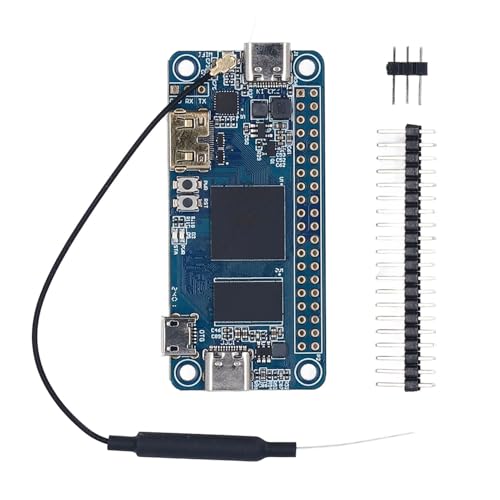
Quad Core ARM Development Board Open Source Programming Learning Module LCPI H3 Zero with Allwinner H3 Processor for Linux Android Programming and Project Development
- Powerful Quad-Core Processor: Allwinner H3 Cortex A7 for high performance
- 4K Video Decoding: Supports H.265/HEVC at 30fps
- High-Performance Graphics: ARM Mali400MP2 GPU with OpenGL ES2.0
As an affiliate, we earn on qualifying purchases.
As an affiliate, we earn on qualifying purchases.
Background
The project has been in development for several years, with previous iterations focusing on different hardware and goals. The current effort to create Flipper One is driven by frustrations with the closed nature of existing ARM Linux support, which often involves vendor-specific patches and blobs that hinder transparency and portability. The partnership with Collabora to bring RK3576 support into the mainline kernel is a key milestone, building on ongoing industry efforts to improve open-source support for ARM devices. Learn more about the hardware specifications in the bestcadpapers.com article. The call for community involvement reflects a broader movement toward open hardware and collaborative development in the tech community. You can also explore related news on 1023 Jack.
“We believe this is the only way to make a truly meaningful contribution to the open-source community and to education.”
— Flipper One Team
“Support for the RK3576 in the mainline Linux kernel is progressing well, but community help is essential to eliminate remaining binary blobs.”
— Collabora representative
HP 800 G3 Mini High Performance Desktop Intel i7-6700 up to 4.0GHz 32GB DDR4 New 1TB NVMe M.2 SSD WiFi BT Wirless Keyboard & Mouse Win 11 Pro (Renewed)
- Memory: 32GB DDR4 RAM
- Storage: 1TB NVMe M.2 SSD
- Operating System: Windows 11 Pro
As an affiliate, we earn on qualifying purchases.
As an affiliate, we earn on qualifying purchases.
What Remains Unclear
It is still unclear how quickly the remaining binary blobs can be eliminated, and whether vendors will cooperate to open up their firmware components. The timeline for achieving full mainline support and hardware stability remains uncertain, as ongoing development and community contributions are needed.

KICKPI K2B Single Board Computer, Allwinner H618 Quad Core 64 Bit Development Board Up to 1.5GHz 4G LPDDR4 32G eMMC Run Android 12.0/Ubuntu 2204
- High-Performance Quad-Core CPU: Allwinner H618 up to 1.5GHz with Mali-G31 GPU
- 4K Ultra HD Output: Supports HDMI 4K and multi-format decoding
- Ample Memory and Storage: 4GB LPDDR4 RAM and 32GB eMMC storage
As an affiliate, we earn on qualifying purchases.
As an affiliate, we earn on qualifying purchases.
What’s Next
The team plans to continue refining support for the RK3576, focusing on power management, USB Alt-mode, and accelerators. They will also expand the developer portal, encouraging community code contributions, discussions, and testing. The next milestones include reducing proprietary blobs further and achieving a fully supported, stable Linux system on Flipper One.
developer-friendly open hardware platform
As an affiliate, we earn on qualifying purchases.
As an affiliate, we earn on qualifying purchases.
Key Questions
What is Flipper One?
Flipper One is an open Linux hardware platform designed for development, research, and experimentation, featuring high-speed interfaces and modular connectivity. It is distinct from Flipper Zero and targets advanced users.
Why is community help needed?
The project faces technical challenges, particularly in removing proprietary blobs and supporting hardware accelerators. Community contributions can help accelerate development, provide testing, and potentially persuade vendors to open firmware components.
When will Flipper One be available?
The project is still in development, with no official release date announced. The focus is on achieving full support for the hardware and Linux kernel before considering a public release.
How can I contribute?
You can join the Flipper One Developer Portal, participate in discussions, contribute code, or help with testing and documentation. The team emphasizes transparency and welcomes all forms of support.
Source: Hacker News