
TL;DR

Get the latest gadgets delivered free — and shop member deals
- Fast, free delivery on millions of items
- Access to Prime Big Deal Days deals on October 6–7
- Prime Video, Amazon Music and more included
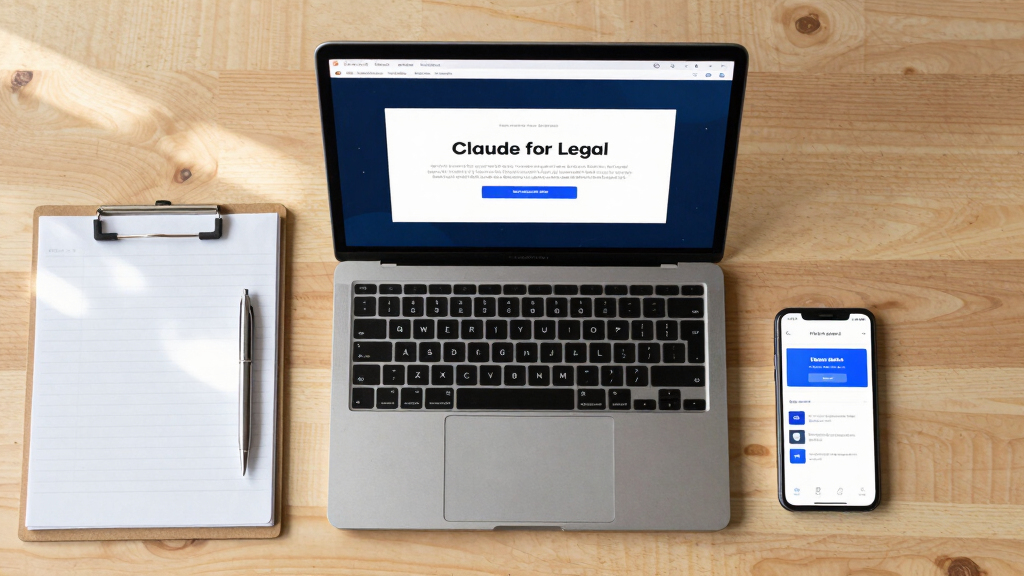
Anthropic has announced ‘Claude for Legal,’ a new AI platform tailored for legal workflows, including contract review, compliance, and legal analysis. The system offers plugins and agents for law firms and in-house legal teams, emphasizing draft review and efficiency.
Anthropic has announced the release of ‘Claude for Legal,’ a suite of AI tools designed to assist legal professionals across various practice areas, including contract review, compliance, and legal analysis. The platform aims to streamline workflows and improve efficiency while emphasizing that outputs are drafts requiring attorney review.
The platform offers a range of plugins and named agents that can be integrated into legal workflows. These include tools for reviewing vendor agreements, NDAs, amendments, and monitoring contract deadlines. The system can connect with popular legal and productivity tools such as Ironclad, DocuSign, and Slack. Each output generated by these plugins is explicitly labeled as a draft, not legal advice, and must be reviewed by a licensed attorney before use. The system is built to support in-house legal teams, law firms, and academic institutions, with features tailored for corporate, employment, litigation, and regulatory legal work.
Anthropic emphasizes that ‘Claude for Legal’ is designed to help attorneys analyze issues faster and with greater consistency, but it does not replace professional judgment. The platform includes a variety of pre-built agents, such as the Vendor Agreement Reviewer, NDA Triager, and Termination Reviewer, which automate common tasks in legal workflows. The company states that all outputs include source attributions and default conservative settings to safeguard privilege and jurisdictional considerations.
Why It Matters
This development is significant because it represents a major step toward integrating advanced AI into legal workflows, potentially reducing time and costs for legal teams. As legal work often involves repetitive tasks like contract review and compliance checks, AI tools like ‘Claude for Legal’ could transform how legal services are delivered and managed.
However, the platform’s reliance on AI-generated drafts underscores the ongoing importance of human oversight. The legal industry remains cautious about fully automating complex legal judgments, but the system’s design aims to augment attorneys’ capabilities while maintaining accountability.
As an affiliate, we earn on qualifying purchases.
Background
Anthropic’s launch follows broader trends of AI integration into professional services, particularly in law, where the demand for efficiency is high. Prior to this, AI tools have been used for document review and legal research, but ‘Claude for Legal’ offers a more comprehensive suite tailored specifically for legal workflows. The release coincides with increasing adoption of AI plugins across legal tech platforms, reflecting a shift toward automation of routine tasks.
It is not yet clear how widely adopted ‘Claude for Legal’ will be, or how it will be received by the legal community, which remains cautious about reliance on AI for critical legal decisions. The platform’s success will depend on its accuracy, ease of integration, and how well it supports attorney oversight.
“‘Claude for Legal’ is designed to support legal professionals by automating routine tasks and providing draft analysis, with the understanding that all outputs require review.”
— Anthropic spokesperson
“This platform could significantly improve efficiency in legal workflows, but its impact will depend on how well it integrates with existing systems and how legal professionals trust its outputs.”
— Legal tech analyst
As an affiliate, we earn on qualifying purchases.
What Remains Unclear
It is not yet clear how the legal community will adopt ‘Claude for Legal’ at scale, or how courts and regulators will view AI-generated legal drafts. The effectiveness and accuracy of the platform in complex or high-stakes legal matters remain to be tested in real-world settings.
law firm document analysis tools
As an affiliate, we earn on qualifying purchases.
As an affiliate, we earn on qualifying purchases.
What’s Next
Next steps include broader deployment and user feedback, as well as potential updates to improve accuracy and integration. Legal firms and in-house teams are expected to pilot the platform over the coming months, with some initial case studies likely to emerge by early 2024.
legal workflow automation software
As an affiliate, we earn on qualifying purchases.
As an affiliate, we earn on qualifying purchases.
Key Questions
Can ‘Claude for Legal’ replace lawyers?
No, it is designed to assist, not replace, legal professionals. All outputs are drafts that require attorney review before use.
What practice areas does it support?
The platform is tailored for corporate, employment, litigation, regulatory, and related legal workflows, offering tools like contract review and compliance monitoring.
Is the system secure and compliant?
Anthropic emphasizes that the platform includes safeguards such as source attribution and default privilege-aware settings, but organizations should evaluate its security features before deployment.
Will this impact legal jobs?
While it may automate routine tasks, the platform aims to augment attorneys’ work rather than eliminate jobs, allowing legal professionals to focus on higher-level analysis and strategy.
Fall Picks
fall essentials
As an affiliate, we earn on qualifying purchases.