
TL;DR
The EFF and other groups filed an amicus brief urging the Fourth Circuit to require warrants for border searches of electronic devices. The case involves a man convicted after a warrantless search uncovered child abuse material. The court’s decision could set a key legal precedent on privacy rights at the border.
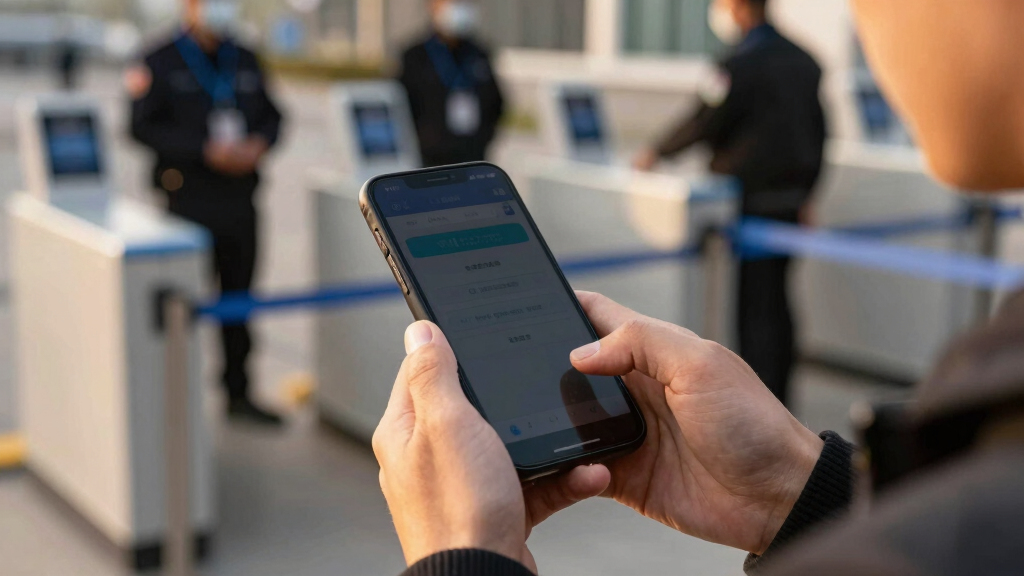
The Electronic Frontier Foundation (EFF) and several civil rights organizations have urged the U.S. Court of Appeals for the Fourth Circuit to require law enforcement to obtain a warrant before conducting searches of electronic devices at the U.S. border, emphasizing Fourth Amendment protections. The case, U.S. v. Belmonte Cardozo, involves a man convicted after border agents found child sexual abuse material on his phone during a manual search, raising questions about privacy rights and legal standards for device searches.
The amicus brief filed by the EFF, along with the ACLU and other organizations, argues that both manual and forensic searches of electronic devices at the border should be governed by a warrant supported by probable cause, issued by a neutral judge. The case centers on a 2024 incident where border officers searched a traveler’s cell phone without a warrant, leading to criminal charges for child pornography.
The Fourth Circuit has previously addressed forensic device searches, ruling in 2018 and 2019 that warrants are required for such searches in certain contexts. However, manual searches—such as tapping or mousing around a device—are still subject to less clear legal standards. The EFF advocates for a uniform warrant requirement, citing the highly personal nature of data stored on modern electronic devices.
Why It Matters
This case could establish a significant legal precedent affecting privacy rights at U.S. borders. A ruling requiring warrants for device searches would limit border agents’ ability to conduct suspicionless searches, aligning border search practices with Fourth Amendment protections and recent Supreme Court rulings like Riley v. California. It also highlights ongoing debates over the balance between national security, border enforcement, and individual privacy rights in the digital age.

Buffway Slim Minimalist Front Pocket RFID Blocking Leather Wallets for Men and Women – Carbon Fiber Black
- STYLISHLY SMALL, SLIM & DISCREET: Measuring just 3 1/8" x…
- SURPRISINGLY SPACIOUS: Though slim, it features 8…
- ADVANCED RFID BLOCKING: Our slim wallets for men…
As an affiliate, we earn on qualifying purchases.
As an affiliate, we earn on qualifying purchases.
Background
The border search exception to the Fourth Amendment has historically allowed warrantless searches of luggage and vehicles. However, modern electronic devices contain vast amounts of personal data, raising privacy concerns. Previous Fourth Circuit decisions have addressed forensic searches but left manual searches less clearly defined. The case of Belmonte Cardozo marks a pivotal moment as courts consider whether warrantless searches of devices violate constitutional rights, especially given the increasing number of such searches—55,318 in Fiscal Year 2025 alone, according to CBP data.
“We argue that the Fourth Circuit should require warrants supported by probable cause for all border device searches, manual or forensic, to protect travelers’ privacy rights.”
— Electronic Frontier Foundation
“Border searches are an exception to the warrant requirement, but the scope of this exception in the digital age is under review.”
— U.S. Department of Justice

MUBUY-GOL 15.6 Inch Portable Monitor privacy Screen Protector for ASUS/MNN/KYY/ARZOPA/Yxk/QQH/Lepow/ZenScreen/InnoView/Newsoul/ForHelp, Privacy Shield and Anti-Glare Protector (Universal Fit 16:9)
- Privacy Shield for Side Views: Blocks side views over 30° angle
- Universal Compatibility: Fits 15.6-inch screens from multiple brands
- Blue Light & UV Protection: Reduces eye strain by blocking blue light and UV
As an affiliate, we earn on qualifying purchases.
As an affiliate, we earn on qualifying purchases.
What Remains Unclear
It is not yet clear how the Fourth Circuit will rule on the warrant requirement for manual searches of electronic devices. The court’s decision could set a precedent, but the outcome remains uncertain as the case is still under deliberation after oral arguments.
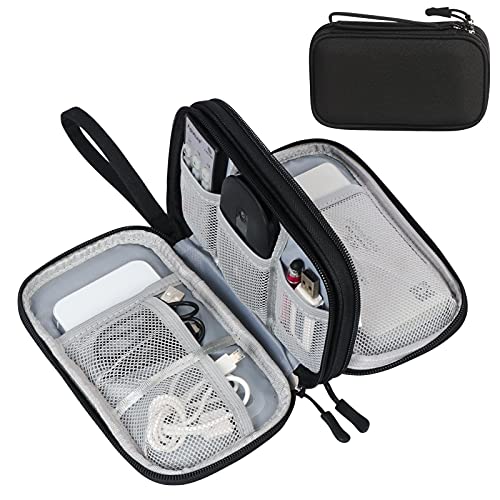
FYY Electronic Organizer, Travel Tech Pouch Bag, Cable Organizer Black
- Compact and Lightweight Design: Easy to carry in bags or backpacks
- Durable Waterproof Material: Protects gadgets from splashes and moisture
- Double Layer Interior: Features 8 compartments for organized storage
As an affiliate, we earn on qualifying purchases.
As an affiliate, we earn on qualifying purchases.
What’s Next
The Fourth Circuit is expected to issue a ruling in the coming months. The decision could influence future border search policies and potentially prompt legislative or executive branch actions to clarify legal standards for electronic device searches at the border.

Digital Privacy Field Manual: How to Protect Your Identity, Devices, and Data in a Surveillance World
As an affiliate, we earn on qualifying purchases.
As an affiliate, we earn on qualifying purchases.
Key Questions
Why does requiring a warrant matter for border searches of electronic devices?
Requiring a warrant would protect travelers’ privacy rights by ensuring searches are supported by probable cause and authorized by a judge, limiting suspicionless searches and preventing potential abuses.
How many device searches occur at U.S. borders annually?
According to Customs and Border Protection data, there were approximately 55,318 device searches in Fiscal Year 2025, including manual and forensic methods.
What are the legal standards currently applied to border device searches?
For forensic searches, courts have held warrants are required in certain contexts, but manual searches are less clearly regulated, often considered routine and suspicionless under the border search exception.
Could this case change how border searches are conducted in the future?
Yes, a ruling requiring warrants for all device searches would significantly alter current practices, potentially limiting suspicionless searches and increasing judicial oversight.