
TL;DR

Get the latest gadgets delivered free — and shop member deals
- Fast, free delivery on millions of items
- Access to Prime Big Deal Days deals on October 6–7
- Prime Video, Amazon Music and more included
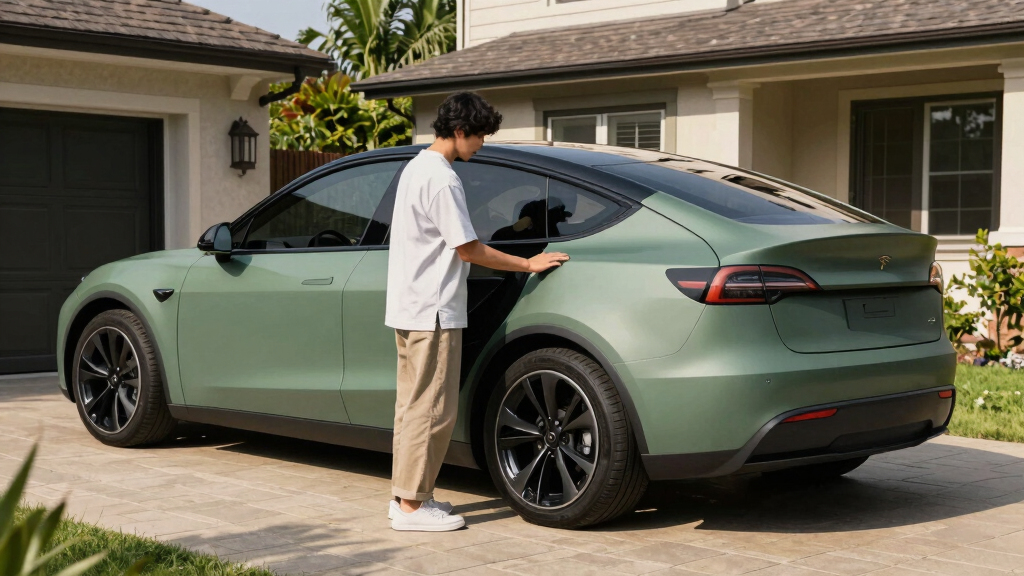
Fisker Inc. declared bankruptcy in June 2024, leaving 11,000 Ocean SUV owners without manufacturer support. In response, owners formed an open-source community to maintain and develop their vehicles independently, creating a unique automotive grassroots movement.
Fisker Inc. filed for Chapter 11 bankruptcy in June 2024, leaving approximately 11,000 Ocean SUV owners without manufacturer support and critical software updates. In response, these owners organized into a community that has reverse-engineered the vehicle’s software, creating an open-source ecosystem to maintain and develop their cars independently. This grassroots effort represents a rare instance of consumers taking control after a manufacturer’s collapse, making it a significant development in the automotive industry.
Fisker’s bankruptcy revealed that the Ocean SUV’s software architecture was heavily cloud-dependent, causing critical vehicle functions to fail once Fisker’s servers went dark. The company had produced only 11,000 vehicles before accumulating over $1 billion in debt, and it ceased all support when it filed for bankruptcy. In response, thousands of owners formed the Fisker Owners Association (FOA), a nonprofit that quickly grew to 4,000 members, focusing on reverse-engineering software, sourcing parts, and organizing repair networks.
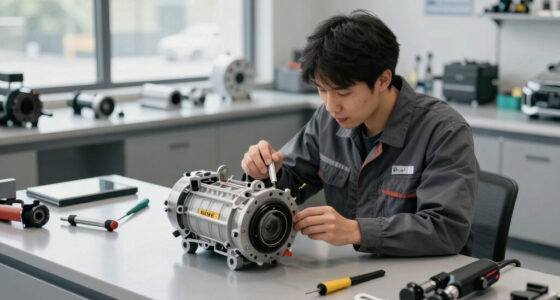
Owners and independent developers have created tools and repositories on GitHub, including reverse-engineered APIs and CAN bus decoding files, enabling diagnostics and software modifications. Notably, community members have managed to develop firmware flashing tools, create mobile diagnostics apps, and negotiate parts supplies, effectively building a volunteer-run, open-source auto company from the ashes of Fisker. The community’s efforts have also secured insurance coverage and pushed for safety recalls, filling gaps left by Fisker’s exit from the market.
Why It Matters
This story underscores a shift toward consumer-led vehicle maintenance and software development, challenging traditional automotive industry practices. It highlights the risks of software-dependent vehicle architectures and raises questions about long-term vehicle support after manufacturer failure. The grassroots movement demonstrates how open-source principles can empower owners to sustain and improve their vehicles independently, potentially influencing future automotive design and support models.
Fisker Ocean SUV diagnostic tools
As an affiliate, we earn on qualifying purchases.
As an affiliate, we earn on qualifying purchases.
Background
Fisker, once a promising electric vehicle startup, faced rapid financial decline after launching its Ocean SUV, which was praised for hardware but criticized for software readiness. Its collapse in mid-2024 was sudden, leaving thousands of owners with vehicles that depended on cloud services for critical functions. Similar to other tech-driven industries, the EV market is increasingly reliant on software, making the Fisker case a notable example of how software architecture can impact vehicle longevity and support. Prior to bankruptcy, Fisker had secured over 31,000 reservations worth $1.7 billion, but production and sales fell short of expectations amid mounting debts.
“We really need much more open source in the auto industry. Really sad that ‘if the manufacturer disappears, the car is useless now’ has seemingly so quickly become a default.”
— Cory Doctorow
“We really need much more open source in the auto industry. Really sad that ‘if the manufacturer disappears, the car is useless now’ has seemingly so quickly become a default.”
— Vitalik Buterin
As an affiliate, we earn on qualifying purchases.
What Remains Unclear
It remains unclear how sustainable or scalable the open-source efforts will be long-term, especially for safety-critical systems that are proprietary and developed by suppliers like Magna. The legal and safety implications of modifying and maintaining vehicle software outside manufacturer support are also unresolved. Additionally, the future relationship between the owners’ community and potential new commercial partners is still uncertain.
As an affiliate, we earn on qualifying purchases.
What’s Next
Next steps include formalizing the open-source ecosystem, possibly seeking legal recognition, and expanding the community’s technical capabilities. There may also be developments around securing more parts supply channels and establishing independent certification or safety standards. Monitoring how manufacturers and regulators respond to this grassroots movement will be key in the coming months.
electric vehicle firmware flashing tools
As an affiliate, we earn on qualifying purchases.
As an affiliate, we earn on qualifying purchases.
Key Questions
Can owners fully open-source the vehicle’s software?
It is uncertain whether the entire vehicle software can be fully open-sourced due to proprietary constraints, but diagnostics, connectivity, and non-safety-critical systems are actively being reverse-engineered and supported by the community.
Will Fisker or any other manufacturer support this open-source effort?
Currently, there is no official support from Fisker or other automakers. The movement is entirely grassroots, driven by owners and independent developers.
Are these open-source modifications safe and legal?
The safety and legality of modifications are still being evaluated. Owners are advised to proceed cautiously, especially with safety-critical systems, and to stay informed about local regulations.
What impact could this have on the future of EVs?
This grassroots movement could influence future vehicle design toward more open architectures and community-led support models, potentially reshaping industry standards and consumer expectations.
Fall Picks
fall essentials
As an affiliate, we earn on qualifying purchases.