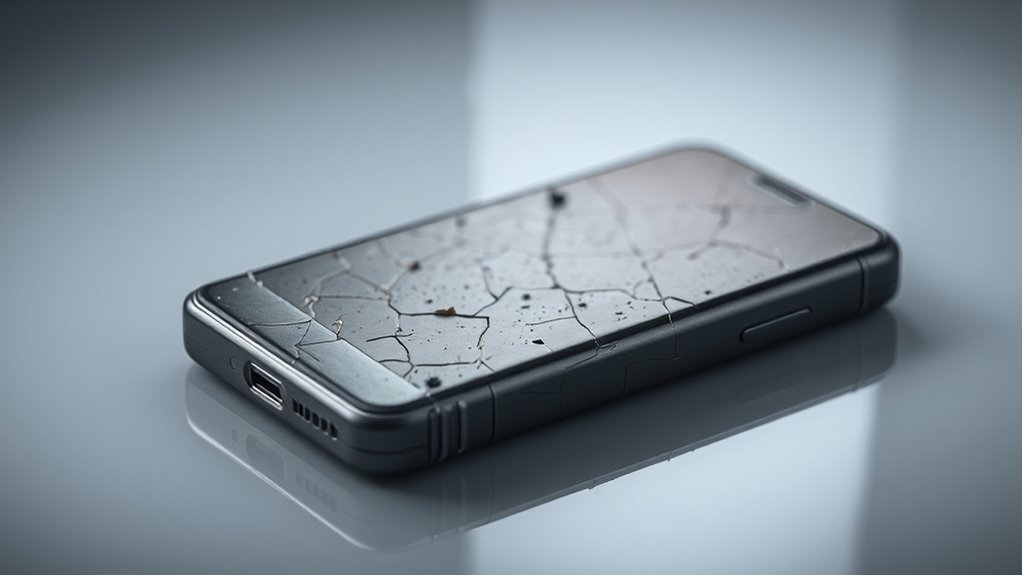

Phone batteries degrade over time because of chemical changes inside the battery caused by repeated charging and discharging cycles, which gradually wear down internal components. Charging to full repeatedly or draining the battery completely speeds up this process. Extreme temperatures can also damage the internal chemistry, reducing capacity further. To keep your battery healthier longer, follow good habits and stay aware of these factors—there’s more to learn about maximizing your battery’s lifespan.

Get the latest gadgets delivered free with Prime
- Fast, free delivery on millions of items
- Prime Video, Amazon Music and more included
- Member-only deals all year
Key Takeaways
- Chemical changes in lithium-ion batteries reduce their ability to hold charge over time.
- Repeated charging and discharging cycles gradually wear down internal battery components.
- Charging to 100% frequently and deep discharges accelerate capacity loss.
- Exposure to high temperatures damages internal chemistry, speeding up degradation.
- Using non-certified chargers and poor charging habits can harm battery longevity.
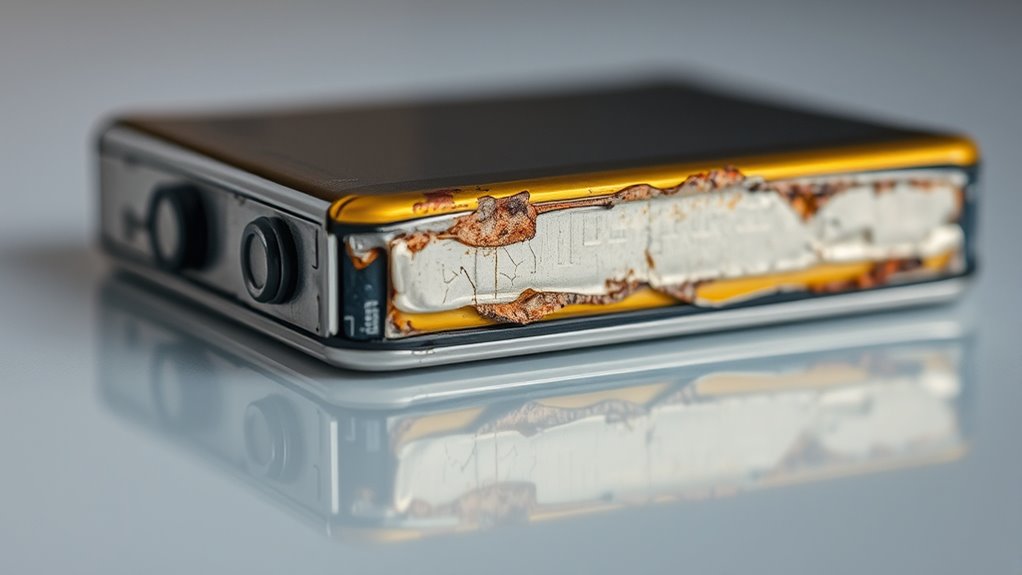
Over time, your phone’s battery capacity naturally diminishes, causing it to hold less charge and need more frequent recharging. This decline happens because lithium-ion batteries, which power most smartphones, undergo chemical changes with repeated use. Each cycle of charging and discharging slightly wears down the battery’s internal components, reducing its ability to store energy efficiently. As a result, your phone might not last as long on a single charge, and you may find yourself plugging it in more often. Understanding why batteries degrade can help you adopt better habits to extend their lifespan.
Battery capacity declines over time due to chemical changes in lithium-ion batteries with repeated use.
One key factor that influences battery health is your charging habits. Frequently charging your phone to 100% or letting it drain completely before recharging can accelerate capacity loss. Ideal charging practices involve keeping the battery level between 20% and 80%, which minimizes stress on the battery chemistry. Avoid leaving your phone plugged in overnight or for extended periods after it reaches full charge, as this can lead to overcharging—another culprit behind battery degradation. By being mindful of how and when you charge, you’re helping preserve the battery’s longevity.
Additionally, your approach to battery recycling plays a crucial role. When your battery’s performance drops markedly, replacing it or recycling the old one responsibly ensures environmental safety and the proper disposal of hazardous materials. Many manufacturers and service providers now offer battery recycling programs, making it easier to dispose of batteries correctly. Proper recycling prevents harmful chemicals from contaminating the environment and allows for the materials inside the battery to be recovered and reused in new batteries. This sustainable approach not only benefits the planet but also encourages better management of electronic waste, including batteries that have reached the end of their useful life.
Another important aspect is understanding the role of temperature in battery degradation, as exposure to extreme heat or cold can significantly accelerate capacity loss. To get the most out of your phone’s battery, it’s imperative to avoid habits that accelerate degradation. Don’t expose your device to extreme temperatures, as heat and cold can damage the internal chemistry. Keep your device in a cool, dry place, especially during charging. Also, consider using original or certified chargers; cheap or incompatible chargers may deliver inconsistent power, stressing your battery. Regularly updating your device’s software can enhance battery management and improve overall performance.
As an affiliate, we earn on qualifying purchases.
Frequently Asked Questions
Can Battery Degradation Be Fully Reversed?
Battery degradation can’t be fully reversed because of changes in battery chemistry caused by repeated charging cycles. Each time you charge your phone, it endures a charging cycle, which gradually wears down the battery’s capacity. While some treatments or tech improvements can slow this process, they won’t completely restore the battery to its original condition. Proper care can extend battery life, but full reversal remains impossible due to inherent chemical wear.
Do Different Phone Brands Have Different Degradation Rates?
Like comparing different brands of cigars in a smoky jazz club, you’ll notice that phone brands do have varying degradation rates. Some brands, known for strong brand reputation, tend to optimize battery capacity better, resulting in slower degradation. Others might see faster capacity loss over time. Your choice impacts how long your battery stays healthy, so researching brand reputation and battery performance can help you pick a device that keeps its charge longer.
How Do Temperature Changes Affect Battery Health?
Temperature changes impact your battery’s health by causing thermal expansion, which stresses internal components, and affecting electrolyte stability, leading to faster degradation. When it’s too hot, your battery’s chemical reactions speed up, causing capacity loss and potential damage. Cold temperatures slow reactions, reducing performance temporarily. To maintain battery longevity, keep your phone within a moderate temperature range, avoiding extreme heat or cold, and store it in a cool, dry place whenever possible.
Is It Better to Keep Phones Charged or Discharged?
You should aim to keep your phone’s battery between 20% and 80% for ideal lifespan. Studies show that maintaining moderate charging habits can extend battery life by up to 40%. Avoid letting your battery fully discharge or stay at 0%, as this stresses the cells. By keeping your phone charged rather than discharged, you help preserve its capacity and prolong its overall battery lifespan.
Does Using Fast Charging Accelerate Battery Wear?
Using fast charging can accelerate battery wear because it generates more heat and stresses the battery’s chemistry. This heat accelerates chemical reactions that degrade the battery’s lifespan. While fast charging is convenient, consistently relying on it may shorten your phone’s overall battery life. To preserve your battery’s health, it’s best to use slow charging when possible and avoid frequent, rapid recharges.
lithium-ion battery replacement kit
As an affiliate, we earn on qualifying purchases.
As an affiliate, we earn on qualifying purchases.
Conclusion
Just like a wise old tree slowly sheds its leaves, your phone battery gradually loses its energy over time. Every charge and discharge cycle wears it down, much like the passing seasons wear on nature. But with proper care—avoiding extreme temperatures and not overcharging—you can extend its lifespan. Remember, while batteries age, your device’s usefulness endures if you nurture it well, much like a timeless story that continues to unfold through the seasons of life.
smartphone battery recycling program
As an affiliate, we earn on qualifying purchases.
As an affiliate, we earn on qualifying purchases.
original certified phone charger
As an affiliate, we earn on qualifying purchases.
As an affiliate, we earn on qualifying purchases.
Halloween Picks
halloween
As an affiliate, we earn on qualifying purchases.