

TL;DR
Mistral, a European AI startup valued at over €11.7 billion, is rapidly expanding but faces challenges in model performance, openness, and financial transparency. Its strategy raises questions about its impact on European sovereignty amid global AI competition.
Mistral, the European AI startup valued at over €11.7 billion, is experiencing rapid growth with an annual recurring revenue reaching over €400 million by early 2026. However, questions are emerging about whether its business model and strategic choices threaten European sovereignty in AI development, especially amid global competition from US and Chinese labs.
Founded with a focus on open weights and European data, Mistral has attracted over 100 enterprise clients including Airbus, BMW, and the French armed forces. Despite this, its model performance lags behind US and Chinese competitors, with third-party evaluations indicating its models are slower and less capable on key benchmarks.
While Mistral claims a €11.7 billion valuation following a €1.7 billion Series C funding round led by ASML, its financial transparency remains limited. The company has raised between $3 billion and $5.5 billion without disclosing losses, raising concerns about its profitability and long-term sustainability.
Strategically, Mistral’s focus on European data sovereignty appears increasingly challenged by its reliance on American infrastructure, cloud providers, and silicon from Nvidia. Its ambition to develop proprietary AI chips is viewed as a distraction at this scale, given the significant capital and technological hurdles involved.
Implications of Mistral’s Growth for European AI Leadership
Mistral’s rapid expansion and valuation highlight Europe’s ambitions to lead in AI technology. However, its model performance gaps, financial opacity, and reliance on non-European infrastructure pose risks to maintaining genuine sovereignty. If its strategy falters, it could undermine Europe’s position in the global AI race and weaken its technological independence.
As an affiliate, we earn on qualifying purchases.
European AI Ambitions and Global Competition
Europe has long aimed to develop autonomous AI capabilities, emphasizing data privacy and sovereignty. Mistral emerged as a challenger to US giants like OpenAI and Chinese labs, positioning itself as a European alternative based on open models and local data use. However, the company’s rapid valuation growth contrasts with persistent performance and transparency issues, raising questions about the sustainability of its strategy amid intense global competition.
“Nearly 40% of Mistral’s revenue comes from outside Europe, which complicates its sovereignty narrative.”
— Arthur Mensch, Forbes
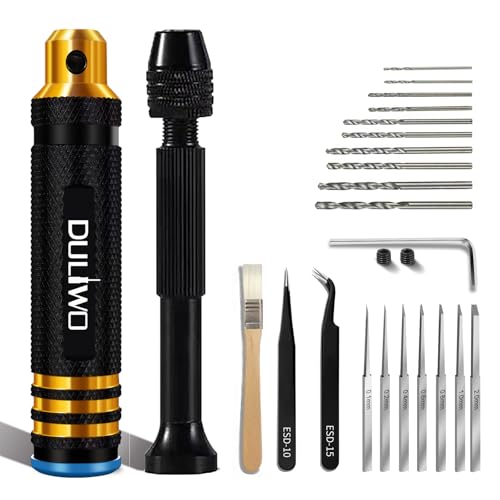
DULIWO Model Scriber Tool Kit, 7-Blade Chisel Set for Gunpla
- Complete Model Scriber Kit: Includes blades, drill bits, tweezers, and brush
- High-Quality Materials: Tungsten steel blades and lightweight aluminum handle
- Versatile Functionality: Engraving, cutting, scribing, burr removal, drilling, and cleaning
As an affiliate, we earn on qualifying purchases.
As an affiliate, we earn on qualifying purchases.
Unclear Aspects of Mistral’s Long-Term Strategy
It remains uncertain whether Mistral can improve its model performance to compete with US and Chinese leaders, or if its reliance on open weights and European data can sustain its growth. Additionally, the company’s financial health and profitability are not publicly disclosed, leaving questions about its long-term viability and strategic direction.
As an affiliate, we earn on qualifying purchases.
Next Steps in Mistral’s Growth and Strategic Positioning
Expect further funding rounds, possibly around the $3.5 billion mark, and continued efforts to enhance model capabilities. Monitoring its financial disclosures and product performance will be critical to assess whether Mistral can maintain its growth trajectory and uphold its sovereignty claims amid increasing competition and technological challenges.
As an affiliate, we earn on qualifying purchases.
Key Questions
Can Mistral truly compete with US AI giants?
Currently, Mistral lags behind US labs in model performance and infrastructure, but its rapid growth and European backing suggest potential for future improvements. Its ability to compete depends on technological advancements and strategic execution.
Does Mistral’s reliance on American infrastructure undermine its sovereignty?
Yes, critics argue that dependence on US cloud providers, silicon, and training data complicates its sovereignty claims, despite its European branding and open model approach.
Will Mistral’s financial opacity affect its future?
Financial transparency issues pose risks, especially if losses are substantial. Lack of clear profitability could impact its ability to sustain growth and compete long-term.
What are the risks of Mistral’s chip development plans?
Developing proprietary AI chips at this scale requires massive capital and technological expertise, which may divert resources from core model development and strategic objectives.
What does Mistral’s growth mean for European AI sovereignty?
While it signals ambition, current dependencies and performance gaps suggest that true sovereignty remains a challenge unless the company can significantly improve its technological independence and transparency.
Source: ThorstenMeyerAI.com