📊 Full opportunity report: The Memory Squeeze: Why Your RAM Bill Doubled on ThorstenMeyerAI.com — validation score, market gap, and execution plan.
TL;DR
In 2026, RAM prices have doubled or more, with some kits costing three to six times previous lows. The shift toward AI-focused memory production is causing a persistent shortage, with no quick fix expected. For more background, see Apple Wants Blacklisted Chinese RAM.
DRAM prices have surged by up to 90% in the first quarter of 2026, with 32GB DDR5 kits now costing around $375, and 64GB kits exceeding $600. This sharp increase is driven by a fundamental shift in chip manufacturing priorities, affecting consumer and enterprise markets alike.
Since mid-2025, the cost of consumer RAM has roughly doubled, with some 32GB DDR5 kits tripling or quadrupling in price. Jay Forrester filed the first practical computer RAM patent. The main driver is the reallocation of wafer capacity from standard DRAM to High Bandwidth Memory (HBM), which is used in AI accelerators like Nvidia’s GPUs. The three dominant manufacturers—Samsung, SK Hynix, and Micron—are prioritizing high-margin AI memory, which is significantly more profitable than traditional DDR5 modules.
This shift is not temporary. HBM now accounts for approximately 23% of wafer output, up from 19% a year earlier, and AI applications are projected to absorb about 20% of all DRAM capacity in 2026. Unlike past memory shortages, which eased with increased supply, this shortage stems from a deliberate capacity shift, making it unlikely that prices will fall soon. Supply growth is below historical norms, with only 16-17% increase expected in 2026, while demand continues to grow rapidly. New manufacturing capacity is not expected to come online until 2027–2028, and current industry practices favor maintaining high margins over increasing supply.
Why your RAM bill doubled
“Doubled” is the polite version — consumer DRAM is running 3–6× its 2024 lows. The boom-bust cycle that always brought cheap RAM back isn’t coming this time, because the factories that make your RAM now make something far more profitable instead.
HBM
This is the quiet tax on the whole AI era. Relief isn’t forecast before 2028, and even then prices may settle 30–50% above pre-crisis levels. Buy what you genuinely need now; don’t panic-buy capacity you won’t use. You can’t out-wait the fab math — but, as this series will show, you can shrink what you need. Next: HBM Ate the Fab.
Impacts of the Memory Price Surge on Consumers and Industry
The ongoing memory price surge affects a broad range of stakeholders, from individual consumers to large enterprise buyers. PC builders now face higher component costs, with RAM becoming the most expensive part of many systems, potentially delaying upgrades or raising prices. Major manufacturers like Apple and Lenovo have already announced price hikes, and counterfeit modules are emerging due to shortages. The shift towards AI memory also raises concerns about future supply stability and market concentration, as only a few firms control most of the global DRAM output.
For the wider tech industry, the current scenario signals a structural change in memory markets, with high-margin AI memory prioritized over consumer-grade modules. This could influence product pricing, availability, and innovation cycles for years to come, marking a departure from the traditional boom-bust cycles of memory markets.
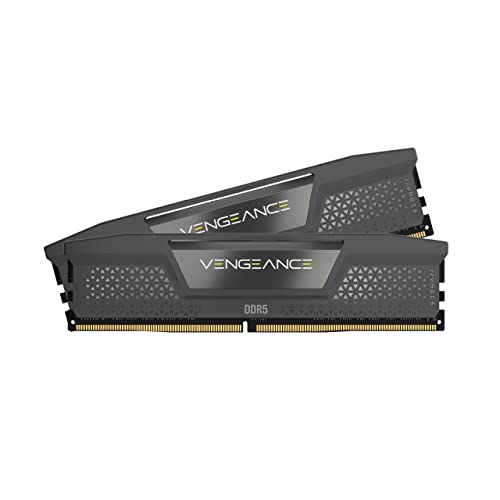
CORSAIR Vengeance DDR5 RAM 32GB (2x16GB) Up to 6000MHz CL36-44-44-96 1.35V AMD EXPO Intel XMP 3.0 Computer Memory – Grey (CMK32GX5M2E6000Z36)
- Maximum Speed Disclaimer: Requires overclocking and BIOS adjustments
- Enhanced Performance: Faster data processing for modern CPUs
- Onboard Voltage Regulation: Supports precise overclocking via iCUE software
As an affiliate, we earn on qualifying purchases.
As an affiliate, we earn on qualifying purchases.
How the AI Boom Reshaped Memory Manufacturing in 2026
Over the past year, the memory market has experienced unprecedented price increases, with 32GB DDR5 kits rising from about $120 to over $370. This is largely due to a strategic reallocation of wafer capacity by Samsung, SK Hynix, and Micron, who now divert a significant portion of their production toward HBM for AI accelerators, rather than consumer RAM. This shift is driven by the higher profitability of AI memory modules, which sell for $60–$100 each, compared to $5–$10 for DDR5.
Historically, memory shortages have been resolved by expanding capacity, but this cycle is different. Industry insiders report that manufacturers are intentionally managing supply to sustain high margins, with new fab expansions not expected to produce meaningful volume until 2027–2028. Additionally, the market is characterized by high demand from hyperscalers, who place large, open-ended orders, and long-term contracts that lock in supply for years, reducing the availability of consumer modules and driving prices upward.
“Manufacturers are managing scarcity intentionally, prioritizing high-margin products and maintaining record profits rather than increasing supply to meet consumer demand.”
— A supply-chain executive

CORSAIR Vengeance RGB RS DDR5 RAM 64GB (2x32GB) Up to 6000MHz CL40-50-50-96 1.35V AMD Expo Intel XMP Computer Desktop Memory – Gray (CMG64GX5M2D6000Z40)
- Maximum Speed Note: Requires overclocking and BIOS adjustments
- RGB Lighting: Individually addressable dynamic RGB effects
- Voltage Regulation: Onboard regulation for stable high-frequency performance
As an affiliate, we earn on qualifying purchases.
As an affiliate, we earn on qualifying purchases.
Unresolved Questions About Future Memory Supply and Prices
It remains unclear how long the current capacity management strategy will persist and whether new fab expansions will eventually flood the market with cheaper memory. Industry insiders suggest supply growth will stay below demand until at least 2028, but the exact timing and scale of future capacity increases are uncertain. Additionally, the potential for regulatory scrutiny or antitrust actions against dominant manufacturers remains an open question, given past collusion cases.
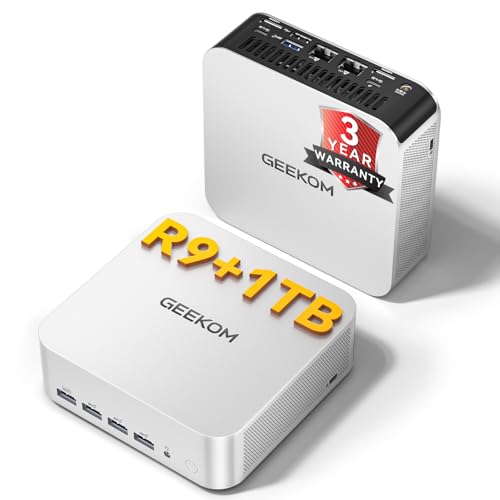
GEEKOM [2026 Edition Multitasking Mini PC A7 MAX with AMD Ryzen 9 7940HS
- Industry Supply Chain Alert: Secure current DDR5 pricing and coverage
- Powerful AMD Ryzen 9 Processor: Handles gaming and multitasking with ease
- Ray Tracing Capable AMD Radeon 780M GPU: Supports smooth 1080p AAA gaming
As an affiliate, we earn on qualifying purchases.
As an affiliate, we earn on qualifying purchases.
Upcoming Industry Developments and Market Trends to Watch
Manufacturers are expected to continue prioritizing high-margin AI memory modules through 2026 and into 2027, with new fabs gradually increasing capacity. Consumers and OEMs should anticipate ongoing high prices, potential shortages, and the rise of counterfeit modules. Industry analysts will monitor whether manufacturers adjust their strategies in response to market pressures or regulatory scrutiny. The next major milestone is the expected ramp-up of new fab capacities in 2027–2028, which could eventually ease the supply constraints and stabilize prices.
As an affiliate, we earn on qualifying purchases.
Key Questions
Why have DRAM prices increased so sharply in 2026?
Prices have risen due to manufacturers reallocating wafer capacity toward high-margin AI memory modules, reducing supply of consumer RAM and driving prices higher.
Will RAM prices go back to normal soon?
Not in the near term. Industry insiders expect supply growth to remain below demand until at least 2028, making a quick price correction unlikely.
How does this affect PC builders and consumers?
Higher RAM prices increase overall system costs, delay upgrades, and lead to shortages and counterfeit modules in the market.
Are manufacturers colluding to keep prices high?
No evidence suggests collusion this time; the price increases are driven by strategic capacity reallocation toward AI memory, though market concentration remains a concern.
Source: ThorstenMeyerAI.com