Heart rate tracking can show you how intense your workouts are and help with exercise planning. However, it doesn’t reveal your overall health, endurance, or long-term fitness. External factors like movement, skin tone, and device limitations can affect accuracy. It’s a helpful tool but not a magic solution—your true health involves more than just numbers. Keep exploring to understand how you can make better use of your heart rate data.
Key Takeaways
- Heart rate tracking indicates exercise intensity but doesn’t reflect overall cardiovascular health or fitness levels.
- Device accuracy varies; external factors like movement and skin tone can affect reliability.
- It cannot diagnose medical conditions or provide comprehensive health assessments.
- Heart rate data should be integrated with other metrics for accurate health and fitness insights.
- Proper device maintenance and understanding limitations enhance data usefulness and prevent misconceptions.
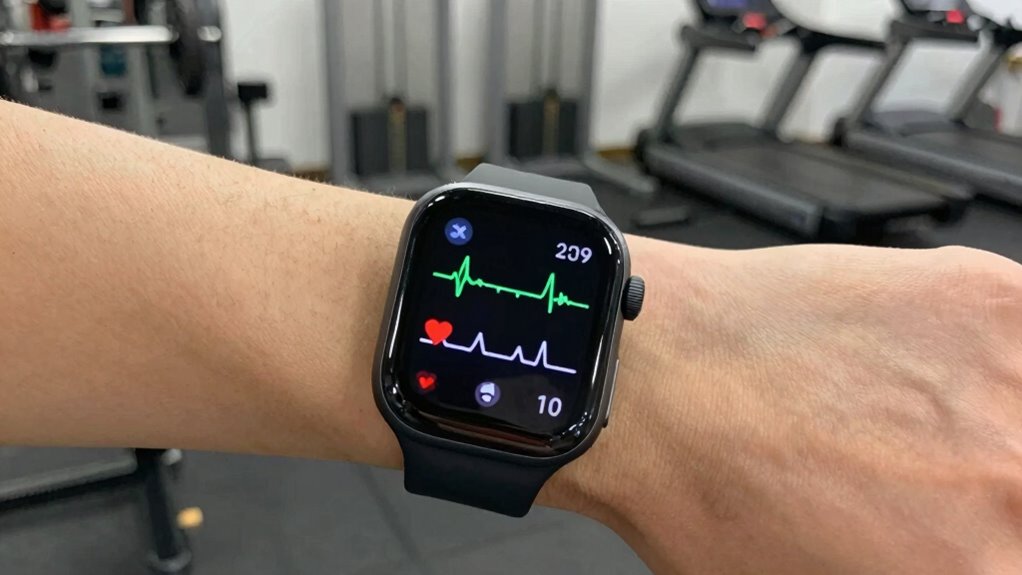
Heart rate tracking has become a popular tool for monitoring your health and fitness, but it’s important to understand what it can and cannot tell you. Many people believe that these devices offer a complete picture of their health, yet fitness myths often lead to misconceptions about their capabilities. One common myth is that heart rate data is always perfectly accurate; however, data accuracy can vary depending on the device you use, how you wear it, and the activity you’re performing. While modern heart rate monitors, like chest straps and high-quality wristbands, tend to be quite reliable, no device is flawless. Factors such as movement, skin tone, and placement can all affect the readings, so don’t assume your data is 100% precise at all times.
When you look at your heart rate, it’s tempting to think it reveals everything about your fitness level or health status. But, in reality, it only offers a snapshot of your heart’s beats per minute during specific moments. It doesn’t measure your overall cardiovascular health, endurance, or fitness improvements over time without consistent tracking and context. Heart rate data is useful for gauging exercise intensity, planning workouts, and ensuring you’re not overexerting yourself, but it shouldn’t be the sole indicator of your fitness progress. Many fitness myths circulate around the idea that tracking heart rate alone can tell you how fit you are or predict your health outcomes. That’s simply not true, as fitness involves many factors beyond heart rate, such as strength, flexibility, and metabolic health.
Additionally, while heart rate tracking can help you optimize workouts and monitor recovery, it can’t diagnose medical conditions or replace professional health assessments. If you notice irregularities or abnormal heart rate patterns, you should consult a healthcare professional rather than rely solely on your device. It’s also worth noting that your heart rate can fluctuate due to stress, hydration, medication, and other factors unrelated to your fitness. So, interpreting your data requires a nuanced approach—not just a glance at your numbers. Understanding the limitations of consumer devices is crucial for accurate health monitoring, as they may not always reflect your true physiological state. Furthermore, device accuracy can be affected by external factors, which emphasizes the importance of not solely relying on these measurements for health decisions. It’s also important to recognize that regular calibration and proper device maintenance can help improve the reliability of your data, but it won’t eliminate all inaccuracies. Ultimately, heart rate tracking is a valuable tool when used correctly, but it’s essential to understand its limitations, avoid relying on it as the sole measure of health, and dispel the fitness myths that suggest it’s a magic solution. Use it as part of a broader approach to health and fitness, not a definitive answer.
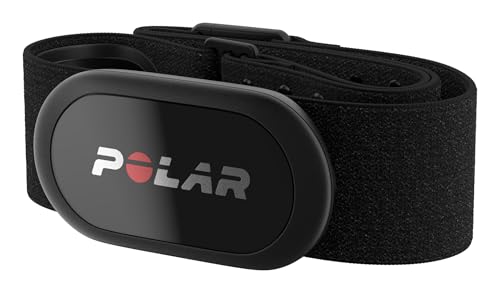
Polar H10 Heart Rate Monitor Chest Strap – ANT + Bluetooth, Waterproof HR Sensor for Men and Women, Black, M-XXL
- Compatibility: Works with all HRM-compatible devices
- Accuracy: Highly accurate heart rate measurement
- Connectivity: Bluetooth, ANT+, and 5 kHz support
As an affiliate, we earn on qualifying purchases.
As an affiliate, we earn on qualifying purchases.
Frequently Asked Questions
Can Heart Rate Data Predict Future Heart Problems?
Heart rate data alone can’t reliably predict future heart problems, but it offers valuable clues. Your genetic predisposition and lifestyle factors play significant roles in your heart health, and tracking your heart rate helps identify irregularities or stress patterns. Staying aware of these factors enables you to consult healthcare professionals for thorough assessments, ultimately reducing risks. Remember, combining heart rate data with overall health info gives you the best chance to prevent future issues.
How Accurate Are Consumer-Grade Heart Rate Monitors?
Imagine a calm lake reflecting the sky—consumer-grade heart rate monitors offer a glimpse of your fitness landscape, but their accuracy can wobble like ripples. While they provide useful trends, device limitations mean they might miss subtle changes or be thrown off by movement or skin contact. So, for precise fitness accuracy, rely on these devices as guides, not absolute authorities, and consider professional tools when precision truly matters.
Does Heart Rate Variability Indicate Stress Levels?
Yes, heart rate variability (HRV) can indicate stress levels, helping you assess your stress and optimize fitness. When HRV is low, it often signals higher stress or fatigue, while higher HRV suggests better recovery and resilience. Monitoring HRV allows you to tailor your stress management and training routines, making your fitness and overall well-being more effective. Keep track consistently to gain valuable insights into your body’s response to stress.
Can Heart Rate Tracking Replace Medical Diagnosis?
Heart rate tracking can’t replace medical diagnosis, no matter how convincing fitness tracking apps seem. Imagine relying solely on a fitness device to detect a hidden health issue—it’s a myth that these tools can substitute professional medical advice. While they offer valuable insights into your activity and stress levels, heart rate myths persist, and only a healthcare professional can accurately diagnose and treat medical conditions. Trust your doctor over devices for health concerns.
How Does Hydration Affect Heart Rate Readings?
Hydration levels directly impact your heart rate readings because dehydration affects electrolyte balance, which can cause your heart to work harder. When you’re dehydrated, your heart rate may increase due to dehydration effects, making readings less accurate. Staying well-hydrated helps maintain electrolyte balance, ensuring more reliable heart rate measurements. Always drink enough water before tracking to get the most accurate information about your cardiovascular health.

Smart Watch Fitness Tracker with 24/7 Heart Rate, Blood Oxygen Blood Pressure Monitor Sleep Tracker 120 Sports Modes Activity Trackers Step Calorie Counter IP68 Waterproof for Andriod iPhone Women Men
- High-Resolution 1.58'' Display: Vibrant colors and crisp clarity
- Always-On Display and Touch Controls: Easy time viewing and seamless operation
- 24/7 Heart Rate Monitoring: Real-time health data on your wrist
As an affiliate, we earn on qualifying purchases.
As an affiliate, we earn on qualifying purchases.
Conclusion
Remember, heart rate tracking is a helpful guide, but it’s not the whole story. It’s like a compass pointing you in the right direction, not the entire map. You can gauge your effort and recovery, but don’t rely on it to reveal every detail of your health. Listen to your body, and use heart rate data as a tool, not a crystal ball. Trust your instincts—your heart’s story is richer than numbers alone.
Smart Watch Fitness Tracker with 24/7 Heart Rate, Blood Oxygen Blood Pressure Monitor Sleep Tracker 120 Sports Modes Activity Trackers Step Calorie Counter IP68 Waterproof for Andriod iPhone Women Men
- High-Resolution 1.58'' Display: Vibrant colors and crisp clarity
- Always-On Display and Touch Controls: Easy time viewing and seamless operation
- 24/7 Heart Rate Monitoring: Real-time health data on your wrist
As an affiliate, we earn on qualifying purchases.
As an affiliate, we earn on qualifying purchases.
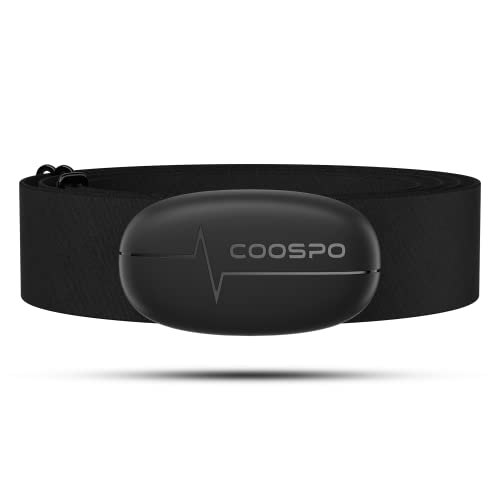
COOSPO H6 Heart Rate Monitor Chest Strap Bluetooth 4.0 ANT+ IP67 Chest Heart Rate Sensor for Peloton Polar DDP Yoga Map My Ride Garmin Sports Watches
- High-Precision Heart Rate Data: ±1 BPM accuracy for real-time monitoring
- Dual Wireless Connectivity: Bluetooth 4.0 and ANT+ support
- Compatible with Multiple Apps: Works with Strava, Zwift, Polar, and more
As an affiliate, we earn on qualifying purchases.
As an affiliate, we earn on qualifying purchases.