
Many people believe fitness trackers are perfectly accurate and automatically improve their health, but that’s a myth. These devices give rough estimates, and factors like device placement or skin tone can affect data. Privacy concerns are often overlooked, and constant charging may lead to gaps in tracking. Relying solely on trackers isn’t enough—healthy habits and medical advice matter too. To discover the truth behind these myths and how to use trackers effectively, keep exploring.
Get ready for Prime Big Deal Days — try Prime free
Exclusive member deals on October 6–7, plus fast free delivery. Cancel anytime.
As an affiliate, we earn on qualifying purchases.
Key Takeaways
- Fitness trackers provide rough estimates, not precise measurements, so don’t rely solely on their data for health decisions.
- Data collected can pose privacy risks; always review privacy policies and be cautious with third-party app access.
- Battery life varies; frequent charging can interrupt data collection and affect your motivation.
- Relying only on trackers won’t guarantee health improvements without proper diet, sleep, and medical advice.
- Understanding device limitations helps set realistic expectations and prevents overdependence on technology.
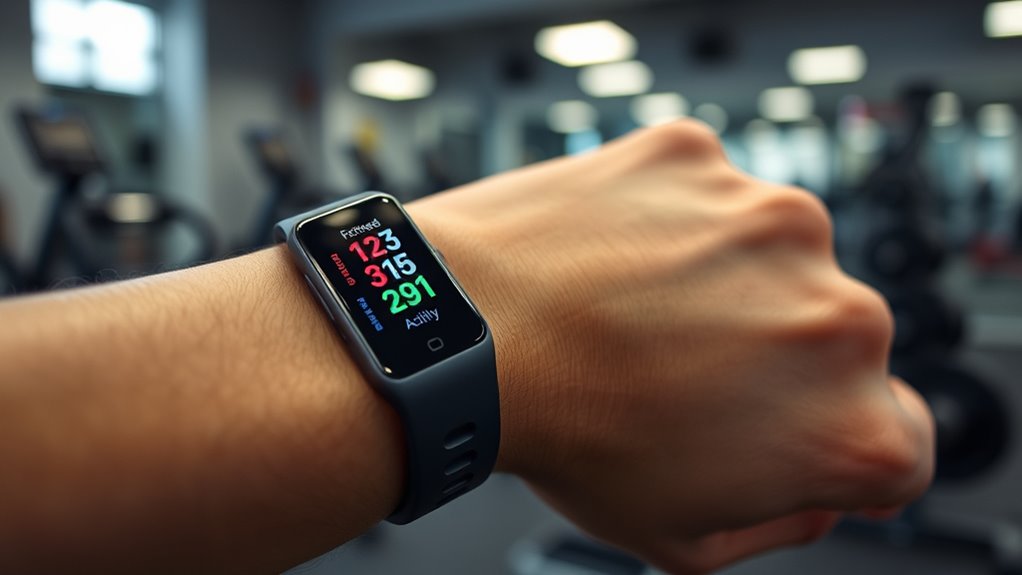
Are fitness trackers as effective as people believe? Many assume these devices are the ultimate solution for achieving health goals, but that’s not entirely true. While they can be helpful, understanding their limitations is key. One common myth is that fitness trackers provide perfectly accurate data. In reality, their measurements—like step counts, calorie estimates, and heart rate—are often rough approximations. Factors such as device placement, skin tone, and movement can influence accuracy. So, don’t rely solely on your tracker to judge your progress. Instead, use it as a motivational tool alongside other health indicators.
Another misconception is that fitness trackers are always reliable and secure. In truth, data privacy is a significant concern. Many devices collect sensitive information, including your location, activity patterns, and biometric data. While companies claim to protect your data, breaches and misuse happen more often than you’d like to think. Before syncing a tracker, it’s wise to review the privacy policy and understand what info is stored and shared. Be cautious about third-party apps that might access your data, and consider whether the benefits outweigh potential privacy risks. Remember, just because a device is popular doesn’t mean it’s invulnerable to hacking or misuse.
Fitness trackers often collect sensitive data; review privacy policies and be cautious with third-party app access.
Battery life is another factor that often gets overlooked. Some fitness trackers boast impressive features, but their battery life can vary widely. Devices with advanced sensors or larger screens tend to drain batteries faster, requiring frequent charging—sometimes daily or every few days. If you’re someone who forgets to charge your devices regularly, this could lead to gaps in your data collection. It’s important to choose a tracker with a long-lasting battery that suits your lifestyle. Long-lasting models can keep you connected and motivated without constant charging interruptions, but they might sacrifice some features or accuracy for better endurance.
Many people also believe that wearing a fitness tracker alone guarantees better health. That’s not the case. These gadgets can motivate you to move more or monitor your habits, but they don’t replace a balanced diet, proper sleep, or medical advice. Relying solely on technology can give a false sense of security, making you think you’re healthier than you actually are. Use your tracker as part of a broader approach to wellness, integrating it with healthy habits and professional guidance.
Ultimately, understanding the myths about fitness trackers helps you make smarter choices. They aren’t magic devices, but when used correctly and with realistic expectations, they can support your fitness journey without giving you false confidence or privacy worries. Keep in mind their limitations, prioritize your data privacy, and choose a device that fits your needs for battery life and features. That way, you’ll get the most benefit from your investment without falling for common misconceptions.
fitness tracker with long battery life
As an affiliate, we earn on qualifying purchases.
As an affiliate, we earn on qualifying purchases.
Frequently Asked Questions
Can Fitness Trackers Accurately Measure Calorie Intake?
Fitness trackers don’t actually measure calorie intake directly; instead, they estimate calorie measurement based on your activity data and heart rate. While they can provide useful insights, tracking accuracy varies depending on the device and how you input your information. You should use fitness trackers as a guide rather than an exact measure, understanding that calorie measurement isn’t perfectly precise but still helpful for monitoring your overall progress.
Do Fitness Trackers Work Better for Certain Age Groups?
Ever wonder if your age affects how well a fitness tracker works? For tech-savvy users, trackers often perform well across age groups, but younger people might find them more motivating due to familiarity with technology. Older users can benefit too, especially with age-specific motivation features designed to encourage activity. Ultimately, fitness trackers work for everyone—they just need to be paired with the right mindset and goals.
Are Fitness Trackers Effective Without Paired Smartphone Apps?
Yes, fitness trackers can be effective without paired smartphone apps, especially if they have onboard features like step counting and heart rate monitoring. However, device compatibility is key—without an app, you might miss out on detailed insights and data privacy protections. Using the tracker independently means you should stay aware of how your data is stored and shared, ensuring your privacy remains secure while tracking your progress.
How Often Should I Replace or Upgrade My Fitness Tracker?
You should replace or upgrade your fitness tracker every 1 to 2 years to guarantee ideal battery life and access to the latest features. As technology advances, older models may lose battery efficiency or become incompatible with new apps. Also, consider style options—upgrading allows you to choose a device that better fits your personal style and comfort, keeping you motivated to stay active and engaged with your fitness goals.
Can Fitness Trackers Help With Long-Term Weight Loss Goals?
Yes, fitness trackers can support your long-term weight loss goals by aiding behavior modification and motivation enhancement. They help you monitor progress, set achievable targets, and stay accountable. The real-time feedback encourages consistent effort and keeps you motivated to stick with healthy habits. Over time, this ongoing engagement can lead to lasting lifestyle changes and successful weight management, making fitness trackers valuable tools in your weight loss journey.
As an affiliate, we earn on qualifying purchases.
Conclusion
Don’t let these myths hold you back from opening your true potential. Fitness trackers are your guiding stars, not false prophets. When you shed the misconceptions, you’ll see them as powerful tools lighting the way to a healthier, stronger you. Embrace the truth, and watch your confidence soar like an eagle on the breeze. The journey to better fitness isn’t a maze—it’s a clear path, waiting for you to step forward with clarity and purpose.
accurate heart rate monitor watch
As an affiliate, we earn on qualifying purchases.
As an affiliate, we earn on qualifying purchases.
As an affiliate, we earn on qualifying purchases.
Fall Picks
fall essentials
As an affiliate, we earn on qualifying purchases.