
🔍 Read the full analysis: United’s AI Policy: Agents May Not Book Flights For Travelers on ThorstenMeyerAI.com

Get the latest gadgets delivered free with Prime
- Fast, free delivery on millions of items
- Prime Video, Amazon Music and more included
- Member-only deals all year
TL;DR
United Airlines revised its contract of carriage on November 11, 2026, to prohibit unauthorized third-party AI agents from making, changing or servicing tickets and buying products through its channels or intermediaries. The rule applies even when a traveler supervises the agent; United says customers may still use AI to find flights but must complete purchases themselves. The airline cites account security, unintended transactions and regulatory concerns, while the scope of enforcement remains unclear.
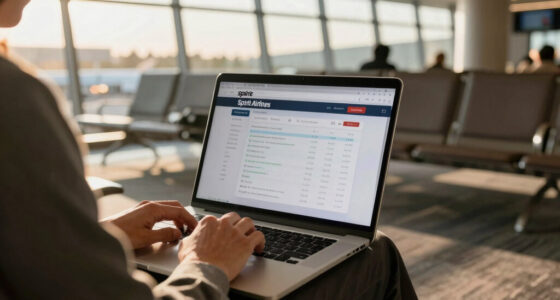
United Airlines has barred unauthorized third-party AI agents from making, modifying or servicing tickets, including when a traveler supervises or approves the software’s actions. The restriction, added to the airline’s contract of carriage on November 11, 2026, also covers purchases of products and services through United, and may affect agents accessing the airline indirectly through travel agencies or aggregators.
United said it is restricting access both on its own digital platforms and through travel agencies and aggregators. Its revised contract lists using AI agents to make, modify or service a ticket, or to purchase a product or service, as a prohibited practice. The definition reported by travel publications covers AI assistants, AI-enabled browsers and standalone agents that take autonomous or semi-autonomous actions. It does not name particular products.
The policy’s wording says the restriction applies “whether or not Passenger or another individual supervises or approves” an agent’s actions. The reported contract language allows United to cancel reservations made, modified or serviced by agents without notice. It also lists possible remedies such as invalidating tickets, charging the full ticket value, deleting miles or ending MileagePlus membership. The contract does not state whether United plans to apply every listed remedy to agent bookings.
United’s public explanation points to account security and unintended purchases. It said sharing credentials with third-party assistants could expose sensitive information, while automated actions could change accounts or use MileagePlus miles. The airline also raised concerns about compliance with FAA and Department of Transportation rules, including passenger acknowledgment of hazardous-material restrictions during purchase or check-in. The Wall Street Journal, as cited by travel industry coverage, reported that AI tools may still search for United flights and display fares; travelers would need to complete the purchase themselves.
United’s AI Policy Agents may not book flights
United bars unauthorized third-party AI agents from booking or managing tickets, even when a traveler supervises them. Travelers may use AI to search, but must complete purchases themselves.
What the rule covers
The restriction reaches ticket transactions through United and intermediaries.
Make or change tickets
Unauthorized agents may not book, modify, or service a ticket, even with traveler approval.
Buy through United
The ban also covers buying products or services through United’s channels or intermediaries.
Where AI can help
The policy draws a line between finding a flight and completing the transaction.
- Search for United flights
- Display fares
- Complete the purchase
- Manage the booking directly
Why United cites the rule
The airline points to risks from sharing credentials and automating transactions.
Third-party assistants could expose sensitive information or change accounts.
Automated actions could make purchases or use MileagePlus miles.
United raises concerns about passenger acknowledgments and regulatory compliance.
What travelers should watch
The contract lists possible remedies, but the airline has not detailed how it will enforce them.
- United may cancel reservations made, changed, or serviced by agents.
- Other listed remedies include invalidating tickets, charging their full value, deleting miles, or ending MileagePlus membership.
- Check directly with United if an agent has already changed a reservation.
AI Tools Stop Short of United Checkout
The policy draws a line between using AI as a flight-search assistant and delegating a transaction. Travelers may get help comparing schedules and fares, according to the reporting, but an agent cannot complete or manage the booking under United’s terms. That distinction matters as technology companies promote agents that can carry out multi-step tasks, including travel planning and purchases.
For customers, the immediate practical issue is who performs the transaction and what happens if an agent has already changed a reservation. The contract gives United authority to cancel agent-related reservations, while listing additional remedies. But the published text does not explain how the airline will identify agent activity, how it will handle mistaken or disputed bookings, or whether customers will receive advance notice. Those gaps matter because the rule reaches beyond a single branded assistant to a broad category of software and intermediaries.
The change also puts pressure on the emerging commercial model for AI agents. United chief executive Scott Kirby reportedly gave a business reason as well as the airline’s security and compliance rationale: he did not want to create another middleman. If an agent controls the purchase relationship, airlines may have less direct contact with customers and less control over how their fares and services are presented. That is an interpretation of the potential stakes, not a stated finding about the policy’s eventual effects.
Products Worth Considering

Apple Watch Series 12 GPS 42mm Smartwatch

Bose QuietComfort Wireless Noise-Cancelling Over-Ear Headphones, Twilight Blue

Logitech MX Keys S Combo Wireless Keyboard and Mouse, Graphite
As an affiliate, we earn on qualifying purchases.
Airlines Face a New Agent Channel
United’s revision arrives as technology companies pitch personal AI agents as tools that can search, book and manage travel. Meta chief executive Mark Zuckerberg has described travel as a “top use case” for the company’s Muse agent, according to Skift. United’s rule targets the transaction stage of that vision: an assistant can potentially help locate an itinerary, but it cannot use United’s systems to carry out the booking or related service.
Skift described United as the first U.S. airline to state such a restriction explicitly. The wider market is not following one approach. The source report says Amazon and JPMorgan Chase have blocked outside agents, while Southwest and Expedia are working with ChatGPT. Those examples indicate differing company policies, not a settled industry standard.
Use of agents to make purchases appears limited so far. The source material cites Uber as reporting four agent-booked rides in a week in which it handled about 320 million trips and orders. That is a raw count from a particular period, not a basis for calculating a market-wide adoption rate or trend. United’s rule may therefore matter less for the volume of current bookings than for the access and commercial rules being set before agent-led transactions become more common.
““United is taking steps to restrict access — directly within our digital platforms and indirectly via travel agencies and aggregators — to prohibit use by unauthorized, third-party personal AI agents or assistants.””
— United Airlines
Enforcement and Existing Tickets
How United will detect and enforce the ban is not clear from the published policy or announcement. The contract lists cancellation and other remedies, but the source reporting says it does not specify whether United intends to use all of them for agent bookings. It is also unclear how the airline will distinguish prohibited agent activity from a traveler using ordinary browsing or accessibility tools.
The scope of the regulatory rationale is disputed. United cited passenger acknowledgment of hazardous-material restrictions, while the cited federal rule requires an acknowledgment when a passenger completes purchase or check-in without another person’s involvement. Gary Leff argued the rule does not establish a general need to bar AI agents. The material provided does not include an agency interpretation resolving whether particular agent workflows comply.
The source report says the contract applies according to the terms in effect when a ticket is issued, and interprets that to mean tickets issued before November 11 fall under the earlier text. United’s handling of reservations changed by agents after that date, and the policy’s practical reach through agencies and aggregators, have not been detailed in the available material.
Watch for Booking and Agency Guidance
Travelers using an AI assistant to plan a United trip should expect to complete the booking themselves unless United provides different guidance. Anyone who has already used an agent to make or change a reservation may want to check the booking directly with the airline, since the contract says United can cancel reservations made, modified or serviced by an AI agent.
The next useful developments would be more specific guidance from United on how it will identify agent activity, how it will treat bookings made through travel intermediaries, and whether it will apply the listed remedies. Clarification from regulators could also help resolve the disagreement over how hazardous-material acknowledgment requirements relate to automated booking and check-in. No enforcement timetable or further policy milestone was specified in the source material.
Key Questions
What does United’s AI-agent policy prohibit?
United’s revised contract prohibits unauthorized third-party AI agents from making, modifying or servicing tickets and from purchasing products or services through United. Its definition covers autonomous or semi-autonomous assistants and AI-enabled browsers, including actions performed with human supervision.
Can an AI assistant still help me find a United flight?
According to The Wall Street Journal as cited in the source reporting, an assistant may still search for flights and show fares. The traveler must complete the purchase rather than delegate it to the agent.
Can United cancel a ticket booked by an AI agent?
The reported contract text says United may cancel reservations made, modified or serviced by AI agents without notice. It also lists other possible remedies, but the material does not say which remedies the airline plans to use in practice.
Does the policy apply when a person approves the agent’s actions?
Yes. The contract definition, as published by travel outlets, says it applies whether or not a passenger or another person supervises or approves the software’s actions.
Why did United introduce the restriction?
United cited risks to account security, unintended purchases and MileagePlus accounts, as well as possible conflicts with FAA and DOT requirements. Its chief executive also reportedly said he did not want to create another middleman.
Source: ThorstenMeyerAI.com