
TL;DR
A United Airlines flight from Newark to Palma de Mallorca returned to Newark after a passenger’s Bluetooth device name, allegedly ‘BOMB,’ caused a security scare. The aircraft squawked emergency code and landed early evening. The incident highlights ongoing security concerns related to electronic device threats.
A United Airlines Boeing 767-400ER returning from Palma de Mallorca to Newark made an emergency return after a passenger’s Bluetooth device name, reportedly ‘BOMB,’ triggered a security alert. The incident prompted a squawk of the emergency code and a return to Newark, where passengers were briefly detained for security checks. The event underscores ongoing concerns over electronic device threats on commercial flights.
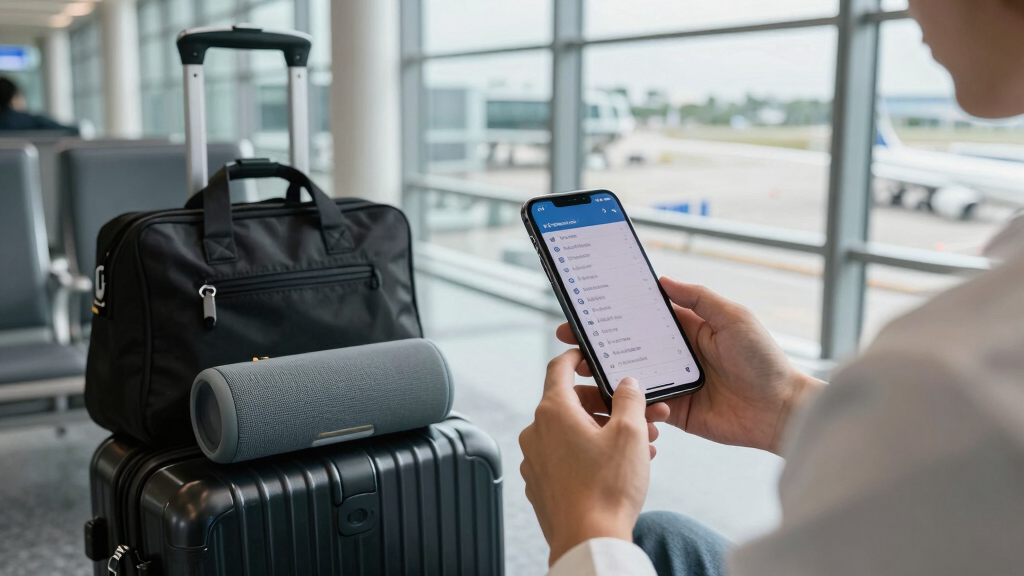
According to flight tracking data, United Flight 236 departed Newark Liberty International Airport at 6:08 PM local time and was approximately 60 minutes into its transatlantic flight when the security alert was triggered. A passenger’s Bluetooth speaker was reportedly set to a four-letter word, later identified as ‘BOMB,’ which caused the aircraft’s security systems to escalate. Flight attendants announced multiple times that passengers must turn off Bluetooth devices, but some devices remained active, leading the crew to declare a general emergency by squawking code 7700. The aircraft turned around and landed back in Newark at 8:50 PM, after nearly three hours in flight. Passengers were instructed to leave belongings on board and were met by law enforcement upon arrival. A replacement flight departed Newark around 2:30 AM with the same aircraft, heading to Palma de Mallorca, after security sweeps cleared the aircraft.
Why It Matters
This incident highlights the persistent security challenges posed by electronic devices on commercial flights. It also demonstrates how seemingly minor actions, such as setting a Bluetooth device name, can escalate into serious security responses, including emergency squawks and flight rerouting. The event raises questions about airline and airport security protocols amid increasing electronic threats and the potential for false alarms to cause significant disruptions.
Bluetooth device blocker for flights
As an affiliate, we earn on qualifying purchases.
As an affiliate, we earn on qualifying purchases.
Background
In recent months, there have been multiple incidents involving electronic devices and security threats on United Airlines flights. Earlier this month, a Wi-Fi hotspot with a provocative name prompted an FAA warning, and in April, two United flights were evacuated following bomb threat alerts. These episodes reflect heightened security vigilance and the reliance on electronic device monitoring as part of threat detection.
“The Bluetooth speaker was set to a four-letter word, later reported as ‘BOMB.’ We took immediate action to ensure safety.”
— United Airlines ground staff
“The crew announced that we had to turn off Bluetooth or the plane would turn back. Some devices stayed active despite the warnings.”
— Passenger on Reddit
airline security travel accessories
As an affiliate, we earn on qualifying purchases.
As an affiliate, we earn on qualifying purchases.
What Remains Unclear
It remains unclear who set the Bluetooth device name, whether it was intentional or a prank, and if there are any ongoing investigations into the incident. The precise security protocols followed during the event are also not publicly confirmed.
Bluetooth privacy protection device
As an affiliate, we earn on qualifying purchases.
As an affiliate, we earn on qualifying purchases.
What’s Next
Authorities are expected to review security procedures related to electronic device threats. The airline will likely conduct internal investigations, and further details about the incident may be released. Passengers on the affected flight have been briefed, and the airline may implement additional safeguards to prevent recurrence.
As an affiliate, we earn on qualifying purchases.
Key Questions
Was there an actual threat to the flight?
There is no confirmed evidence of an actual threat; the alert was triggered by a Bluetooth device name reportedly set to ‘BOMB.’
Will there be any consequences for the passenger who set the device name?
It is not yet clear if any legal or disciplinary actions will be taken against the passenger responsible for setting the Bluetooth device name.
How common are incidents like this?
While rare, electronic device threats have led to security responses on multiple flights recently, highlighting evolving security challenges.
What measures are airlines taking to prevent such incidents?
Airlines are increasing security protocols related to electronic devices, including warnings and stricter monitoring, but specific measures vary by airline.
Source: Hacker News