
TL;DR
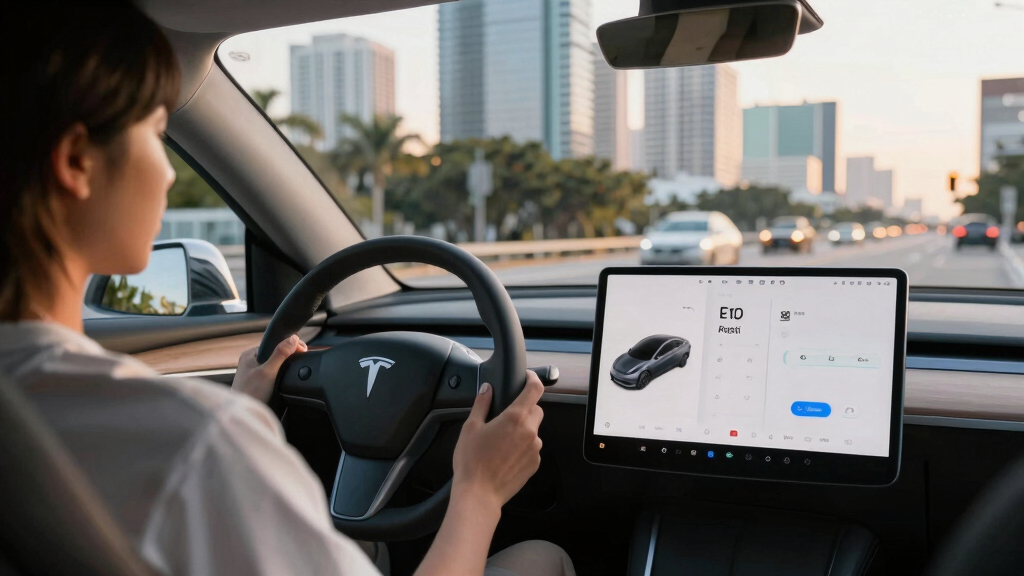
Tesla has extended its autonomous robotaxi service to a limited area in West Miami. This marks the company’s first deployment in Miami, with plans for future expansion across the city and other U.S. markets.
Tesla has expanded its robotaxi service to a small section of West Miami, marking its first operational deployment in the city. This move is part of Tesla’s broader plan to extend autonomous ride-hailing services across multiple U.S. cities, with Miami now joining locations like Austin, Dallas, and Houston.
According to posts on X, Tesla’s robotaxi service is now available in a limited area outside of Miami’s busy downtown district. Videos circulating online show Tesla vehicles operating without safety monitors and without human drivers, indicating a move toward fully autonomous operation. This deployment follows Tesla’s recent expansion of its Austin robotaxi service to cover the entire metro area last month.
While Tesla’s initial rollout in Miami is limited geographically, industry observers expect the company to broaden its coverage in the city over time. Tesla’s roadmap includes plans to introduce robotaxi services in other U.S. cities such as Phoenix, Las Vegas, Orlando, and Tampa, Florida. Notably, Miami already hosts autonomous services from Waymo and Zoox, which have begun testing and operating in the city.
Why Miami’s Robotaxi Expansion Matters Now
This expansion signifies Tesla’s continued push to develop and deploy fully autonomous ride-hailing services across major U.S. markets. It underscores Tesla’s confidence in its autonomous driving technology, despite ongoing regulatory and safety debates. For residents, it offers a new transportation option, potentially reducing congestion and providing a glimpse into the future of urban mobility.
Moreover, Tesla’s move places it in direct competition with established players like Waymo and Zoox in the Miami market, potentially accelerating the adoption of autonomous vehicles in the region. The deployment also signals Tesla’s broader ambitions to scale its robotaxi network nationwide, which could reshape how people travel in urban environments.
As an affiliate, we earn on qualifying purchases.
Tesla’s Robotaxi Roadmap and Miami’s Autonomous Market
Tesla announced plans to expand its robotaxi services across multiple U.S. cities, including Orlando, Tampa, Phoenix, and Las Vegas, as part of its broader autonomous vehicle strategy. Earlier this year, Tesla rolled out robotaxis in Dallas and Houston, gradually increasing operational areas. Miami’s entry marks a significant step, as the city already hosts autonomous services from Waymo since January and testing from Zoox.
Historically, Tesla’s robotaxi program has faced scrutiny over safety and regulatory challenges, especially regarding its approach to unsupervised autonomous operation. The recent videos showing Tesla vehicles operating without safety monitors in Miami suggest the company is testing the limits of its technology in real-world conditions, with potential regulatory implications.
“Tesla’s deployment in Miami indicates a strategic push to establish a foothold in key urban markets, but the limited initial scope suggests they are still testing operational boundaries.”
— an anonymous industry expert
As an affiliate, we earn on qualifying purchases.
Unanswered Questions About Safety and Expansion Pace
It remains unclear how long Tesla’s limited Miami deployment will last or whether the company will seek regulatory approval for fully autonomous, unsupervised operation across broader areas. Details about the safety protocols, passenger availability, and the company’s future expansion timeline are still emerging. Regulatory responses and public acceptance are also uncertain factors that could influence Tesla’s plans.
urban autonomous ride-hailing device
As an affiliate, we earn on qualifying purchases.
As an affiliate, we earn on qualifying purchases.
Next Steps in Tesla’s Miami and National Rollout
Tesla is expected to gradually expand its robotaxi coverage within Miami, potentially adding more areas and increasing operational hours. The company may seek regulatory approval for fully autonomous operation without safety drivers in more locations, depending on local authorities’ responses. Additionally, Tesla’s broader U.S. expansion plans include launching robotaxi services in Phoenix, Las Vegas, Orlando, and Tampa, with further details likely to emerge as testing and deployment progress.
As an affiliate, we earn on qualifying purchases.
Key Questions
Will Tesla’s Miami robotaxi operate without safety drivers?
Videos show Tesla vehicles operating without safety monitors in Miami, but it is not yet confirmed whether this will become the standard or if regulatory approval is required for full autonomy without safety drivers.
How does Tesla’s Miami deployment compare to other autonomous services in the city?
Miami already hosts autonomous services from Waymo and Zoox, which have been operating for months. Tesla’s deployment appears to be more experimental and may push the boundaries of current safety standards.
When might Tesla expand its robotaxi service beyond the limited area in Miami?
Expansion depends on regulatory approvals and testing outcomes. Tesla has indicated plans to broaden coverage in Miami and other cities, but specific timelines are not yet confirmed.
What safety measures are Tesla vehicles using in Miami?
Videos suggest some Tesla vehicles are operating without safety monitors, but official details about safety protocols in Miami have not been publicly disclosed.
What does this mean for autonomous vehicle regulation?
Tesla’s deployment without safety drivers could influence regulatory discussions, potentially leading to changes in laws governing autonomous vehicle operation in urban areas.
Source: Engadget