
TL;DR
As of July 1, the EU mandates that all new vehicles include a preinstalled connector for breathalyzer devices. This measure aims to cut alcohol-related traffic deaths by at least 50% by 2030. The regulation is part of the EU’s broader safety and road injury reduction strategy.
Starting July 1, all vehicles sold within the European Union must include a preinstalled interface that allows for the connection of breathalyzer ignition locks, a measure aimed at reducing drunk-driving incidents and fatalities.
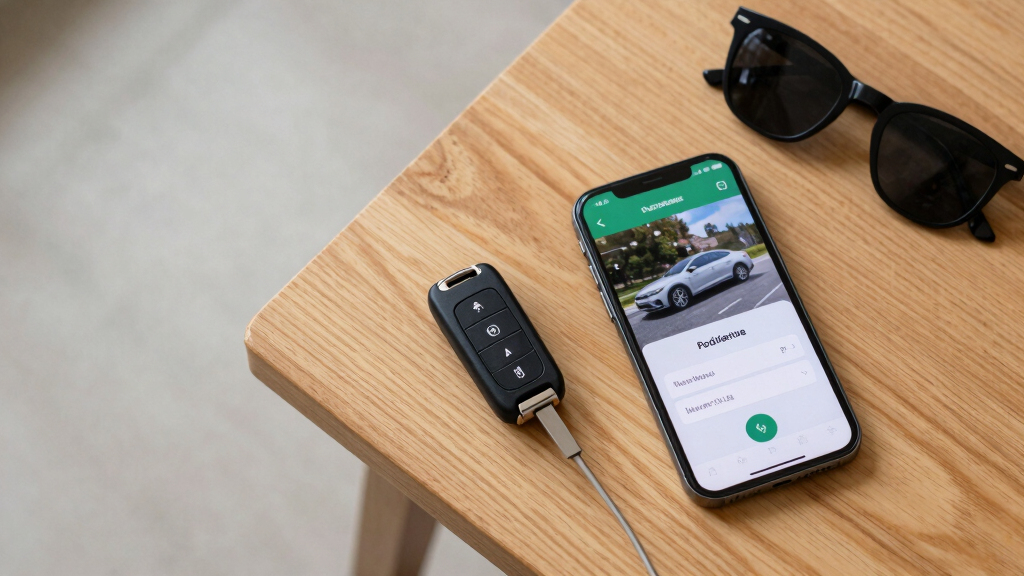
This regulation was introduced as part of the EU’s broader Vision Zero initiative, which seeks to eliminate alcohol-related traffic deaths by 2050. It requires automakers to provide an electrical connection and space inside the vehicle to facilitate the installation of an ‘alcolock’ device, which measures a driver’s breath alcohol level before starting the vehicle.
The device must meet European standard EN 50436 and hold certification from an authorized entity. If the driver’s alcohol level exceeds the legal limit, the system automatically prevents the vehicle from starting, thereby reducing the risk of drunk driving.
While the technology is already used in some European countries, primarily in programs targeting repeat offenders or professional drivers, this regulation makes it a mandatory feature for all new vehicles. Official estimates suggest that widespread adoption could reduce alcohol-related accidents by up to 65 percent.
Why It Matters
This regulation represents a significant step in EU road safety policy, potentially saving thousands of lives annually by preventing drunk driving. It also reflects a broader technological shift toward integrating safety features directly into vehicle design, aligning with other recent mandatory safety systems such as intelligent speed assist and emergency lane keeping.
For consumers, this means future vehicles will be equipped with a standardized interface for breathalyzer devices, which could become a common feature in personal transport. Policymakers see this as a practical measure to complement law enforcement efforts and technological advancements in road safety.

Portable Breathalyzer for Personal Use- Alcohol Detector with 10 Replaceable Mouthpieces, Fast & Accurate BAC Tester, LCD Digital Display for Car, Home, Party
- Fast & Accurate Results: 3-second BAC readings with high-precision sensor
- Hygienic & Reusable Mouthpieces: Includes 10 disposable mouthpieces for multiple users
- Portable & Durable Design: Shock-resistant, compact, fits in pocket or bag
As an affiliate, we earn on qualifying purchases.
As an affiliate, we earn on qualifying purchases.
Background
The EU has progressively incorporated safety and accident prevention technologies into vehicle standards since 2018, including intelligent speed assistance, event data recorders, and adaptive brake lights. The inclusion of a breathalyzer interface is the latest in this series of safety measures, following the 2019 requirement for intelligent speed limiters.
This regulation aligns with the EU’s Vision Zero strategy, launched over five years ago, which aims to drastically reduce traffic fatalities, especially those linked to alcohol consumption. Countries such as Sweden and Finland have already adopted alcohol ignition interlock systems in certain sectors, demonstrating the technology’s effectiveness.
“This new regulation is a major milestone in our efforts to eliminate alcohol-related traffic fatalities and make roads safer for everyone.”
— EU Transport Commissioner
“Mandating a standard interface for breathalyzer devices will likely accelerate innovation and adoption of alcohol interlocks in the personal vehicle market.”
— Automotive Industry Expert
EU vehicle breathalyzer connector
As an affiliate, we earn on qualifying purchases.
As an affiliate, we earn on qualifying purchases.
What Remains Unclear
It is not yet clear how quickly automakers will fully comply with the new requirements or how the market for aftermarket breathalyzer devices will evolve. Details about the specific certification process and enforcement measures are still emerging.

BACtrack Element Breathalyzer | Police-Grade | DOT & NHTSA Compliant
- Pro-Grade Accuracy: Uses professional platinum-based fuel cell sensor
- Easy One-Button Use: Simple to operate with included batteries
- DOT & NHTSA Compliant: Meets US standards for alcohol screening
As an affiliate, we earn on qualifying purchases.
As an affiliate, we earn on qualifying purchases.
What’s Next
Manufacturers must now comply with the regulation to sell new vehicles in the EU, with full implementation expected by July 1, 2024. Regulatory bodies are likely to monitor compliance and may introduce further guidelines or penalties for non-compliance. The development of certified alcolock devices and their integration into vehicles will be closely watched.
BACtrack Element Breathalyzer | Police-Grade | DOT & NHTSA Compliant
- Pro-Grade Accuracy: Uses professional platinum-based fuel cell sensor
- Easy One-Button Use: Simple to operate with included batteries
- DOT & NHTSA Compliant: Meets US standards for alcohol screening
As an affiliate, we earn on qualifying purchases.
As an affiliate, we earn on qualifying purchases.
Key Questions
Will existing vehicles be retrofitted with breathalyzer interfaces?
No, the regulation applies only to new vehicles sold within the EU from July 1, 2024. Existing vehicles are not affected unless modified by their owners or manufacturers.
Can drivers opt out of using the breathalyzer device?
In vehicles equipped with the system, the device is designed to prevent starting if alcohol is detected above the legal limit. Drivers cannot bypass this safety feature without disabling the system, which is generally prohibited and may void vehicle warranties.
Will this increase vehicle costs?
The added hardware and certification process may marginally increase vehicle prices, but the exact impact remains unclear and is likely to vary among manufacturers.
Are there exceptions for professional or commercial drivers?
While some countries already use alcohol ignition interlocks for professional drivers, the regulation applies broadly to all new vehicles. Specific exemptions are not yet detailed but may be considered in future policy updates.
Source: WIRED