📊 Full opportunity report: Youth Athlete Form Grading: A Benchmark-Based Approach on IdeaNavigator AI — validation score, market gap, and execution plan.

Get the latest gadgets delivered free with Prime
- Fast, free delivery on millions of items
- Prime Video, Amazon Music and more included
- Member-only deals all year
TL;DR

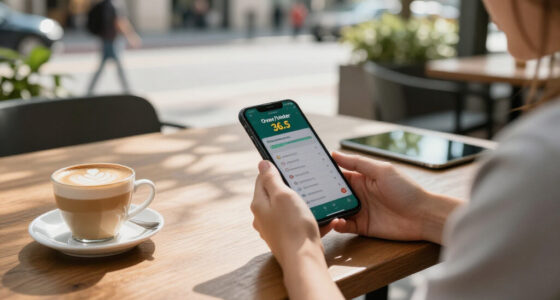
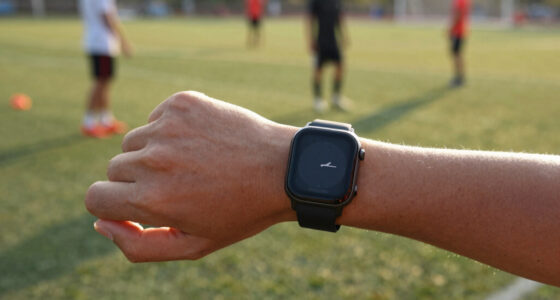
IdeaNavigator AI proposes a phone-based app that compares young athletes’ movements with pro-derived reference mechanics and recommends one drill per session. The proposal calls for a baseball-hitting pilot with certified coaches reviewing grades for 100 children; no pilot results or product launch are reported.
IdeaNavigator AI has proposed a phone-based form-grading app for young athletes, with a baseball-hitting pilot involving 100 children as its suggested first test. The proposal would compare athletes’ filmed movements with pro-derived reference mechanics and ask certified coaches to audit the app’s grades; it does not report that a product or pilot is already operating.
The proposed first customer is a parent of a young athlete practicing without a private coach. The app would record a swing, overlay the child’s movement against reference mechanics for that skill, and grade selected checkpoints. Examples in the proposal include hip rotation, release angle and stride, though it does not specify which checkpoints would apply to baseball hitting or how each would be measured.
After grading a session, the app would prescribe one drill aimed at the largest identified gap. The proposal describes the idea as a way to make feedback available to families who may not routinely pay for individual coaching. It cites private coaching at $75 to $150 per session, but provides no geographic scope, pricing study or other basis for that range.
The suggested validation is to begin with one sport—baseball hitting—and 100 children. Certified coaches would review the app’s assessments and compare them with their own. The document does not state that participants have been recruited, that coaches have agreed to take part, or that any accuracy results are available. A proposed business model would charge families a subscription for each sport, with a separate tier for coaches or teams.
Testing Feedback Without Private Coaching
If developed and validated, the proposed app could give families a way to review practice between coaching sessions, particularly when a young athlete practices without a private coach. Its suggested format—a filmed repetition, a small set of graded checkpoints and one drill—would focus feedback on a specific next action rather than attempting to replace every part of coaching.
The idea also raises a practical question for youth sports technology: whether a phone-based movement estimate can give useful, consistent guidance across children with different bodies, skill levels and filming conditions. A coach comparison could provide an initial test, but the proposal gives no evidence yet of grading accuracy, injury reduction or improved performance. Those outcomes should not be treated as established benefits.
For families, the distinction matters because a confident-looking score may influence how a child practices. The value of the product would depend not only on matching a reference motion, but also on whether the feedback is appropriate for that athlete and whether the prescribed drill is safe and useful. The outline does not explain how the app would handle pain, developmental differences or movements that coaches may reasonably teach in more than one way.
As an affiliate, we earn on qualifying purchases.
From Phone Video to Coach Review
The proposal rests on the claim that pose-estimation models can now run on phones with enough accuracy to compare a child’s mechanics with reference motion profiles. It frames that capability as a reason form feedback could be offered through a free tier. However, it provides no named model, technical evaluation, accuracy figures or details about the devices and filming setups involved. The asserted technical readiness is part of the product rationale, not a reported test result in this proposal.
The outline narrows an otherwise broad youth-sports idea to a particular user and first application: parents supporting children who practice without private coaching, starting with baseball hitting. That focus offers a proposed route to test the concept before expanding to other skills or sports. The plan’s central check is whether certified coaches agree with the app’s grades across a 100-child group, rather than relying only on the developers’ assessment.
As an affiliate, we earn on qualifying purchases.
Accuracy, Safety and Pilot Status
No product launch, completed study or pilot findings are reported. The proposal does not identify a developer, release schedule, participating coaches, recruitment process or method for selecting the 100 children. It also does not define how coach agreement would be scored, how disagreements would be handled, or what level of performance would count as a successful test.
Technical and safety details remain open. There are no reported measurements of the app’s accuracy under varied lighting, camera angles or clothing, and no explanation of how reference mechanics would account for age, physical development or individual differences. The outline also does not describe privacy protections for children’s video, data retention, parental consent or how the app would respond when a movement appears concerning. Its coaching-cost estimate and claim about phone-based model capability are not supported with further data in the proposal.
As an affiliate, we earn on qualifying purchases.
A Coach-Audited Baseball Trial
The next step set out in the proposal is to test a baseball-hitting version with 100 young athletes and have certified coaches review its grades against their own assessments. For that to produce interpretable evidence, a future pilot would need to explain how participants are recruited, which movements are graded, how coaches assess them and what agreement threshold is being used. None of those operational details or a timetable is provided yet.
If a pilot is announced, relevant updates would include whether the coaches’ assessments align with the app, how the system performs across different recording conditions, and whether families find the recommended drills usable. Until such results are reported, the concept remains a proposed product and validation plan, not a demonstrated coaching tool. The proposal also leaves open whether the family subscription and team tier would be tested as part of the pilot or considered later.
Source: IdeaNavigator AI
As an affiliate, we earn on qualifying purchases.
Key Questions
Has the youth form-grading app launched?
No launch is reported. The available outline describes a proposed product and a possible pilot, not an app currently available to families.
What would the app assess?
The proposed app would use phone video to compare an athlete’s movement with pro-derived reference mechanics and grade selected checkpoints. The outline gives hip rotation, release angle and stride as examples, but does not specify the exact baseball-hitting measures.
How would the idea be tested?
The suggested first test is a baseball-hitting pilot with 100 children, in which certified coaches audit the app’s grades against their own assessments. No pilot results or participation details are provided.
Would the app replace a coach?
The proposal describes feedback and one drill per session for athletes practicing without private coaching; it does not establish that the app can replace a coach. Its accuracy, safety and usefulness have not yet been demonstrated.
Source: IdeaNavigator AI
Halloween Picks
halloween
As an affiliate, we earn on qualifying purchases.