TL;DR

Get the latest gadgets delivered free with Prime
- Fast, free delivery on millions of items
- Prime Video, Amazon Music and more included
- Member-only deals all year
Motorola’s supplied announcement describes the Signature 27 as a forthcoming flagship and promotes its cameras, display and Snapdragon platform. It does not mention GrapheneOS, and the provided material contains no confirmation from either Motorola or GrapheneOS that the phone will support the operating system.
Motorola’s announcement of the Signature 27 describes a new flagship smartphone, but it does not confirm that the device will support GrapheneOS. The distinction matters to buyers considering the phone for a privacy-focused alternative to its preinstalled software: the source supplied for this report contains product specifications and company claims, not a GrapheneOS compatibility announcement.
In its report, Motorola, a Lenovo company, calls the Signature 27 its most advanced flagship to date. The company highlights a camera system with a 50-megapixel Sony LYTIA L910 main camera, a 200-megapixel periscope telephoto camera, a 50-megapixel ultrawide camera and a 50-megapixel front camera. It also advertises 100x Super Zoom, Dolby Vision video and a dedicated motion sensor. These are manufacturer descriptions; the supplied material does not include independent testing results or a direct assessment of GrapheneOS compatibility.
Motorola also promotes an Extreme AMOLED Duo Tandem display with up to 12,000 nits peak brightness and a Qualcomm Snapdragon 8 Elite Extreme Gen 6 platform. The company says the display is more energy efficient and longer-lived than traditional AMOLED panels, and describes a cooling system and updated antenna design. The announcement does not provide a price, full release schedule or details of the software installation options buyers will receive.
Most relevant to the headline, the supplied announcement makes no mention of GrapheneOS, an official port, device support, or discussions with the GrapheneOS project. No statement from GrapheneOS is included. The source therefore supports reporting that Motorola announced the phone and its advertised hardware; it does not support reporting that GrapheneOS support has been confirmed.
Why GrapheneOS Buyers Need Confirmation
For people choosing a phone specifically to run GrapheneOS, hardware specifications alone do not establish that the operating system will work on the device or be supported over time. A manufacturer’s flagship announcement and an independent operating-system project’s device support are separate matters. Until support is documented by the project or another reliable, attributable source, buyers should treat the Signature 27’s GrapheneOS status as unconfirmed, not as a feature promised by Motorola.
This also affects purchase decisions beyond installation. Prospective users may want to know whether the device can be supported without giving up security features, whether updates will be available, and whether any support would be official. The supplied report answers none of those questions. Its camera, display and chipset claims may interest general smartphone buyers, but they do not resolve the specific compatibility question raised by GrapheneOS.
Products Worth Considering

Samsung Galaxy Tab A11 (2026) – 8.7 90Hz Android Tablet, 64GB/4GB Wi‑Fi, Octa-core MediaTek Helio G99, Dual Dolby Speakers, 20W Fast Charger
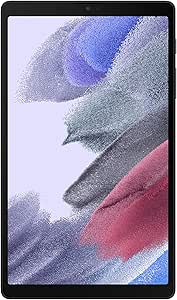
Samsung Galaxy Tab A7 Lite 8.7 32GB Wi‑Fi Android Tablet – Long‑Lasting Battery, Compact Slim Design, Sturdy Metal Frame (US Version)

Amazon Kindle Paperwhite Signature Edition, 32GB (2024), Metallic Black
As an affiliate, we earn on qualifying purchases.
Motorola’s Announcement, Not a Compatibility Notice
The source material is a Motorola product report focused on the company’s hardware and positioning of the Signature 27 as a premium flagship. It includes camera, display and processor claims, along with references to AI features, cooling and connectivity. It does not identify the phone’s exact software-support commitments or describe a relationship with GrapheneOS.
That difference is central to this report: a device being announced does not, by itself, establish support by a third-party operating system. The supplied text also does not give a publication date beyond its reference to the Signature 27, nor does it identify a launch date, sales markets or retail availability. No further timeline can be established from the provided source.
““the motorola signature 27” is “our most advanced flagship smartphone to date.””
— Motorola, in its product announcement
GrapheneOS Status Remains Unspecified
The central unanswered point is whether GrapheneOS will support the Signature 27 at all. The supplied Motorola report does not say, and it includes no comment from the GrapheneOS project. It is also unclear whether the phone will be sold with a bootloader-unlocking option or what software-update commitments Motorola will make. Those details should not be inferred from the listed chipset or other hardware specifications.
The announcement excerpt does not establish the device’s release date, price or availability by market. It also does not provide independent verification for Motorola’s performance and display comparisons. Until additional attributable information is published, readers should distinguish the confirmed product announcement from claims about specifications and from the unconfirmed suggestion of GrapheneOS compatibility.
Look for a Direct Support Statement
The next useful development would be a clear statement from the GrapheneOS project about whether it plans to support the Signature 27, alongside Motorola’s full specifications and software policy. A product listing or general claim that the phone uses a particular processor would not, on its own, establish official support.
Until such information appears, prospective buyers should verify compatibility through the operating system project’s own supported-device information and check the manufacturer’s published release and update details before purchasing for this purpose. Based on the supplied source, the phone is announced, while GrapheneOS support remains unconfirmed.
Key Questions
Has Motorola confirmed GrapheneOS support for the Signature 27?
No such confirmation appears in the supplied Motorola announcement. The source describes the phone’s hardware but does not mention GrapheneOS.
Has the GrapheneOS project announced support for the phone?
No statement from the GrapheneOS project is included in the source material. Its position cannot be established from Motorola’s product report.
What features did Motorola announce?
Motorola highlights a multi-camera system, a Tandem AMOLED display advertised at up to 12,000 nits peak brightness, and a Snapdragon 8 Elite Extreme Gen 6 platform. These are company claims in the supplied announcement.
When will the Signature 27 go on sale, and how much will it cost?
The supplied material does not state a price, retail availability or a specific release date.
Source: motorolanews.com