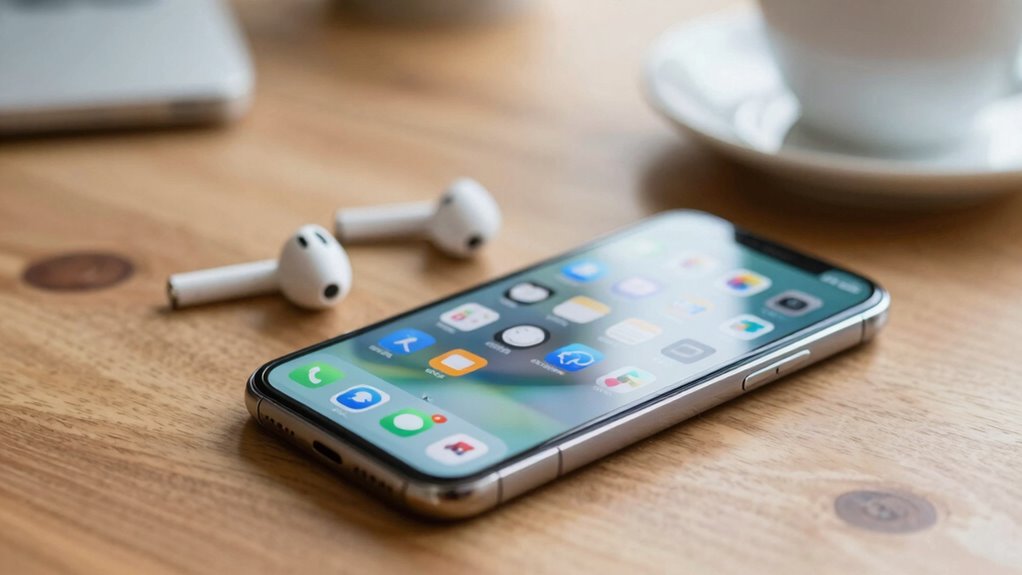

Constantly closing and reopening apps all day isn’t helpful and can even drain your battery faster. Smartphones are designed to manage background apps efficiently, so closing them often disrupts performance and wastes energy. Reopening apps uses extra power and slows your device. Instead, trusting your phone’s system to handle apps is better. Want to know the smart ways to keep your phone running smoothly? Keep exploring for more helpful tips.
Prime for Young Adults — start your free trial
Fast free delivery, streaming and member deals for eligible 18–24 year olds.
As an affiliate, we earn on qualifying purchases.
Key Takeaways
- Constantly closing apps can increase battery drain and slow down your device instead of saving power.
- Modern operating systems efficiently manage background apps without manual intervention.
- Reopening closed apps consumes extra energy and disrupts device responsiveness.
- Many background apps perform essential tasks like syncing and notifications, which are hindered when closed.
- Regularly closing apps is unnecessary; letting OS handle background processes optimizes performance and battery life.
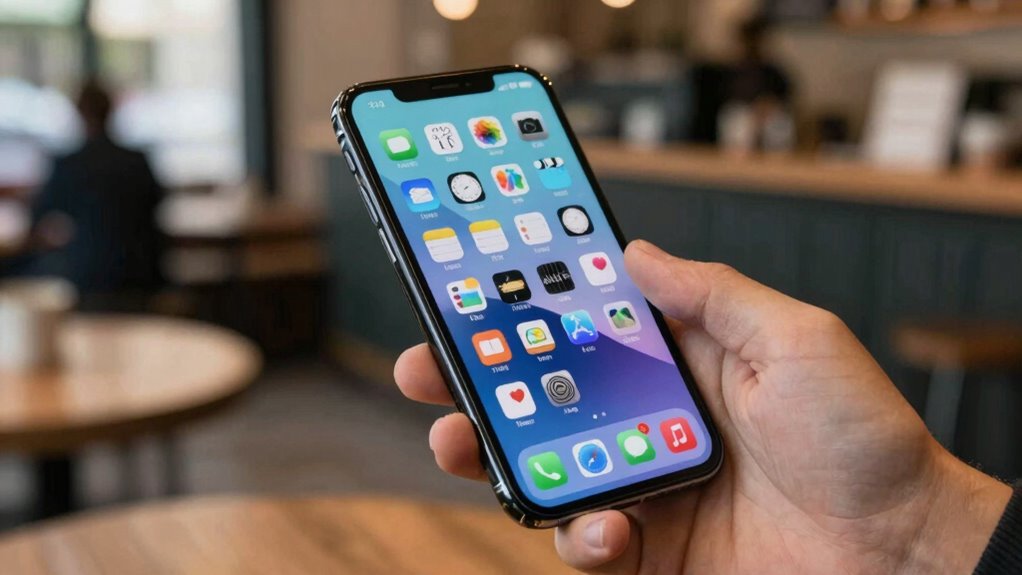
If you spend your day constantly switching between apps, you might wonder whether closing them all the time makes a difference. The truth is, most smartphones are designed to handle multiple apps running in the background without draining your battery or slowing down your device. In fact, frequently closing apps can sometimes do more harm than good. When you force-close an app, your phone has to work harder to reopen it later, which can lead to increased battery drain rather than saving power. Plus, constantly shutting down apps can negatively impact app responsiveness, making your device feel slower over time because it has to reload data and processes every time you open an app again.
You might think that closing apps will improve your phone’s performance, but that’s not usually the case. Modern operating systems are built to manage background apps efficiently, so they automatically allocate resources as needed. Keeping apps in the background doesn’t necessarily mean they’re actively draining your battery or hogging your device’s resources. Instead, most apps are suspended or limited in their activity when they’re not in use, so they aren’t consuming power or slowing your device down. By regularly closing apps, you disrupt this system, forcing your phone to restart the app from scratch whenever you reopen it. This can cause delays and make your device feel less responsive, especially if you’re switching between multiple apps throughout the day.
Furthermore, closing apps repeatedly can lead to unnecessary battery drain. When you reopen apps, your device uses additional power to load the app data again, which can negate any perceived savings from closing them earlier. On the other hand, letting apps stay in the background allows your phone to manage their activity efficiently, often resulting in better overall battery life. It’s also important to note that some apps continue to perform necessary background functions, such as syncing emails or updating notifications, even when you’re not actively using them. Closing these apps might interrupt these processes, leading to missed updates and an extra drain when you reopen them. Properly managing background activity and understanding how background app management works can help you make better decisions about when to close or leave apps open. Implementing smart operating system features designed for this purpose can further optimize your device’s performance and battery longevity.
As an affiliate, we earn on qualifying purchases.
Frequently Asked Questions
Does Closing Apps Save Battery Life Significantly?
Closing apps doesn’t save much battery life because most apps don’t consume power when running in the background. Instead, it disrupts app restart benefits, making apps take longer to reopen. Managing background activity is more effective; you can restrict background refresh and turn off unnecessary notifications. This way, you reduce background activity, conserve battery, and keep your phone running smoothly without constantly closing apps.
Can Closing Apps Improve Phone Performance?
Closing apps can improve your phone’s performance slightly by reducing background processes, but it’s not always necessary. App management is essential—only close apps if they’re unresponsive or draining resources excessively. Most phones are designed to handle background processes efficiently. Constantly closing and reopening apps may waste battery and slow things down. Focus on keeping your device updated and managing apps wisely for peak performance, rather than obsessively closing them.
Should I Close Background Apps While Using Other Apps?
You should close background apps while using other apps to boost multitasking efficiency. This helps free up memory and reduces CPU load, preventing your phone from slowing down. Effective app management strategies involve regularly closing unused apps, especially if they drain battery or cause lag. While some apps refresh automatically, actively closing those you don’t need at the moment can improve overall performance and guarantee smoother multitasking.
How Often Should I Close Apps on My Phone?
You don’t need to close apps constantly; doing so rarely boosts battery life. For better app management and battery optimization, close apps only if they’re unresponsive or draining excessive power. Regularly managing background apps helps prevent unnecessary battery drain. However, leaving apps open usually doesn’t harm your phone’s performance. Focus on updates and settings instead, as these have a bigger impact on overall battery life and device efficiency.
Are There Any Risks to Force Closing Apps Frequently?
Did you know that force closing apps frequently can actually drain your battery more? When you force close an app, it stops background processes, which might seem helpful, but it often leads to more app restart benefits later. Constantly doing this can strain your phone’s resources, potentially causing crashes or lag. So, regularly closing apps isn’t necessary and can sometimes do more harm than good for your device’s health.
phone performance optimization tools
As an affiliate, we earn on qualifying purchases.
As an affiliate, we earn on qualifying purchases.
Conclusion
So, next time you’re tempted to close all your apps constantly, remember it might do more harm than good. Imagine Sarah, who kept shutting her apps, only to notice her phone lagging and battery draining faster. Sometimes, letting apps stay open allows your phone to run smoother and conserve energy. Instead of obsessing over closing every app, trust your device’s natural handling—your phone’s smarter than you think!
As an affiliate, we earn on qualifying purchases.
As an affiliate, we earn on qualifying purchases.
Fall Picks
fall essentials
As an affiliate, we earn on qualifying purchases.