
TL;DR

Get the latest gadgets delivered free with Prime
- Fast, free delivery on millions of items
- Prime Video, Amazon Music and more included
- Member-only deals all year
Wärtsilä has demonstrated the world’s first large-scale engine operating entirely on 100% hydrogen, supplying power to Spain’s grid. This confirms the viability of hydrogen-only power generation at scale. The development advances renewable energy integration and decarbonization efforts.
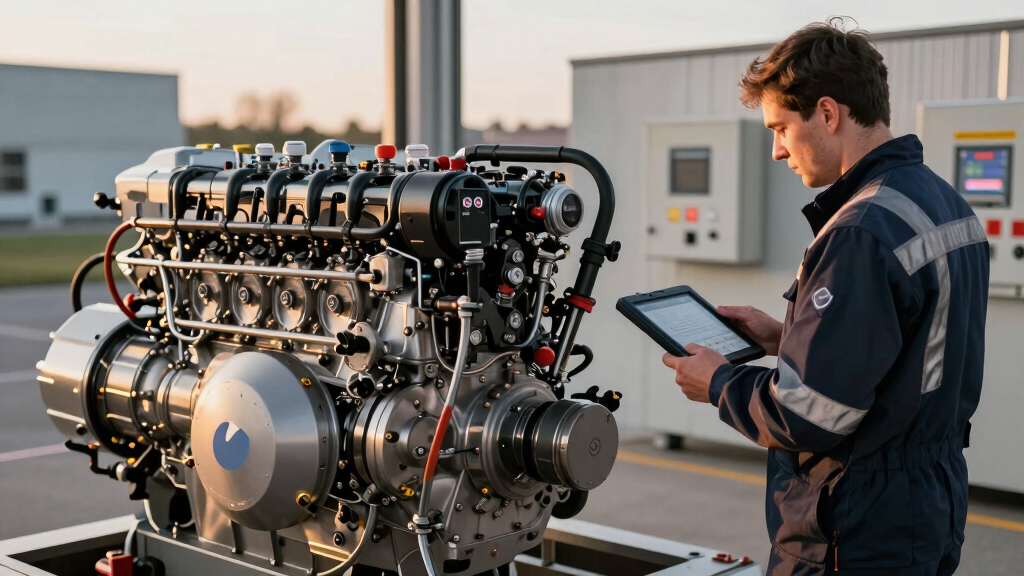
Wärtsilä has successfully operated the world’s first large-scale engine running exclusively on 100% hydrogen, supplying electricity to Spain’s national grid in Bermeo. This milestone confirms that hydrogen-only power generation is feasible at scale under real grid conditions, representing a significant step toward decarbonizing power systems.
The engine involved is Wärtsilä’s 31H2, part of the Wärtsilä 31 platform, and is currently undergoing performance validation at the Bermeo site. The trial was conducted on a large-scale engine supplied with pure hydrogen, without blending or other fuel sources, and successfully delivered power directly to Spain’s grid.
Rasmus Teir, Director of Technology Strategy & Decarbonisation at Wärtsilä, stated, “Today, our Wärtsilä 31H2 hydrogen engine is operating on 100% hydrogen and supplying power to Spain’s national grid.” The demonstration aims to showcase the potential for flexible, dispatchable power generation that can support the increasing share of wind and solar energy, which require reliable backup and balancing solutions.
Wärtsilä emphasizes that green hydrogen, produced via renewable energy, offers a zero-emission fuel source capable of providing long-duration energy storage and grid stability. The company envisions future applications extending beyond power generation, including use in energy-intensive sectors like data centers and industrial facilities, as well as off-grid systems.
Implications for Renewable Power and Decarbonization
This demonstration confirms that large-scale hydrogen-powered engines can operate reliably and efficiently, paving the way for wider adoption in power grids seeking to reduce reliance on fossil fuels. It supports the transition toward fully renewable, flexible energy systems capable of balancing variable wind and solar output.
The ability to operate on 100% hydrogen under real conditions also advances the case for green hydrogen as a key component in achieving net-zero targets, especially in regions with abundant renewable resources. The success of this trial could accelerate investments in hydrogen infrastructure and technology deployment globally, influencing energy policies and industry strategies.
Products Worth Considering

Jackery Explorer 1000 v2 Portable Power Station, 1070Wh, 1500W

Bose QuietComfort Headphones (2nd Gen), Wireless Over-Ear Noise-Cancelling Headphones, Eucalyptus Green

Samsung Odyssey G9 49-Inch Curved Dual QHD Gaming Monitor
As an affiliate, we earn on qualifying purchases.
Background on Hydrogen and Power Generation Milestones
Wärtsilä has previously worked on hydrogen-ready engines capable of operating on blends of hydrogen and natural gas, but this trial marks the first demonstration of a large-scale engine exclusively powered by hydrogen. The project aligns with broader efforts in Europe and globally to integrate green hydrogen into energy systems, driven by commitments to decarbonize power generation and industrial processes.
Spain has been actively expanding its renewable capacity and seeking innovative solutions to integrate variable renewables. The Bermeo trial builds on earlier pilot projects and signals a move toward full hydrogen-fueled power plants that could replace fossil-fuel-based generators in the future.
“This is a historic milestone in hydrogen power technology.”
— an anonymous researcher
Remaining Questions on Long-Term Performance
It is still unclear how the engine’s performance will hold over extended periods and under varying grid demands. The durability, maintenance needs, and economic viability of large-scale hydrogen engines in routine operation are yet to be fully assessed.
Further data from ongoing testing will determine whether this technology can be scaled commercially and integrated into wider energy systems without unforeseen issues.
Next Steps for Deployment and Industry Adoption
Wärtsilä plans to continue performance validation of the 31H2 engine, gathering data on efficiency, reliability, and operational costs. The company and industry stakeholders will evaluate the potential for deploying similar engines in other regions and sectors.
Regulatory frameworks, hydrogen infrastructure development, and economic analyses will influence the pace of broader adoption. The company also aims to explore applications in industrial and off-grid markets, leveraging the demonstrated technology.
Key Questions
What makes this hydrogen engine demonstration significant?
This is the first large-scale demonstration of an engine running solely on 100% hydrogen, supplying power directly to a national grid, proving the technology’s feasibility at scale.
How does this impact the future of renewable energy integration?
It provides a viable solution for balancing variable renewable output, enabling more flexible and reliable clean energy systems, and supports the transition to green hydrogen economies.
Are there any limitations or challenges remaining?
Long-term operational data is still needed to assess durability, maintenance costs, and overall economic viability of hydrogen engines in routine use.
What sectors could benefit from this hydrogen engine technology?
Beyond power generation, potential applications include industrial processes, data centers, off-grid systems, and transportation sectors that require zero-emission fuels.
What are the next steps for Wärtsilä and the industry?
Further testing, scaling efforts, and infrastructure development are planned, with industry stakeholders evaluating how to integrate hydrogen engines into broader energy systems.
Source: PV Magazine