
TL;DR
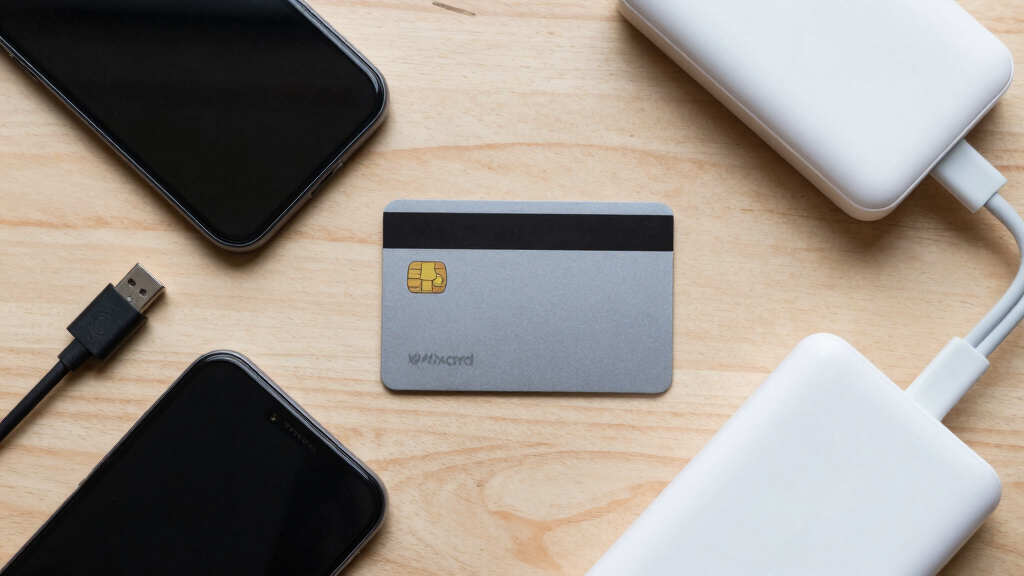
A DIY enthusiast has built a working computer the size of a credit card, featuring an ESP32-C3, e-paper display, and NFC. The project aims to create ultra-thin, portable devices for various uses like wallets, keys, and security tools.
A developer has unveiled a fully functional computer the size of a standard credit card, built around an ESP32-C3 microcontroller, an e-paper display, and NFC technology. This breakthrough pushes the boundaries of miniaturization and could enable new applications in digital wallets, security, and IoT devices.
The project, led by an individual developer, has produced a prototype that maintains the dimensions and thickness of a real credit card—approximately 1mm thick—using custom PCB fabrication and innovative assembly techniques. The prototype includes an NFC chip, a low-power e-paper display, and a microcontroller capable of running various functions, from digital wallets to security tokens.
The developer, who has shared progress updates and plans for a commercial launch, emphasized that the prototype is still in testing phases, with durability and battery life being key focus areas. The device is built with a custom flex PCB, made using DIY lithography and etching methods, to fit within the strict size constraints. The current prototype is fragile and primarily a proof of concept, but the core functionality has been demonstrated successfully.
Why It Matters
This development matters because it demonstrates the feasibility of integrating complex electronics into a form factor comparable to a standard credit card, opening possibilities for ultra-portable, secure, and multifunctional devices. Such a device could revolutionize digital wallets, physical security tokens, and IoT interfaces, offering a new level of convenience and privacy.
Moreover, the project’s DIY approach highlights how individual developers can push technological boundaries outside traditional manufacturing channels, potentially democratizing access to advanced miniaturized electronics and inspiring further innovation in the field.
DIY credit card size computer kit
As an affiliate, we earn on qualifying purchases.
As an affiliate, we earn on qualifying purchases.
Background
While several companies have developed smartcards, RFID tags, and trackers like Apple’s AirTag, actual credit card-sized computers with full functionality remain rare. Previous concepts have focused on larger or less integrated devices, but this project aims to create a fully working computer that maintains the form factor and thickness of a standard credit card. The developer’s effort follows broader trends in miniaturization and the maker community’s interest in DIY electronics, with recent advances in PCB etching, flexible electronics, and low-power microcontrollers enabling such projects.
“This is a fully working computer the size of a credit card, built with a custom PCB, NFC, and an e-paper display. The goal was to stay around 1mm thickness and preserve the look and feel of a real card.”
— the developer
“The prototype is fragile and still in testing, but the core concept works. Future iterations will focus on durability and battery life.”
— the developer
ESP32-C3 microcontroller development board
As an affiliate, we earn on qualifying purchases.
As an affiliate, we earn on qualifying purchases.
What Remains Unclear
It is not yet clear how durable the final product will be for daily use, nor what the battery life and manufacturing costs will be at scale. The project remains in prototype stages, and commercial viability has yet to be demonstrated.
e-paper display for microcontrollers
As an affiliate, we earn on qualifying purchases.
As an affiliate, we earn on qualifying purchases.
What’s Next
The developer plans to continue testing the device for durability and battery performance, with a potential commercial launch announced soon. They are also working on refining manufacturing processes and exploring additional functionalities.
As an affiliate, we earn on qualifying purchases.
Key Questions
What functions can this credit card-sized computer perform?
The prototype can run basic applications, serve as an NFC key or digital wallet, and potentially support offline password storage, 2FA, or crypto wallets. Future capabilities depend on further development.
How is the device powered?
The current prototype uses an undersized battery for testing; future versions aim to incorporate a small rechargeable battery that fits within the thickness constraints.
Is this project commercially available yet?
No, the project is still in prototype development. The developer has announced plans for a future launch and is collecting interest via sign-up channels.
What are the main technical challenges?
Key challenges include maintaining ultra-thin profile, ensuring durability, managing power consumption, and integrating all components without exceeding the size limit.
Source: Hacker News