

TL;DR
Researchers and enthusiasts are revisiting older and emerging protocols—Finger, Gopher, and Gemini—that offer decentralized, text-based, and GUI-free ways to access information. These protocols challenge the dominance of HTTPS and modern browsers, fostering alternative internet ecosystems.
Researchers and internet users are increasingly exploring alternative protocols—Finger, Gopher, and Gemini—that operate independently of mainstream browsers and HTTPS, highlighting a movement toward decentralized, text-based access to online information.

Get the latest gadgets delivered free with Prime
- Fast, free delivery on millions of items
- Prime Video, Amazon Music and more included
- Member-only deals all year
Finger, Gopher, and Gemini are protocols that predate or emerged alongside the modern web, offering minimalist, command-line interfaces for accessing information. Finger, created in 1971, was originally used to display user profiles and personal status files, serving as an early social presence indicator. Gopher, developed in 1991 at the University of Minnesota, provided a hierarchical menu system for navigating information, competing briefly with the early web before fading into obscurity. Gemini, introduced in 2019, is a modern protocol designed to be simple, secure, and text-based, supporting a small but dedicated community of users and developers.
Unlike modern browsers that rely heavily on JavaScript, CSS, and complex rendering engines, these protocols operate in terminal environments, requiring no GUIs or advanced web technologies. They are maintained by small communities that value decentralization, simplicity, and privacy. For instance, the finger protocol uses TCP port 79 to serve user profiles, while Gopher presents information through menu hierarchies. Gemini, meanwhile, uses its own protocol for accessing content, emphasizing security and minimalism.
Why It Matters
This resurgence of interest in Finger, Gopher, and Gemini reflects broader concerns about centralization, privacy, and the fragility of the current web ecosystem dominated by a handful of corporations. These protocols offer alternative pathways for information sharing that are less susceptible to commercial control, censorship, and surveillance. They appeal to users seeking low-infrastructure, privacy-preserving, and censorship-resistant online experiences, potentially shaping future discussions on internet decentralization and resilience.
Products Worth Considering

Jackery Explorer 2000 v2 Portable Power Station with Two 200W Solar Panels

Anker SOLIX C1000 Gen 2 Portable Power Station with 200W Solar Panel
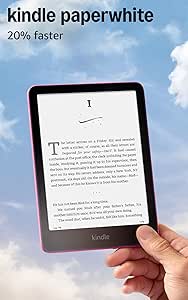
Amazon Kindle Paperwhite (12th Generation, 2024), 16GB, 7-Inch Display, Raspberry
As an affiliate, we earn on qualifying purchases.
Background
The internet’s early days saw a variety of protocols like Finger and Gopher as primary means for information sharing and social interaction. The web’s rise in the 1990s, driven by HTTP and graphical browsers, led to the decline of these protocols. Recently, the Gemini protocol has emerged as a modern revival, inspired by the desire for simplicity, security, and decentralization. This movement is partly a response to concerns over the dominance of Chromium-based browsers and the centralized control of online platforms.
“Finger was the first social media profile, a simple way to broadcast who you were to anyone interested.”
— Les Earnest, creator of Finger
“Gopher was the first viral software, capturing the imagination of users and challenging the web’s dominance.”
— Paul Lindner, Gopher developer
“Gemini aims to be a simple, secure alternative for those seeking a minimalistic browsing experience.”
— Jared M. Davis, Gemini protocol creator
What Remains Unclear
It is still unclear how widely adopted these protocols will become in the future, and whether they can sustain active communities amid the dominance of mainstream browsers and platforms. The technical limitations and user experience challenges may hinder broader adoption, and ongoing development efforts are relatively small-scale and niche.
What’s Next
Next steps include increased community engagement, development of tools and browsers supporting these protocols more seamlessly, and potential integration with existing decentralized web projects. Monitoring user interest and technological advancements will indicate whether Finger, Gopher, and Gemini can carve out more significant roles in the future of the internet.
Key Questions
Why are protocols like Finger, Gopher, and Gemini still relevant today?
They offer decentralized, privacy-focused, and simple ways to access information without reliance on complex web technologies or centralized platforms, appealing to users seeking resilience and control over their online experience.
Can I access these protocols with my current browser?
Most mainstream browsers do not natively support these protocols, but specialized clients or terminal tools can be used to connect to Finger, Gopher, and Gemini servers.
What are the main advantages of using these protocols over HTTPS?
They are lightweight, less resource-intensive, more privacy-preserving, and less susceptible to censorship or corporate control, making them suitable for niche communities and privacy-conscious users.
Are these protocols secure?
Gemini emphasizes security through its design, requiring TLS encryption, while Finger and Gopher lack built-in encryption, making them less secure unless used over secure channels.
Will these protocols replace the web?
Currently, they serve as alternative or complementary systems rather than replacements, mainly appealing to niche communities and enthusiasts interested in decentralization and minimalism.
Source: Hacker News