
TL;DR

Get the latest gadgets delivered free with Prime
- Fast, free delivery on millions of items
- Prime Video, Amazon Music and more included
- Member-only deals all year
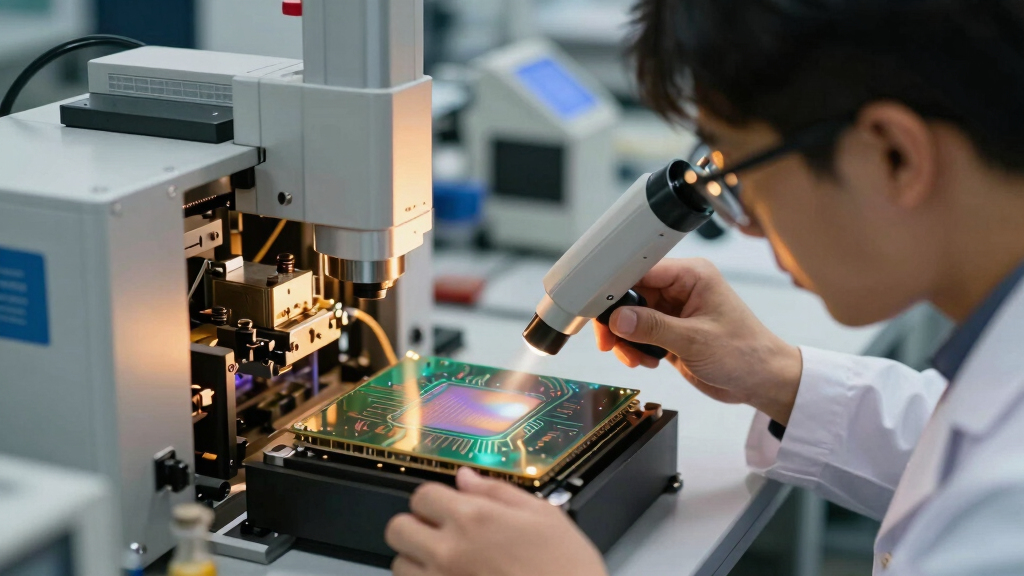
Texas Instruments is boosting its in-house production of foundational semiconductors in Japan, Malaysia, and the U.S. to support the rapid growth of AI infrastructure. This move aims to secure supply chains amid increasing global demand for analog chips used in AI systems.
Texas Instruments is expanding its manufacturing operations in Japan, Malaysia, and the United States to increase in-house production of foundational semiconductors crucial for AI infrastructure, a senior executive confirmed to Nikkei Asia.
The company, the world’s largest producer of analog chips, is investing in new manufacturing facilities and expanding existing ones to meet the rising demand for semiconductors used in sensing, controlling, powering, and connecting AI systems. The expansion aims to reduce reliance on external suppliers and secure a stable supply chain amid global chip shortages and rising AI deployment. The move follows Texas Instruments’ strategic focus on producing ‘foundational’ semiconductors, which are essential components in AI hardware but are distinct from high-performance computing chips.
According to the executive, the expansion includes new facilities and increased capacity at existing plants in Japan and Malaysia, with additional investments in the U.S. This effort aligns with broader industry trends where semiconductor manufacturers are ramping up production to support AI infrastructure growth, which is expected to accelerate over the next few years.
Why It Matters
This development is significant because it indicates a strategic shift by Texas Instruments to strengthen its position in the AI supply chain. As AI applications become more widespread across industries, the demand for analog semiconductors—used in sensors, power management, and connectivity—continues to surge. By ramping up in-house manufacturing, Texas Instruments aims to mitigate supply chain disruptions and capitalize on the expanding AI market, which could influence industry dynamics and supply chain stability.
Products Worth Considering

Anker SOLIX C200 DC Portable Power Station, 192Wh, 200W

Apple iPad Air (2025) 13‑inch Wi‑Fi 256 GB – Space Gray (M3 chip)

Jackery Explorer 300 Portable Power Station, 292Wh
As an affiliate, we earn on qualifying purchases.
Background
Over the past few years, global semiconductor supply chains have faced disruptions due to geopolitical tensions, pandemic-related delays, and increased demand from AI applications. Texas Instruments, known for its analog chips, has historically relied on external manufacturing but is now shifting toward greater self-sufficiency. The company’s expansion efforts come amid a broader industry trend where chipmakers are investing heavily to meet the rising demand driven by AI, IoT, and other advanced technologies.
“We are expanding our manufacturing footprint in Japan, Malaysia, and the U.S. to ensure we can meet the growing demand for foundational semiconductors essential for AI infrastructure.”
— a senior executive at Texas Instruments
What Remains Unclear
Details about the specific scale of the expansion, the timeline for new facilities becoming operational, and the exact capacity increases remain unclear. It is also uncertain how these investments will impact the company’s overall market share and supply chain resilience in the longer term.
What’s Next
Texas Instruments is expected to announce further details about the expansion plans, including timelines and investment figures, in upcoming quarterly reports or industry briefings. Monitoring these developments will clarify how quickly the increased capacity will come online and how it will influence the global supply chain for AI-related semiconductors.
Key Questions
What types of semiconductors is Texas Instruments focusing on?
Texas Instruments is focusing on ‘foundational’ analog semiconductors used for sensing, controlling, powering, and connecting devices in AI infrastructure.
Why is this expansion important for the AI industry?
The expansion aims to secure a stable supply of essential semiconductors amid rising demand for AI systems, reducing reliance on external suppliers and mitigating supply chain disruptions.
Where are the new manufacturing facilities being built?
The facilities are being expanded or established in Japan, Malaysia, and the United States, as confirmed by Texas Instruments.
When will the new capacity be operational?
Specific timelines for the new manufacturing capacity becoming operational have not been disclosed; further announcements are expected in the coming months.