
TL;DR

Get the latest gadgets delivered free with Prime
- Fast, free delivery on millions of items
- Prime Video, Amazon Music and more included
- Member-only deals all year
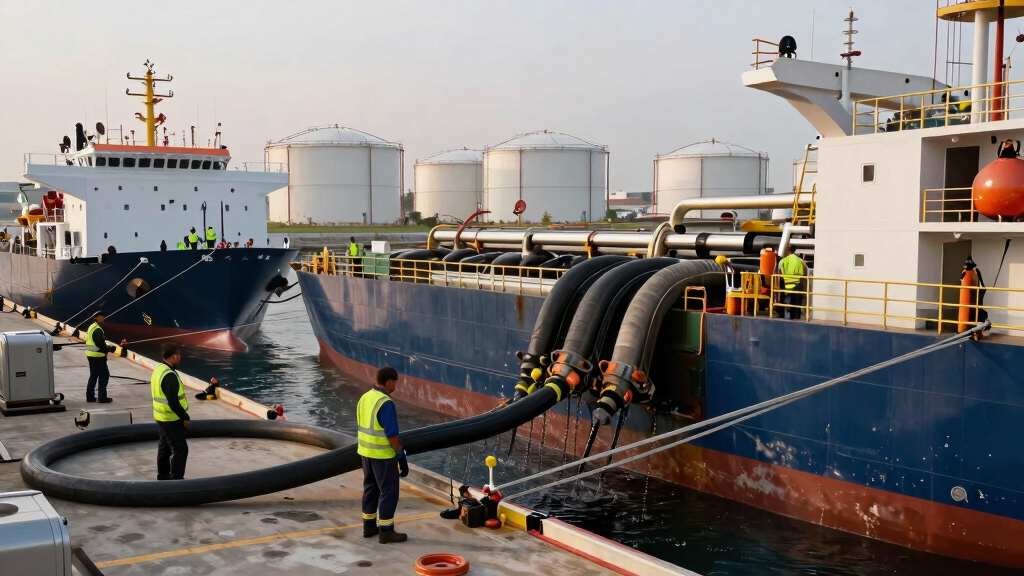
Japanese oil wholesalers have increasingly used ship-to-ship transfers off Malaysia and India to receive Middle Eastern crude oil, with about half of such imports adopting this method from March to May. This development raises questions about transparency and import practices.
Japan’s oil importers have increasingly relied on ship-to-ship transfers off Malaysia and India to receive Middle Eastern crude oil, with about half of such imports during March to May conducted through this method, according to a Nikkei investigation.
The investigation found that roughly 50% of the tankers carrying Middle Eastern crude to Japan during this period engaged in ship-to-ship transfers at foreign ports, primarily off Malaysia and India. This method involves transferring oil between ships at sea, often to obscure the origin or bypass certain regulations. The practice appears to be a response to increasing regulatory scrutiny and trade restrictions. The tankers involved are operated by foreign companies, and the transfers are not always clearly disclosed to Japanese authorities or customs officials. The investigation was based on vessel tracking data and interviews with industry sources, although specific companies and ships involved have not been publicly identified.
Why It Matters
This development highlights potential gaps in transparency surrounding Japan’s oil imports, which could have implications for energy security and regulatory oversight. The use of ship-to-ship transfers may be aimed at avoiding sanctions, taxes, or import restrictions, raising concerns about the ability of authorities to monitor the origin and legality of imported crude. Given Japan’s reliance on Middle Eastern oil, these practices could influence market dynamics and policy responses, especially amid geopolitical tensions in the region.
As an affiliate, we earn on qualifying purchases.
Background
Japan imports about 3 million barrels of crude oil daily, with a significant portion originating from the Middle East. Historically, oil imports are tracked through official port records and customs filings. However, recent reports suggest increasing use of ship-to-ship transfers at foreign ports, which can complicate transparency and traceability. The practice has gained attention amid broader concerns about sanctions evasion and illicit trade in the region. Previous instances of similar transfer practices have been reported but were less widespread; the current investigation indicates a notable rise in such activities from March 2026.
“The shift to ship-to-ship transfers at foreign ports reflects a strategic move by traders to obscure the origin of crude oil and possibly avoid sanctions or taxes.”
— Yuki Keshiba, industry analyst
“While we are aware of some transfer activities, the full extent and the specific ships involved remain unclear due to limited reporting and transparency issues.”
— A Japanese customs official
As an affiliate, we earn on qualifying purchases.
What Remains Unclear
It is not yet clear how widespread this practice will become in the coming months, nor whether authorities will implement measures to restrict or monitor ship-to-ship transfers more effectively. The identities of the vessels involved and the precise motives behind these transfers are still under investigation.
As an affiliate, we earn on qualifying purchases.
What’s Next
Authorities in Japan and neighboring countries are expected to increase scrutiny of vessel movements and cargo documentation. Further investigations may reveal more details about the scale and intent of these transfer activities, and policymakers could consider new regulations to enhance transparency and prevent illicit trade.
As an affiliate, we earn on qualifying purchases.
Key Questions
Why are ship-to-ship transfers used instead of direct port deliveries?
Ship-to-ship transfers can be used to obscure the origin of crude oil, avoid sanctions, or bypass regulatory and customs checks, making it a strategic choice for traders seeking to conceal the source of their imports.
How does this practice affect Japan’s energy security?
It introduces uncertainties about the origin and legality of imports, potentially complicating efforts to ensure reliable and transparent energy supplies.
Are these transfers illegal?
Not necessarily. The practice itself is legal in many jurisdictions but can be used for illicit purposes, such as sanctions evasion or tax avoidance. The legality depends on compliance with international and national regulations.
Will authorities take action against this practice?
It remains to be seen. Authorities may increase monitoring and enforcement, but the effectiveness of such measures will depend on available intelligence and international cooperation.
Fall Picks
fall essentials
As an affiliate, we earn on qualifying purchases.