
TL;DR

Get the latest gadgets delivered free with Prime
- Fast, free delivery on millions of items
- Prime Video, Amazon Music and more included
- Member-only deals all year
AMD is bringing back support for memory encryption on Ryzen 9000 CPUs through a BIOS update in July. The feature, previously removed, enhances memory security but was disabled in firmware for non-PRO models.
AMD will re-enable support for memory encryption on Ryzen 9000 desktop processors through a BIOS update in July, responding to community feedback after previously removing the feature.
The feature, known as Transparent Secure Memory Encryption (TSME) or Memory Guard, was previously available on Ryzen 9000 CPUs but was disabled in the AGESA 1.2.7.0 firmware update earlier this year. AMD confirmed to Tom’s Hardware that support for TSME will be reinstated in non-PRO Ryzen 9000 processors via a BIOS update scheduled for July.
AMD clarified that TSME remains a core security feature on its Ryzen PRO lineup and has no plans to remove support from these models. The company stated that the decision to reintroduce support on consumer CPUs was driven by feedback from the user community, despite the feature’s limited impact on typical consumer security needs.
Implications of Restoring Memory Encryption Support
The return of memory encryption support enhances security for users concerned about cold boot attacks, where physical access allows data extraction from RAM. Although it’s not a critical feature for most consumers, its reintroduction demonstrates AMD’s responsiveness to security concerns and community input.
This development may influence perceptions of AMD’s commitment to security and could impact future firmware policies across AMD’s product lines, especially as hardware security features become more prominent in consumer computing.
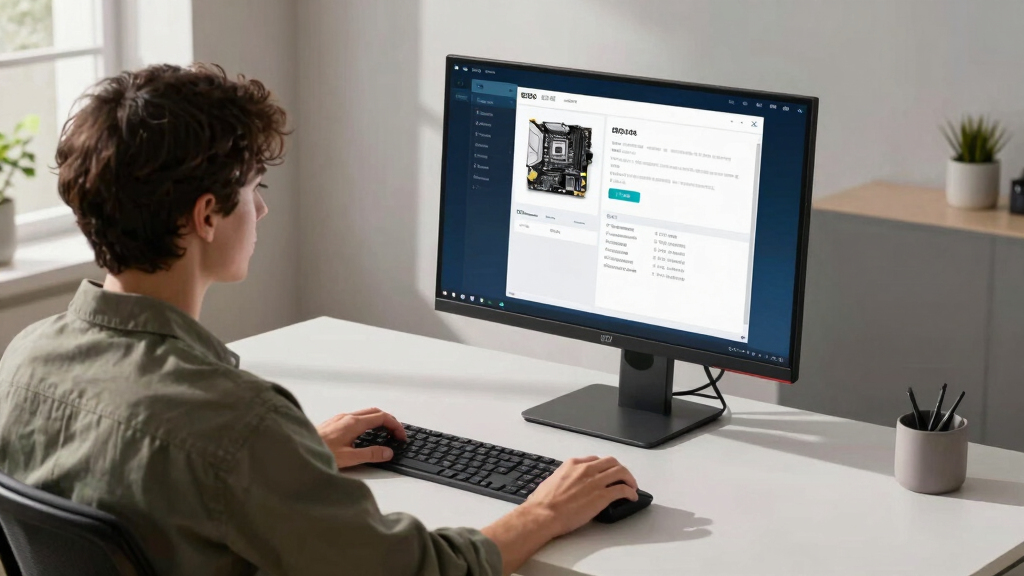
AMD Ryzen 9000 motherboard BIOS update
As an affiliate, we earn on qualifying purchases.
As an affiliate, we earn on qualifying purchases.
Background of AMD’s Memory Encryption Policy Changes
AMD introduced support for TSME on Ryzen 7 3700X in 2020, positioning it as a security feature for certain processors. However, earlier this year, AMD quietly removed the feature from Ryzen 9000 CPUs with the release of AGESA 1.2.7.0, without explicit public communication. The removal was believed to be a firmware-level decision, possibly to differentiate the PRO lineup from consumer models.
Security researcher Ben Kilpatrick discovered the removal during a security audit, prompting AMD to respond with limited comments. AMD initially did not clarify whether the removal was intentional or temporary, leading to speculation about firmware policies and security priorities.
“We take the security of our customers’ data very seriously. AMD Memory Guard (TSME) is a foundational security feature for Ryzen PRO processors, and we have no plans to remove support from our PRO lineup. The recent BIOS update will reinstate support for non-PRO Ryzen 9000 processors based on community feedback.”
— AMD spokesperson
Memory encryption security tools for PC
As an affiliate, we earn on qualifying purchases.
As an affiliate, we earn on qualifying purchases.
Remaining Questions About Memory Encryption Support
While AMD has confirmed the upcoming BIOS update for Ryzen 9000 CPUs, it is not yet clear whether all motherboard vendors will implement the feature or if there are any hardware limitations. Details about the specific security implications for typical users and whether other Ryzen models will follow suit remain unconfirmed.
Ryzen 9000 compatible RAM modules
As an affiliate, we earn on qualifying purchases.
As an affiliate, we earn on qualifying purchases.
Next Steps for AMD Ryzen 9000 Users and BIOS Updates
The BIOS update scheduled for July will likely be rolled out across compatible motherboards. Users should monitor their motherboard vendors for firmware releases that enable Memory Guard support. AMD’s official communications and community forums will be key sources for updates on the rollout and any additional security features.
Secure memory encryption software
As an affiliate, we earn on qualifying purchases.
As an affiliate, we earn on qualifying purchases.
Key Questions
Will all Ryzen 9000 CPUs support memory encryption after the update?
According to AMD, support will be reinstated for non-PRO Ryzen 9000 processors via a BIOS update scheduled for July. Support on PRO models remains unchanged.
Why was memory encryption support removed in the first place?
AMD’s initial removal of support in AGESA 1.2.7.0 was not explicitly explained, but it appears to have been a firmware-level decision, possibly to differentiate PRO and consumer SKUs. AMD later stated the removal was not intended to be permanent.
Does this mean AMD is prioritizing security more now?
The reintroduction of memory encryption support indicates AMD’s responsiveness to community feedback and security concerns, although the feature’s impact on typical consumer security is limited.
Will enabling Memory Guard affect system performance?
Memory encryption features like TSME generally introduce minimal performance overhead, but specific impacts on Ryzen 9000 CPUs after enabling support are not yet detailed.
Is this feature available on all motherboard brands?
Support depends on motherboard vendors releasing BIOS updates that enable Memory Guard. Users should check with their motherboard manufacturers for availability.
Source: Tom’s Hardware: For The Hardcore PC Enthusiast
Fall Picks
fall essentials
As an affiliate, we earn on qualifying purchases.