
TL;DR

Get the latest gadgets delivered free with Prime
- Fast, free delivery on millions of items
- Prime Video, Amazon Music and more included
- Member-only deals all year
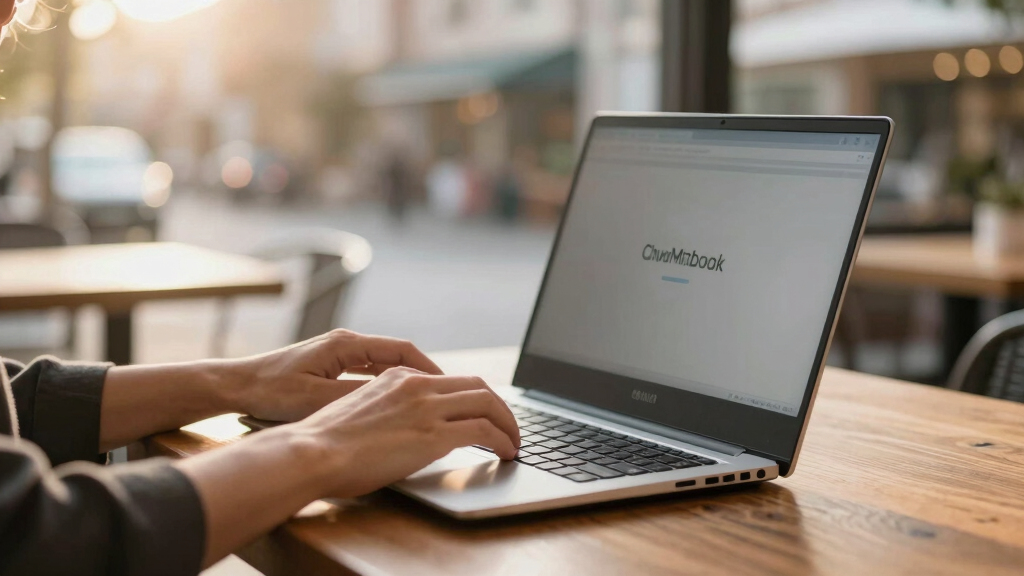
Chuwi has released the Minibook X, a 10.5-inch sub-ultrabook with 16GB RAM, a 512GB NVMe drive, and Linux compatibility. It offers a portable, budget-friendly option for Linux enthusiasts and those seeking a lightweight device.
The Chuwi Minibook X, a 10.5-inch sub-ultrabook with high-end specs, has been officially launched, offering a compact, Linux-friendly device at an accessible price point. This development matters because it reintroduces a form factor similar to the discontinued netbooks, appealing to users seeking portability and flexibility in 2026.
The Minibook X features a 4-core/4-thread Intel N150 Twin Lake processor running at 3.6GHz, 16GB of soldered LPDDR5-6400 RAM, and a 512GB NVMe SSD that is user-upgradable. Its 10.51-inch IPS 2K 16:10 display and 28.88Wh battery contribute to its portability, weighing just 912 grams. The device includes two USB-C ports, one supporting Power Delivery, and runs Linux well despite some quirks, such as screen rotation issues that require manual software adjustments.
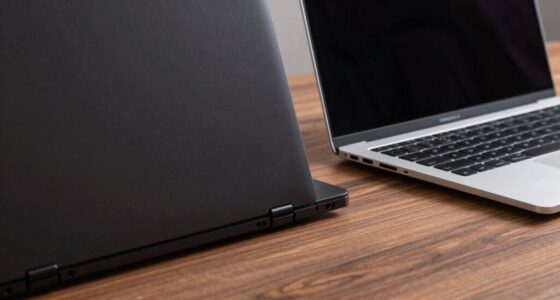
Build quality is solid, with a MacBook-esque aluminum case, and thermal performance and battery life surpass expectations for a device of this size and price. Benchmarks like Geekbench6 show performance that exceeds initial assumptions, with a single-core score of 1,295 and multi-core of 3,332. Wi-Fi 6 speeds reach 424 Mbps, and the battery can last around six hours during continuous use. However, the device’s screen quality and keyboard are subpar, with the screen having a low refresh rate and the keyboard registering keystrokes only when pressed precisely in the center.
Why It Matters
The Minibook X’s release is significant because it offers an inexpensive, portable Linux-compatible laptop that challenges the notion that netbooks are obsolete. Its specs and build make it suitable for experimentation, development, or casual use, especially among Linux users seeking a lightweight device. This could influence future mini-laptop designs and revive interest in ultra-portable computing in 2026.
As an affiliate, we earn on qualifying purchases.
Background
Netbooks dominated the portable computing market in the late 2000s but faded due to the rise of tablets and ultraportables. In 2026, the demand for small, inexpensive laptops persists among hobbyists and Linux enthusiasts. The Chuwi Minibook X revives this niche with modern hardware, reflecting a trend toward affordable, customizable devices. Previous efforts to create Linux-friendly small laptops have often faced hardware compatibility issues, but the Minibook X demonstrates that such devices can be both functional and practical.
“The Minibook X scratches the same itch as old netbooks but with modern specs and Linux compatibility.”
— Hacker News user
“It’s surprisingly capable for its size, with good thermal performance and battery life.”
— Hacker News user
“The screen and keyboard are underwhelming, but for the price, it’s impressive.”
— Hacker News user
As an affiliate, we earn on qualifying purchases.
What Remains Unclear
Details about long-term hardware durability, widespread Linux support, and potential software updates remain unclear. The screen rotation fix is a workaround, not a hardware solution, and user experiences may vary.
As an affiliate, we earn on qualifying purchases.
What’s Next
Manufacturers may release updated firmware or hardware revisions addressing current limitations. Community-driven Linux support and software optimizations are likely to improve usability. Further reviews and user feedback will clarify its place in the portable computing landscape.
As an affiliate, we earn on qualifying purchases.
Key Questions
Can the Minibook X run Windows?
While primarily designed for Linux, Windows installation is theoretically possible but not officially supported. Compatibility and driver issues may arise.
Is the battery life sufficient for daily use?
Battery life of around six hours during continuous use suggests it can handle typical daily tasks, but heavy workloads may reduce this duration.
How upgradeable is the Minibook X?
The SSD is user-upgradable; however, RAM is soldered and not replaceable.
What are the main limitations of this device?
The screen’s refresh rate and quality, keyboard responsiveness, and audio quality are notable drawbacks. Software workarounds are needed for optimal Linux use.
Source: Hacker News
Fall Picks
fall essentials
As an affiliate, we earn on qualifying purchases.