
TL;DR
The FDA approved bemotrizinol, the first new chemical sunscreen filter since 1999, promising more effective and stable sun protection in the US. This could help combat misinformation and improve skin health.
The U.S. Food and Drug Administration (FDA) has approved bemotrizinol, also known as Tinosorb S, as a new chemical sunscreen filter for the first time since 1999, marking a major development in American sun protection products. This approval is expected to lead to the availability of more effective, stable, and user-friendly sunscreens across the country, addressing longstanding issues with American formulations and potentially reducing misinformation about sunscreen safety.
Last week, the FDA approved bemotrizinol, a broad-spectrum chemical sunscreen ingredient that offers enhanced stability and protection against UVA and UVB rays. The approval follows decades of limited innovation in US sunscreen formulations, which have lagged behind international counterparts in terms of effectiveness and user experience.
Historically, American sunscreens have suffered from issues such as white casts, sticky textures, and chemical odors, leading many Americans to avoid regular use despite the high prevalence of skin cancer. The new ingredient, bemotrizinol, is used widely in Europe, Asia, and Australia, and is recognized as safe and effective (GRASE). It is less likely to be absorbed into the bloodstream due to its molecular size, addressing safety concerns raised in recent years about older chemical filters.
This development comes amid ongoing misinformation campaigns on social media, where anti-sunscreen content has gained traction, often claiming that sunscreens cause cancer or are inherently unsafe. Experts note that misinformation is a significant factor in the declining sunscreen use among young people, despite evidence showing that sun protection reduces skin cancer risk.
Potential Impact on US Sun Protection and Misinformation
The approval of bemotrizinol is a significant step toward improving sunscreen efficacy in the US, potentially reducing skin cancer rates by encouraging more consistent use. Its stability and broad-spectrum protection address longstanding gaps in American formulations, aligning US standards more closely with international markets.
Moreover, this approval could help counter anti-sunscreen misinformation by providing a scientifically backed, safer, and more effective ingredient. As misinformation fuels risky behaviors like tanning bed use and neglect of sun safety, better products and clearer public messaging could improve overall skin health outcomes.

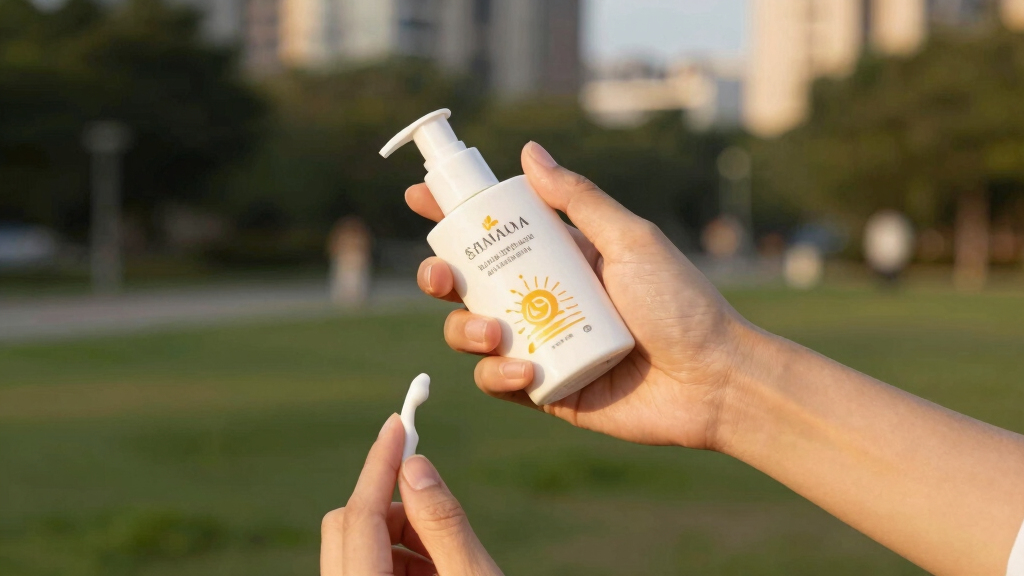
Sunscreen With Bemotrizinol, Broad Spectrum SPF 50 Sunscreen-1PC
- SPF 50 Broad Spectrum Protection: Provides high-level sun protection for daily use
- Lightweight, Fast-Absorbing Formula: Glides on smoothly and absorbs quickly
- Oil-Free Vegan Formula: Suitable for face and body, hydrates skin
As an affiliate, we earn on qualifying purchases.
As an affiliate, we earn on qualifying purchases.
Historical Limitations of US Sunscreens and Recent Regulatory Changes
For over two decades, US sunscreens have been limited to a small set of approved chemical filters, mainly avobenzone, oxybenzone, and others, which often lack stability and broad-spectrum efficacy. Meanwhile, international markets have adopted newer, more effective filters like Tinosorb S, which offer enhanced protection and user experience.
In 2019 and 2021, the FDA requested more safety data on chemical filters after studies found some were absorbed into the bloodstream. This led to increased scrutiny and a push for mineral sunscreens like zinc oxide and titanium dioxide, which are deemed safe but can have aesthetic drawbacks. The recent approval of bemotrizinol signals a shift toward embracing newer chemical filters that meet safety and efficacy standards.
“The approval of bemotrizinol is a game-changer for American sun protection. It offers better stability and broad-spectrum coverage, which means more effective protection for consumers.”
— Dr. Jane Smith, Dermatologist
US approved sunscreens with Tinosorb S
As an affiliate, we earn on qualifying purchases.
As an affiliate, we earn on qualifying purchases.
Remaining Questions About Implementation and Public Perception
It is not yet clear when and how quickly bemotrizinol-based products will reach the US market, or how consumers and manufacturers will respond. Additionally, public awareness and acceptance of the new ingredient, especially amid ongoing misinformation, remain uncertain.
Further, regulatory processes for specific formulations and labeling standards are still to be finalized, which could influence product availability and marketing claims.

Neutrogena Ultra Sheer Dry Touch Sunscreen Lotion, SPF 70, 3 fl. oz
- Lightweight, fast-absorbing formula: Broad spectrum SPF 70 for skin
- Non-comedogenic and oil-free: Matte finish, soft-touch feel
- Enriched with antioxidant vitamin E: Provides UVA/UVB protection
As an affiliate, we earn on qualifying purchases.
As an affiliate, we earn on qualifying purchases.
Next Steps for Manufacturers and Public Education Campaigns
Manufacturers are expected to begin formulating and submitting new sunscreen products containing bemotrizinol for FDA approval and market release within the next year. Public health campaigns may also focus on educating consumers about the safety and effectiveness of the new ingredient to combat misinformation.
Monitoring of product availability, consumer feedback, and potential regulatory updates will be key in the coming months to ensure the benefits of this approval are fully realized.

Blue Lizard SENSITIVE Mineral Sunscreen with Zinc Oxide, SPF 50+, Water Resistant, UVA/UVB Protection with Smart Cap Technology – Fragrance Free, 3 oz. Tube
- Powerful Mineral Sunscreen: Protects sensitive skin from UV rays
- SPF 50 Broad Spectrum: Water-resistant, blocks up to 98% UVB rays
- Formulated for Sensitive Skin: Hypoallergenic, fragrance-free, paraben-free
As an affiliate, we earn on qualifying purchases.
As an affiliate, we earn on qualifying purchases.
Key Questions
When will new sunscreens with bemotrizinol be available in stores?
It is expected that products containing bemotrizinol will begin appearing in the US market within the next 12 to 18 months, pending formulation approvals and regulatory processes.
Is bemotrizinol safe for all skin types?
Yes, bemotrizinol has been deemed safe and effective (GRASE) by the FDA and is widely used in international sunscreens. However, individuals with specific allergies should consult product labels.
Will this change how Americans view sunscreen use?
Potentially. Improved formulations and increased awareness about new ingredients could encourage more consistent sunscreen use, reducing skin cancer risks. Public education efforts will play a crucial role.
Does this mean mineral sunscreens are no longer preferred?
No. Mineral sunscreens like zinc oxide remain safe and effective, especially for sensitive skin, but the new chemical filter provides an additional, more stable option for formulators and consumers.
Source: The Verge