
TL;DR

Get the latest gadgets delivered free — and shop member deals
- Fast, free delivery on millions of items
- Access to Prime Big Deal Days deals on October 6–7
- Prime Video, Amazon Music and more included
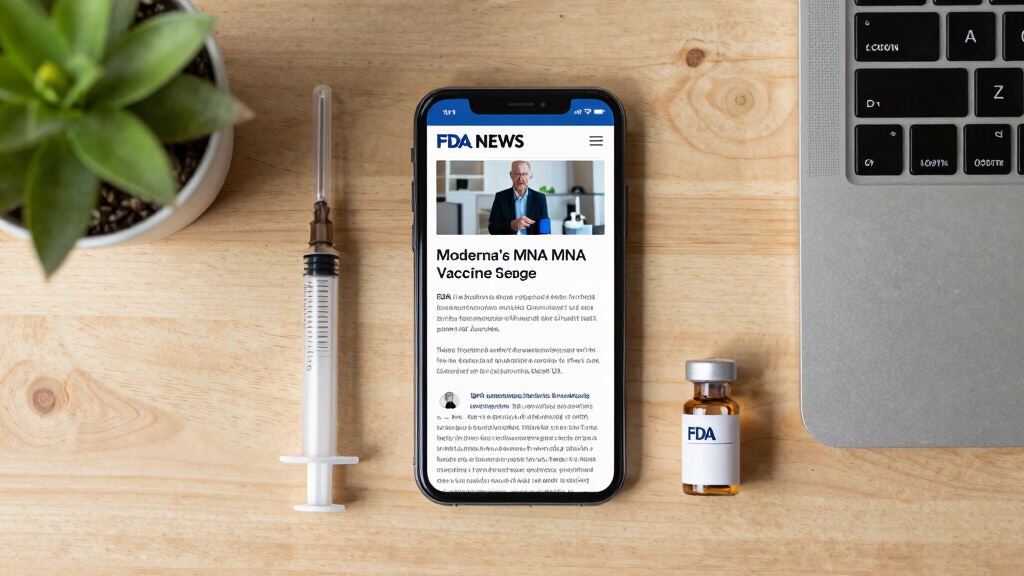
FDA advisory committee unanimously recommended approval of Moderna’s mRNA flu vaccine, mRNA-1010, after a contentious review process. The decision now awaits final FDA approval, with potential impact on flu prevention strategies.
FDA advisory committee members unanimously voted 9-0 to recommend approval of Moderna’s mRNA-based seasonal flu vaccine, mRNA-1010, after a review process marked by prior agency controversy. This recommendation is a key step toward potential approval, which could influence future flu vaccination strategies in the US.
The Vaccines and Related Biological Products Advisory Committee (VRBPAC) reviewed data from Moderna’s Phase 3 trials involving over 40,000 adults aged 50 and older, showing the vaccine was approximately 27 percent more effective than standard flu shots. Additional data from nearly 3,000 participants aged 65 and older indicated the vaccine elicited stronger immune responses than high-dose flu vaccines, which are recommended for this age group. The safety profile was deemed acceptable by the committee.
This positive vote follows a period of controversy at the FDA, where a Trump-appointed official initially refused to review Moderna’s application, citing concerns over trial design. The decision was later reversed after widespread criticism, allowing the review process to proceed. Moderna expressed satisfaction with the committee’s support and emphasized the potential of its mRNA platform to improve flu prevention.
Why This FDA Vote Could Transform Flu Vaccines
The committee’s unanimous support signals strong scientific backing for Moderna’s mRNA flu vaccine, which could lead to its approval and availability later this year. This development may mark a shift toward more effective and adaptable flu vaccines, leveraging mRNA technology proven in COVID-19 vaccines. If approved, the vaccine could enhance seasonal flu prevention, especially among older populations, and improve preparedness for emerging strains or pandemics.
As an affiliate, we earn on qualifying purchases.
Background on Moderna’s mRNA Flu Vaccine Development and FDA Controversy
Moderna’s mRNA-1010, branded as mFlusiva, has been in development as a next-generation flu vaccine using the same mRNA platform as its COVID-19 vaccines. The vaccine showed promising efficacy in large-scale trials, with data indicating improved immune responses and protection. However, the approval process faced setbacks earlier this year when a Trump-era FDA official refused to review the application, citing concerns over trial comparability to high-dose vaccines in older adults. The decision was widely criticized and later overturned, allowing the review to proceed. This controversy underscored ongoing tensions within the FDA regarding vaccine approval standards and the influence of political appointees.
“The studies presented today were very well conducted, with clear and robust results demonstrating efficacy.”
— an anonymous FDA scientist
seasonal flu vaccine for seniors
As an affiliate, we earn on qualifying purchases.
As an affiliate, we earn on qualifying purchases.
Remaining Questions About Final FDA Approval and Implementation
While the VRBPAC vote was unanimous, the final decision rests with the FDA, which has set a deadline of August 5. It is not yet confirmed whether the FDA will approve the vaccine, though the committee’s support is a strong indicator. Additionally, the status of CDC recommendations remains uncertain, as ongoing legal disputes have temporarily blocked the CDC’s advisory committee from functioning, potentially delaying widespread adoption.
As an affiliate, we earn on qualifying purchases.
Next Steps Toward Vaccine Approval and Public Availability
The FDA is expected to make a final decision on the approval of Moderna’s mRNA flu vaccine by August 5. If approved, Moderna plans to release the vaccine later this year. Subsequently, the CDC’s Advisory Committee on Immunization Practices will review and issue recommendations, which are critical for insurance coverage and public uptake. Legal challenges to CDC advisory processes could influence the timeline for widespread use.
As an affiliate, we earn on qualifying purchases.
Key Questions
Will Moderna’s mRNA flu vaccine be available this year?
If the FDA approves the vaccine by August 5, Moderna has indicated it aims to release it later this year, pending CDC recommendations.
How does this vaccine differ from current flu shots?
It is based on mRNA technology, which allows for faster development and potentially higher efficacy compared to traditional flu vaccines.
What are the main concerns about the approval process?
The process was delayed earlier this year due to political interference, and legal disputes are currently affecting CDC advisory committee functions, which could impact vaccine rollout.
Is the vaccine safe for older adults?
Data from trials involving participants aged 65 and older showed the vaccine produces stronger immune responses than high-dose vaccines, with an acceptable safety profile.
What is the significance of the committee’s support?
The 9-0 vote indicates strong scientific consensus, increasing the likelihood of final approval and adoption in upcoming flu seasons.
Source: Ars Technica
Fall Picks
fall essentials
As an affiliate, we earn on qualifying purchases.