📊 Full opportunity report: Daily AI Check-Ins Bring Caregiving Into The Conversation on IdeaNavigator AI — validation score, market gap, and execution plan.

Get the latest gadgets delivered free with Prime
- Fast, free delivery on millions of items
- Prime Video, Amazon Music and more included
- Member-only deals all year
TL;DR

IdeaNavigator AI has proposed testing scheduled AI phone calls as a daily check-in for independent seniors who live alone. Its suggested pilot would involve 15 senior-and-adult-child pairs over three weeks, but no trial results or evidence of effectiveness are provided.
IdeaNavigator AI has proposed a three-week test of scheduled AI phone calls that check in on seniors living alone and send an adult child a text when a call is missed or raises concern. The proposal is aimed at families whose older relatives live independently in another city; it describes a product idea and validation plan, not a service already shown to be operating or effective.
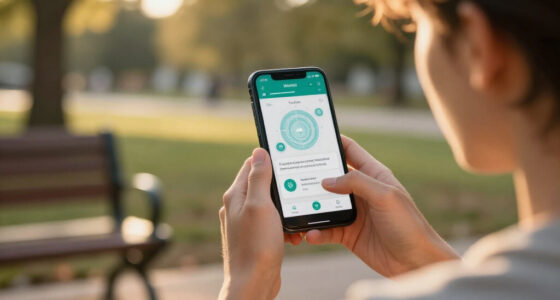
The proposed minimum product would place a daily call to a senior’s landline or mobile phone, ask a few wellness questions and send the adult child either a simple all-clear message or an alert if the call is missed or the answers are concerning. The listing does not specify the questions, how the system would judge a response, or what steps would follow an alert.
IdeaNavigator AI frames the intended customer as the adult child of an independent senior living in another city. It suggests charging that customer a monthly subscription for each parent receiving calls. The proposed market is aging-in-place wellness and family reassurance, rather than a stated medical monitoring or emergency-response service.
To test whether families would use and pay for the idea, the listing recommends setting up calls for 15 senior-and-adult-child pairs over three weeks. It proposes measuring how often seniors answer and whether families consider the all-clear alerts worth paying for. No results, participating families, pricing, or launch schedule are reported.
A Routine Check, Not Emergency Care
The proposed calls would give families a routine signal that a parent has answered without requiring the adult child to make a daily call. The proposal says text alerts are intended to notify relatives when a scheduled check-in is missed or raises concern.
An answered call and reassuring responses would not, by themselves, confirm that a person is safe, while a missed call could have many explanations. The proposal offers no evidence that the calls identify falls, illness or other emergencies, and it does not describe a response service.
The proposal does not specify how consent, privacy and access to information would be handled. Seniors would need information about the calls and alerts, and families would need clarity about what is collected, stored and shared. Those details are not set out in the proposal.
Products Worth Considering

DJI Osmo Mobile 8 Phone Gimbal with Mic Mini Transmitter, Infinity Black

Logitech MX Master 4 for Mac, Ergonomic Bluetooth Mouse with Haptic Feedback, Ultra-Fast Scrolling, USB-C Charging, for MacOS, iPadOS, Windo

Logitech MX Keys S Wireless Keyboard, Graphite
As an affiliate, we earn on qualifying purchases.
How the Proposed Pilot Would Work
The concept addresses the concern that adult children may worry about an older parent who lives alone but cannot call every day. The listing says a fall or difficult day could go unnoticed without a routine check-in, but provides no data on how often such incidents occur.
IdeaNavigator AI cites natural-sounding voice AI as a reason a short automated phone conversation may be affordable at scale. This is the listing’s rationale; it provides no independent information about cost, call quality or senior acceptance. The suggested pilot would examine answer rates and family willingness to pay.
The proposed workflow consists of a scheduled call, a few questions and a text to the adult child. The listing does not describe integration with health providers, emergency services or other monitoring devices. It also does not state that the idea has been built, tested or approved for clinical use.
Key Questions Before a Trial
No pilot findings are available, so it is not yet clear whether seniors would answer daily, find the calls comfortable, or prefer another form of contact. The proposed 15-pair, three-week test could offer early feedback, but the listing does not explain how participants would be recruited or whether that small group would reflect broader use.
The service’s safety boundaries are also unspecified. It is unclear what qualifies as a concerning answer, how repeated missed calls would be handled, whether anyone would follow up, or how quickly an alert would reach the family member. The listing does not say whether the system would contact emergency services, and readers should not assume that it would.
Other unanswered questions include subscription price, call language and accessibility options, data retention, consent procedures and how the system would handle a wrong number or a change in a senior’s routine. There is no stated company, product launch, confirmed funding or deployment plan in the proposal.
Pilot Results Would Test Demand
The next stated step is to run the proposed three-week test with 15 family pairs and review answer rates and willingness to pay. No start date or recruiting details are given. If conducted, the pilot could provide information about whether participants use the call-and-text routine and whether adult children report willingness to pay for it.
Further development would need to specify how concerning responses and missed calls are handled, what the alerts mean, and how participants’ information is protected. The concept remains a proposed wellness check-in workflow; no trial outcomes or evidence that it safeguards seniors living alone are reported.
Source: IdeaNavigator AI
Key Questions
Has the daily AI check-in service launched?
The IdeaNavigator AI listing describes a proposed product and pilot. It provides no launch date or evidence that a service is operating.
How would the proposed calls work?
The suggested system would call a senior each day, ask a few wellness questions and text an adult child an all-clear or an alert after a missed or concerning call. The exact questions and follow-up process are not specified.
How many people would take part in the proposed test?
The listing recommends a three-week pilot involving 15 senior-and-adult-child pairs. It does not say that the pilot has taken place.
Would the calls detect emergencies or summon help?
The proposal does not establish that the system can detect emergencies or contact emergency services. It describes check-in calls and text alerts, with no confirmed response service.
Source: IdeaNavigator AI