
TL;DR

Get the latest gadgets delivered free with Prime
- Fast, free delivery on millions of items
- Prime Video, Amazon Music and more included
- Member-only deals all year
New developments in brain signal monitoring technology could enable early detection of health and safety risks for consumers. Experts see potential for this to become a major safety tool, pending further validation.
Brain signal monitoring technology is emerging as a potential tool for early detection of consumer health and safety risks. While still in development, recent advances suggest this could become a key component in regulatory and corporate safety protocols, offering real-time insights into physiological responses linked to contaminants, toxins, or health threats.
Multiple research groups and tech firms are exploring the use of non-invasive brain signal monitoring devices to detect subtle changes in neural activity associated with exposure to harmful substances or environmental hazards. These devices aim to provide a role-specific, real-time alert system for safety and compliance leaders within consumer health and food companies.
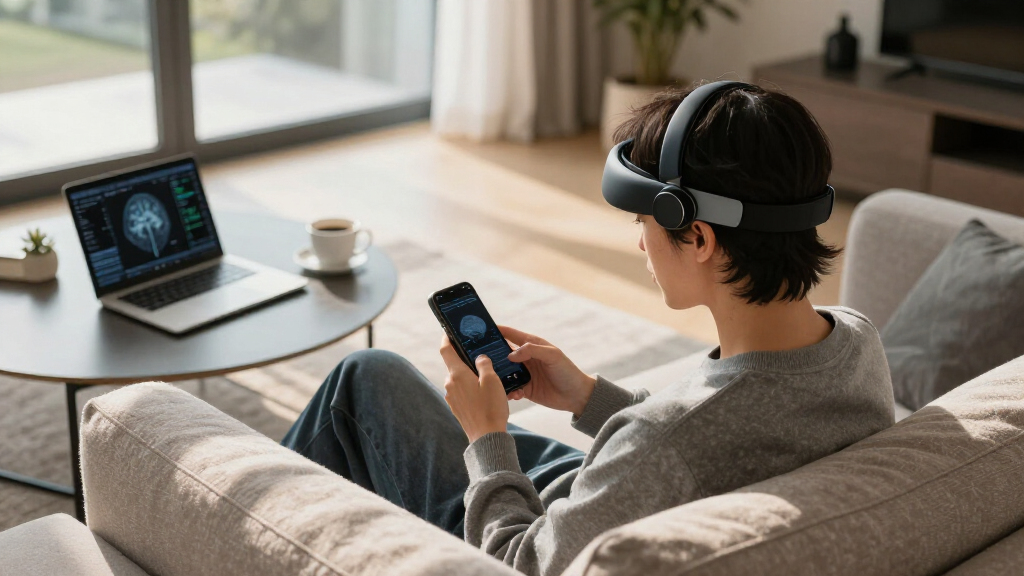
One promising approach involves wearable EEG sensors that track brain activity patterns, which are then analyzed through machine learning algorithms to identify signals indicative of stress, toxin exposure, or other health-related anomalies. The technology is still in pilot phases, but initial tests have shown the potential for early warning capabilities.
According to sources familiar with the development, this approach could address a longstanding challenge: the scattered and delayed nature of current safety signals, which often emerge from news reports, forums, or regulatory filings long after the initial risk appears. A role-filtered, real-time alert system could enable companies to act swiftly, potentially preventing harm before widespread exposure occurs.
Some industry experts compare this potential shift to how rapid diagnostic tests revolutionized medical screening, emphasizing the importance of early detection in consumer safety management. However, they also note that technical validation, regulatory approval, and ethical considerations remain significant hurdles before widespread adoption.
Potential Impact on Consumer Safety Protocols
If successfully developed and validated, brain signal monitoring could transform how consumer health risks are detected and managed. Real-time neural data could serve as an early indicator of exposure to contaminants, toxins, or other hazards, allowing companies and regulators to intervene proactively. This shift could reduce incidents of illness, contamination, or product recalls, ultimately protecting consumers and reducing economic losses for companies.
Moreover, this technology could fill critical gaps in current safety systems, which often rely on delayed signals from testing, reporting, or consumer complaints. Early neural indicators might enable a more dynamic, responsive safety infrastructure, aligning with broader trends toward personalized and precision safety management.
However, privacy concerns and ethical questions around neural data collection and use are likely to influence regulatory frameworks and industry acceptance, making careful oversight essential.
wearable EEG sensors for health monitoring
As an affiliate, we earn on qualifying purchases.
As an affiliate, we earn on qualifying purchases.
Advances and Challenges in Brain Signal Monitoring
Research into brain signal monitoring has accelerated over the past decade, driven by improvements in wearable sensors, data analysis algorithms, and understanding of neural responses to environmental stimuli. Historically, such technology has been confined to clinical or research settings, but recent innovations aim to adapt it for real-world applications, including consumer safety.
In 2023, pilot programs in select industries began exploring the use of EEG-based wearables to detect stress or toxin exposure in workers, with some promising results. These early efforts suggest that neural responses can serve as sensitive, early indicators of adverse health effects, potentially before symptoms manifest.
Despite this progress, significant hurdles remain. Validating the accuracy and reliability of these signals in diverse environments, addressing privacy and ethical concerns, and navigating regulatory approval processes are ongoing challenges. Experts emphasize that broad deployment will require robust standards and stakeholder collaboration.
Additionally, critics caution against overreliance on neural data without comprehensive understanding of its implications, underscoring the need for cautious, evidence-based development.
“Brain signal monitoring has the potential to be a game-changer for early detection of health risks, but we are still in the early stages of validation.”
— an anonymous researcher
As an affiliate, we earn on qualifying purchases.
Unverified Aspects and Developmental Uncertainties
It remains unclear how accurately brain signal monitoring can detect specific hazards related to consumer safety across diverse real-world environments. Validation studies are ongoing, and regulatory pathways are not yet defined. Ethical concerns about neural data privacy and consent also pose significant challenges that could delay or limit deployment.
Furthermore, it is not yet confirmed whether this technology can reliably distinguish between benign neural responses and those indicative of actual health threats, which is critical for practical application.
non-invasive neural activity tracker
As an affiliate, we earn on qualifying purchases.
As an affiliate, we earn on qualifying purchases.
Next Steps in Validation and Regulatory Approval
Researchers and developers plan to conduct larger-scale validation studies to assess the accuracy, reliability, and ethical viability of brain signal monitoring for safety purposes. Simultaneously, discussions with regulators are expected to clarify approval pathways, especially concerning data privacy and consumer rights.
Industry adoption will likely depend on successful pilot results, demonstration of clear benefits, and development of standards for neural data handling. Companies and regulators are closely monitoring these developments to determine whether this technology can become a core part of safety protocols within the next few years.
As an affiliate, we earn on qualifying purchases.
Key Questions
How soon could brain signal monitoring be used in consumer safety?
While early-stage pilots are promising, widespread use in consumer safety is likely several years away, pending validation, regulatory approval, and ethical frameworks.
What types of hazards could brain signal monitoring detect?
Potentially, it could detect exposure to toxins, environmental hazards, or physiological stress responses linked to contaminants or other health threats.
Are there privacy concerns with neural monitoring?
Yes, collecting neural data raises significant privacy and ethical issues, including consent and data security, which must be addressed before broad deployment.
Who would oversee the use of brain signal data in safety applications?
Regulatory agencies, industry standards bodies, and ethical review boards will likely play key roles in overseeing neural data use for safety purposes.
Could this technology replace current safety monitoring systems?
It is unlikely to replace existing systems entirely but could complement them by providing early, neural-based signals that enhance overall safety responses.
Source: IdeaNavigator AI
Columbus Day / Indigenous Peoples' Day Picks
long weekend sales
As an affiliate, we earn on qualifying purchases.