

TL;DR

Get the latest gadgets delivered free with Prime
- Fast, free delivery on millions of items
- Prime Video, Amazon Music and more included
- Member-only deals all year
A developer created WhisperPad, a dictation app designed to reduce hand strain, but Apple rejected its update for using the accessibility API in a non-standard way. The developer is exploring alternative distribution methods. The case highlights ongoing issues around API use and accessibility rules.
Apple rejected an update to WhisperPad, a Mac dictation app designed to assist users with hand injuries, citing improper use of the accessibility API under Guideline 2.4.5. The developer, who created the app to reduce hand strain, now faces challenges in distributing the app through the App Store, raising questions about API restrictions and accessibility guidelines.
The developer of WhisperPad, a Mac app that transcribes voice into text locally to help users with repetitive strain injuries, reported that Apple rejected an update in April 2024. The rejection was based on Guideline 2.4.5, which restricts how apps can use the accessibility API. Despite earlier versions being approved, the latest update was denied because Apple deemed the app’s use of the API as not conforming to intended accessibility purposes. The developer explained that WhisperPad injects transcribed text into other applications to minimize keystrokes, which is especially important for users with injuries. After appealing, the developer received a second rejection, prompting a decision to split the app into two versions: one on the Mac App Store, which limits auto-pasting and requires manual pasting, and another distributed directly to users with full functionality. This approach aims to comply with Apple’s guidelines while maintaining the app’s core features.
Why It Matters
This case underscores ongoing tensions between app developers seeking to create accessibility tools and Apple’s strict API guidelines. It raises broader questions about how accessibility APIs are interpreted and enforced, especially for apps that serve users with disabilities or injuries. The developer’s experience highlights potential barriers to innovation and accessibility support within the Apple ecosystem, and the decision to split the app reflects a possible workaround but also a compromise that may affect user experience.
Products Worth Considering

Bose QuietComfort True Wireless Earbuds with Active Noise Cancellation, Black

Bose QuietComfort Headphones (2nd Gen), Wireless Over-Ear Noise-Cancelling Headphones, Black
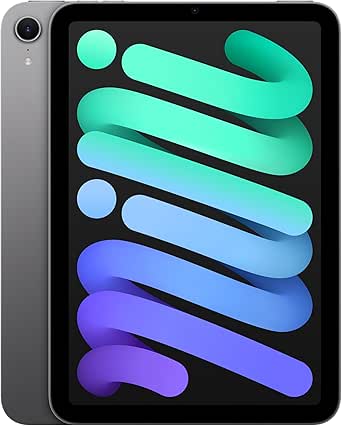
Apple iPad mini (A17 Pro), 128GB, Wi-Fi 6E, Space Gray
As an affiliate, we earn on qualifying purchases.
Background
Apple’s App Store guidelines have historically been strict about API use, particularly concerning accessibility features. Guideline 2.4.5 has been interpreted as restricting apps from injecting text into other applications unless explicitly approved for accessibility purposes. WhisperPad was built to help users with hand injuries by transcribing voice locally and injecting text directly into other apps, a process previously approved in earlier versions. The developer’s rejection and subsequent split of the app into two versions reflect ongoing debates about the boundaries of API use and accessibility support in the Apple ecosystem. This incident follows a broader pattern of developers encountering challenges when their tools intersect with Apple’s policies, especially around accessibility and security.
“Apple’s position was that I was using the accessibility API in a way that wasn’t an accessibility use, which contradicts earlier approvals of the same functionality.”
— the developer
“I explained that WhisperPad functions as an accessibility tool to help reduce hand strain, but Apple responded that they would review it further, then rejected again.”
— the developer
“This case reveals the tension between innovation in accessibility tools and Apple’s strict API policies, which could hinder developers aiming to serve users with disabilities.”
— industry analyst
What Remains Unclear
It remains unclear whether Apple will reconsider the app’s status or clarify the guidelines around API use for accessibility tools. The developer is exploring alternative distribution methods, but the long-term resolution of API restrictions for such apps is still uncertain.
What’s Next
The developer plans to release a version of WhisperPad on the Mac App Store with limited functionality, requiring manual pasting, while continuing to develop a fully functional version for direct distribution. Apple’s stance on API use and accessibility guidelines may also evolve in response to this case.
Key Questions
Why did Apple reject WhisperPad?
Apple rejected WhisperPad because it used the accessibility API to inject transcribed text into other applications, which the company deemed not an approved accessibility use under Guideline 2.4.5.
Can the app still be used or distributed?
The developer can distribute WhisperPad outside the App Store through direct channels, but the version on the App Store has limited functionality to comply with Apple’s guidelines.
Why is this rejection significant?
This case highlights potential conflicts between accessibility support and app store policies, which could impact developers creating tools for users with disabilities.
Will Apple change its guidelines?
It is not yet clear whether Apple will revise its API policies or provide clearer guidance for accessibility-focused apps, leaving the future uncertain.
Source: Hacker News