
TL;DR

Get the latest gadgets delivered free — and shop member deals
- Fast, free delivery on millions of items
- Access to Prime Big Deal Days deals on October 6–7
- Prime Video, Amazon Music and more included
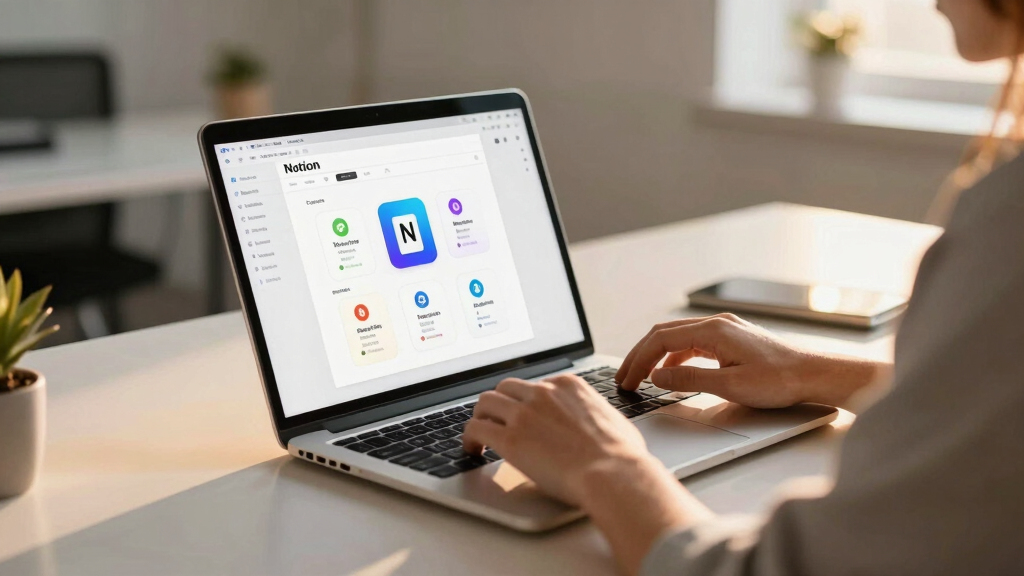
Notion announced a new developer platform that allows teams to build, deploy, and connect AI agents within its workspace. This shift positions Notion as a programmable hub for AI-driven workflows, moving beyond basic note-taking.
Productivity software maker Notion has launched a new developer platform that transforms its workspace into a hub for AI agents, allowing teams to build, deploy, and connect custom AI tools across their workflows.
During a live-streamed product announcement on Wednesday, Notion revealed its new platform that extends the capabilities of its existing AI agents, known as Custom Agents, which have seen over one million created since launch. The new platform introduces a cloud-based environment called Workers, enabling users to run custom code securely and deploy it within Notion, facilitating data synchronization, automation, and custom tool creation without relying on external infrastructure.
Additionally, the platform supports syncing data from external sources such as Salesforce, Zendesk, and Postgres via APIs, allowing Notion databases to serve as a central hub for live data. Notion also announced support for external AI agents like Claude Code, Cursor, Codex, and Decagon, with plans to add more, and introduced an External Agent API for custom integrations. The system can be accessed via the Notion CLI, available on Business and Enterprise plans.
Why It Matters
This development signals a major strategic shift for Notion, positioning it as a programmable platform for AI-driven workflows rather than just a note-taking app. It aligns with broader industry trends where productivity tools evolve into core infrastructure for automation and AI integration, potentially impacting how teams automate knowledge work and build internal AI systems.
As an affiliate, we earn on qualifying purchases.
Background
In February, Notion launched its Custom Agents, which handle repetitive tasks but had limitations in connecting with external data and logic. Prior to this update, users relied on third-party automation or custom scripts. The new platform addresses these gaps, making Notion more developer-focused and capable of serving as an orchestration layer for AI and data workflows, a move that reflects broader industry trends toward agentic AI tools.
“Any data, any tool, any agent — that’s the big picture for the Notion Developer Platform.”
— Ivan Zhao, Notion co-founder and CEO
As an affiliate, we earn on qualifying purchases.
What Remains Unclear
It is not yet clear how widely adopted the platform will be, or how it will compete with existing automation and workflow tools. Details about future integrations, user adoption, and potential limitations are still emerging.
As an affiliate, we earn on qualifying purchases.
What’s Next
Next steps include the rollout of the platform to more users, the addition of more external AI agents, and further development of integrations. Notion plans to keep the Workers environment free for experimentation through August, after which it will likely move to a paid model.
custom AI agents for productivity
As an affiliate, we earn on qualifying purchases.
As an affiliate, we earn on qualifying purchases.
Key Questions
How can users access the new developer platform?
Users on Notion’s Business and Enterprise plans can access the platform via the Notion CLI, which allows interaction with custom code, agents, and external data sources.
What types of AI agents are supported at launch?
Supported partner agents include Claude Code, Cursor, Codex, and Decagon, with plans to add more in the future.
Will this platform require coding skills to use?
While advanced features involve custom code, Notion emphasizes that users can also leverage AI coding agents to automate tasks without needing to write code themselves.
What external data sources can be integrated?
External data sources like Salesforce, Zendesk, and Postgres can be synced into Notion via APIs, enabling real-time data updates within workflows.
Fall Picks
fall essentials
As an affiliate, we earn on qualifying purchases.