
TL;DR

Get the latest gadgets delivered free — and shop member deals
- Fast, free delivery on millions of items
- Access to Prime Big Deal Days deals on October 6–7
- Prime Video, Amazon Music and more included
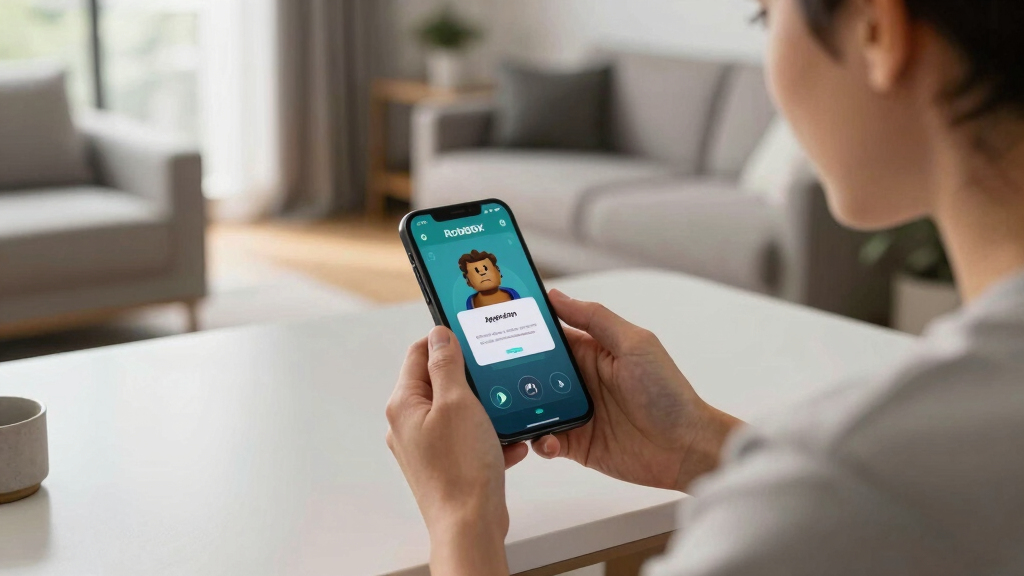
Roblox launched an AI-based age verification system last week, but it is experiencing widespread errors, misidentifying users’ ages and disrupting chat functions. The system’s reliability and privacy are under scrutiny amid user backlash and safety concerns.
Roblox’s new AI-powered age verification system, launched last week, is experiencing widespread failures, misidentifying users’ ages and disrupting the platform’s chat features. The system’s errors are causing frustration among players, developers, and safety advocates, raising questions about its effectiveness and privacy safeguards.
Roblox introduced the AI-based age verification process last week as part of a broader effort to create a safer environment for its over 150 million daily users. The system requires users to record a short video or upload a government-issued ID for verification, which is processed by a third-party company, Persona. Roblox claims all personal data is deleted immediately after processing.
Since rollout, players and parents have reported significant inaccuracies, with some users being misclassified as much older or younger than their actual ages. For instance, some users who identify as adults have been placed in child or teen categories, while young children have been assigned adult labels, according to multiple reports on social media and forums. Many users have shared videos demonstrating how they tricked the system using avatars or fake images, including a notable case where a child drew wrinkles on their face with a marker to be classified as an adult.
The company acknowledges these issues, with Roblox’s chief safety officer Matt Kaufman stating that such large-scale changes take time and that the system is still being refined. Roblox reports that only about half of its users have verified their age using the new system, and it is working on solutions to prevent parents from falsely verifying minors as adults. The platform also restricts chat functions based on verified age, but the inaccuracies complicate safety efforts and moderation, especially with reports of minors being placed in adult categories.
Why It Matters
This development is significant because Roblox is one of the largest online platforms for children and teenagers, with safety and privacy concerns already under scrutiny. The failure of the new age verification system undermines efforts to prevent predators from exploiting the platform, as misclassification can either block safe users or expose children to inappropriate interactions. Additionally, the widespread errors and ease of tricking the system raise questions about the reliability of AI-based verification methods in sensitive environments.
As an affiliate, we earn on qualifying purchases.
Background
Roblox announced the implementation of the AI-powered age verification system last July, amid increasing legal and regulatory pressure following multiple lawsuits and investigations into its safety measures. The platform has faced allegations of failing to protect young users and enabling grooming by predators, prompting a series of safety enhancements, including age verification. The system was initially rolled out in Australia, New Zealand, and the Netherlands in November, with a broader global launch last week. Despite initial optimism, user feedback indicates the system is far from reliable, with many reports of misclassification and attempts to bypass verification.
“Expecting the system to be flawless overnight is ignoring the scale of this undertaking.”
— Roblox Chief Safety Officer Matt Kaufman
“The most widespread danger is the large number of accounts that have been mistakenly filed into the wrong age category, complicating safety and moderation efforts.”
— Independent researcher Ry Terran
As an affiliate, we earn on qualifying purchases.
What Remains Unclear
It is still unclear how Roblox will address the widespread inaccuracies, how effective the re-verification process will be, or whether the system can be made reliable at scale. The company’s plans for ongoing updates and safeguards remain vague, and user trust is likely to be affected until these issues are resolved.
AI identity verification software
As an affiliate, we earn on qualifying purchases.
As an affiliate, we earn on qualifying purchases.
What’s Next
Roblox has stated it is working on solutions to improve accuracy and prevent misuse of the verification system. The company plans to develop better detection methods and refine the re-verification process. Future updates are expected in the coming weeks, alongside more transparency about how the system will evolve to ensure safety and privacy.
As an affiliate, we earn on qualifying purchases.
Key Questions
Why did Roblox introduce an AI-based age verification system?
Roblox implemented the system to create a safer environment, aiming to prevent adults from interacting with children and to comply with safety regulations following legal pressures.
What are the main issues with the current verification system?
Many users report misclassification of ages, with some adults being identified as minors and vice versa. Users have also found ways to trick the system using avatars or fake images.
Is Roblox collecting personal data through this system?
Yes, users are asked to record videos or upload government IDs, but Roblox states all personal information is deleted immediately after processing. Privacy concerns remain among users and parents.
Will Roblox roll back or fix the system?
The company has acknowledged issues and is working on improvements, but it has not announced a rollback. Future updates are expected to enhance accuracy and safety measures.
Halloween Picks
halloween
As an affiliate, we earn on qualifying purchases.