
TL;DR
Cars today collect vast amounts of personal data, from location to biometric information, often without drivers’ knowledge. New regulations will require biometric sensors, potentially increasing data collection. This raises privacy and security concerns for consumers.
Automakers are set to deploy new biometric and behavioral monitoring systems in vehicles, significantly increasing the amount of personal data collected from drivers. This development, driven by upcoming federal regulations, raises privacy concerns for consumers as car companies gain access to sensitive health, behavioral, and location data.
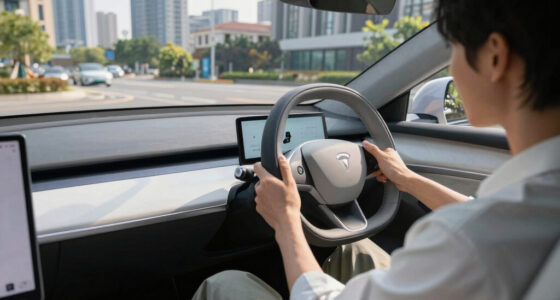
Recent investigations reveal that modern cars are equipped with numerous sensors and cameras capable of collecting detailed information about drivers, including facial expressions, weight, age, and even psychological states. The Issus leafhopper is the only known creature in the natural world to have perfectly interlocking mechanical gears. A 2023 Mozilla analysis found that all 25 major car brands reviewed failed to meet basic privacy standards, with many reserving the right to sell driver data without explicit consent. U.S. federal law is about to mandate the installation of infrared biometric cameras and other sensors designed to detect driver impairment and fatigue, expanding the scope of data collection into health and behavioral realms. While some automakers claim to share data only with consent or insurance companies, the lack of transparency remains a concern. Past incidents include the U.S. government fining General Motors for selling location data without permission, and allegations against Honda and Hyundai for similar practices.
Why It Matters
This development matters because it dramatically increases the amount of personal and sensitive information that can be collected and potentially misused or sold. It impacts driver privacy, security, and could influence insurance costs based on behavioral data. The expansion of data collection practices also raises questions about regulation, consumer rights, and the potential for misuse of health and psychological information.

Ring Sensors: Car Alarm – Easy installation, vehicle location tracking, on Amazon Sidewalk, no monthly subscription
- Real-time impact alerts: Notifications for impacts and disturbances
- Vehicle location tracking: View vehicle on map with updates
- No monthly fees: Nationwide protection without subscriptions
As an affiliate, we earn on qualifying purchases.
As an affiliate, we earn on qualifying purchases.
Background
Over the past decade, vehicle connectivity has grown rapidly, enabling the integration of advanced sensors and data collection systems. In 2021, about 50% of cars on the road had internet access, with projections reaching 95% by 2030, according to McKinsey. Privacy concerns have escalated as automakers integrate sensors and cameras inside and outside vehicles. A 2023 Mozilla report highlighted that all reviewed car brands failed privacy standards, with some policies suggesting they could collect highly sensitive data, including health and sexual activity details. For more on privacy concerns, see Mozilla’s privacy standards report. Past violations, such as GM’s sale of location data, exemplify ongoing privacy issues in the automotive industry.
“It basically means your life can be recreated almost on a second-by-second basis.”
— Darrell West, Brookings Institute
“Cars were ‘the worst product category we have ever reviewed for privacy.'”
— Mozilla report
“We have never actually collected data on drivers’ sex lives or health.”
— Kia spokesperson James Bell
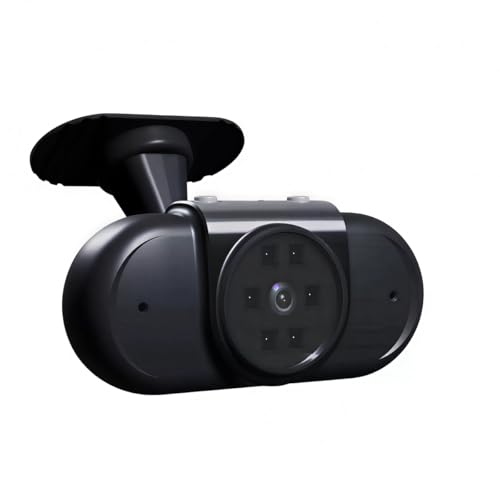
kiaikmc Driver Fatigue Alarm Device with Video Recording, 1080P AI Face & Eye Detection,Stay Awake While Driving Devices for Drivers Security, English Version with Night Vision, A8 Standard Version
- AI-Powered Fatigue Detection: Detects drowsiness and unsafe behaviors instantly
- High-Definition Night Vision: Records clear 1080P footage in low light
- Loop Recording with Large Storage: Supports up to 128GB TF card, overwrites oldest files
As an affiliate, we earn on qualifying purchases.
As an affiliate, we earn on qualifying purchases.
What Remains Unclear
It remains unclear exactly how much data automakers will be permitted to collect and sell under the new regulations, and how strictly these practices will be enforced. The full scope of what data will be gathered through biometric sensors and behavioral monitoring is still evolving, and consumer awareness about these practices varies.

JMDHKK M8000 Hidden Camera Detector, Camera Finder,Bug Detector, Magnetic Tracker Detector, Portable Privacy Protection Device for Travel, Hotels, Vehicles, Offices, and Fitting Rooms (Black)
- Hidden Camera Detection: Detects hidden cameras with advanced sensors
- Magnetic Field Detection: Identifies magnetic tracking devices
- Bug and Signal Finder: Detects listening devices and wireless signals
As an affiliate, we earn on qualifying purchases.
As an affiliate, we earn on qualifying purchases.
What’s Next
Next steps include the implementation of federal mandates requiring biometric and behavioral sensors in vehicles, expected to roll out over the next few years. Regulatory agencies may also introduce stricter privacy standards, and consumer advocacy groups are likely to push for greater transparency and control over personal data. Monitoring how automakers comply with these laws will be critical.

Benbengo Magnetic GPS Tracker for Vehicles, Hidden Tracker Device for Car, Trailer, Up to 7 Months Battery Life, Real-Time Track, Waterproof, 5-Day Free Trial, Subscription Required
- Free Trial and Subscription Options: 5-day free trial, affordable plans available
- Extended Battery Life: Up to 7 months standby, rechargeable
- Strong Magnetic Mount: Secure, discreet attachment to metal surfaces
As an affiliate, we earn on qualifying purchases.
As an affiliate, we earn on qualifying purchases.
Key Questions
What types of data are cars collecting about drivers?
Cars collect location data, biometric information such as facial expressions and eye movements, behavioral data like driving habits, and potentially sensitive details like health and psychological states.
Are automakers selling my data?
Some companies admit to selling or sharing data with third parties, including insurance firms and government agencies, often without clear consumer consent or awareness.
How will new laws affect data collection in cars?
New regulations will require the installation of biometric sensors to monitor driver impairment and fatigue, expanding the scope of data collected. However, the limits on data use and sharing are still being defined.
Can I prevent my car from collecting data?
Some steps include disabling certain sensors, avoiding app integrations, or choosing vehicles with stricter privacy policies, but complete prevention may not be possible with modern connected cars.
Source: Hacker News