TL;DR
Volkswagen has introduced a new authentication requirement that prevents Home Assistant from accessing VW Connect services. This change impacts users relying on automation and smart home integrations. The development is confirmed but the full scope and future impact remain unclear.
Volkswagen has recently implemented a new security requirement that blocks Home Assistant integrations by requiring client assertion during authentication, affecting users attempting to connect their vehicles to smart home platforms. This change has been confirmed by users and developers, and it marks a significant shift in how VW Connect services handle third-party access.
Multiple users reported that their Home Assistant integrations with Volkswagen vehicles stopped working after the latest updates. According to reports on Hacker News, VW now requires a client assertion as part of the OAuth 2.0 authentication process, which Home Assistant’s current implementation does not support. VW’s official documentation and user reports indicate that the change was introduced recently, with some users noting that login via the VW Connect app and web portal remains unaffected. The new requirement appears to be aimed at enhancing security but has unintended consequences for third-party integrations.
Developers of the Home Assistant VW Connect integration confirmed that the authentication process now fails due to the missing client assertion, which is a cryptographic proof required by VW’s new security protocol. VW has not officially announced this change publicly, but the update was observed through user reports and logs indicating failed OAuth token exchanges. The issue primarily affects users who automate vehicle data or control via Home Assistant, a popular open-source home automation platform.
Why It Matters
This development is significant because it disrupts a key use case for many VW owners who rely on Home Assistant to automate vehicle functions or monitor vehicle status. The blocking of third-party access raises questions about VW’s approach to security and user control over vehicle data. For the broader smart home community, it exemplifies how security enhancements can inadvertently restrict legitimate integrations, potentially leading to reduced interoperability and user frustration.

ChargePoint HomeFlex Level 2 EV Charger J1772 – Fast Smart Battery Power Charging at Home for Electric Automobile Vehicles – NEMA 14-50 Plug for Electric Car
Charge with Confidence: ChargePoint builds reliable, flexible EV charging stations for home, business, and fleets. Get 24/7 support…
As an affiliate, we earn on qualifying purchases.
As an affiliate, we earn on qualifying purchases.
Background
Volkswagen has increasingly integrated digital services into its vehicles, including VW Connect and We Connect. Previously, third-party developers and enthusiasts used APIs and OAuth-based authentication to connect Home Assistant and other platforms to VW vehicles. Recent updates to VW’s security policies, reportedly introduced in late 2023, now require client assertion—a cryptographic proof included in OAuth requests—to authenticate. This change appears to be part of VW’s broader effort to tighten security around vehicle data access, but it has caught some third-party developers off guard. The issue emerged shortly after VW’s latest firmware updates and has been widely reported by users attempting to maintain existing integrations.
“The recent change to require client assertion in OAuth is incompatible with our current implementation, causing authentication failures.”
— Home Assistant developer
“We are continuously enhancing vehicle security and may update access protocols accordingly.”
— Volkswagen spokesperson (unconfirmed)
OAuth 2.0 vehicle API security tools
As an affiliate, we earn on qualifying purchases.
As an affiliate, we earn on qualifying purchases.
What Remains Unclear
It is not yet clear whether VW will provide an official workaround or update the API to support client assertion for third-party integrations. The scope of affected users and whether this change applies globally or only in certain regions remains uncertain. VW has not issued a formal announcement, and details about the timeline for potential fixes are still emerging.
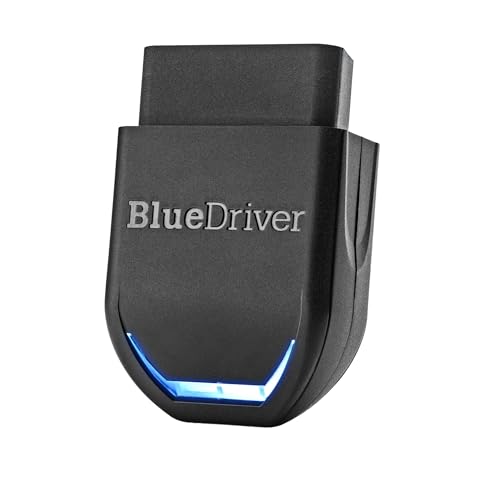
BlueDriver Pro Next Gen OBD2 Scanner – No Subscription, Bluetooth Car Code Reader for iPhone & Android – Diagnose 8000+ Issues, ABS SRS TPMS, Repair Reports, Vehicles 1996+
[Diagnose Like a Pro] BlueDriver Pro Next-Gen is a professional OBD2 scanner and diagnostic tool that helps you…
As an affiliate, we earn on qualifying purchases.
As an affiliate, we earn on qualifying purchases.
What’s Next
Next steps include monitoring VW’s official communications for updates or API documentation changes. Home Assistant developers are exploring possible solutions, such as generating the required client assertion or adjusting OAuth flows. VW may release a statement or update their API to restore access, but no timeline has been confirmed.

Grote 82-0303 Rocker Switch
Product Type: Toggle Switch
As an affiliate, we earn on qualifying purchases.
As an affiliate, we earn on qualifying purchases.
Key Questions
Why did VW block Home Assistant access?
Volkswagen introduced a new security requirement that mandates client assertion during OAuth authentication, which current Home Assistant implementations do not support, leading to blocked access.
Will VW provide a fix or workaround?
There has been no official statement. Developers are investigating options, but it is unclear if VW will update their API or provide alternative solutions.
Does this affect all VW vehicles and services?
It appears to affect vehicles connected via VW Connect that rely on third-party integrations, but the full scope is still unconfirmed.
Can I still access VW Connect through the app or web portal?
Yes, login through the VW Connect app and website remains functional, but third-party integrations like Home Assistant are impacted.
Source: Hacker News