
TL;DR
Google’s new reCAPTCHA update now requires Google Play Services or iOS to verify users, effectively excluding de-Googled phones like GrapheneOS. Privacy advocates argue this restricts user freedom and anti-competitive behavior.
Privacy advocates have criticized Google’s latest reCAPTCHA update for effectively blocking access on de-Googled Android phones that do not have Google Play Services installed, marking a significant shift in user verification methods.
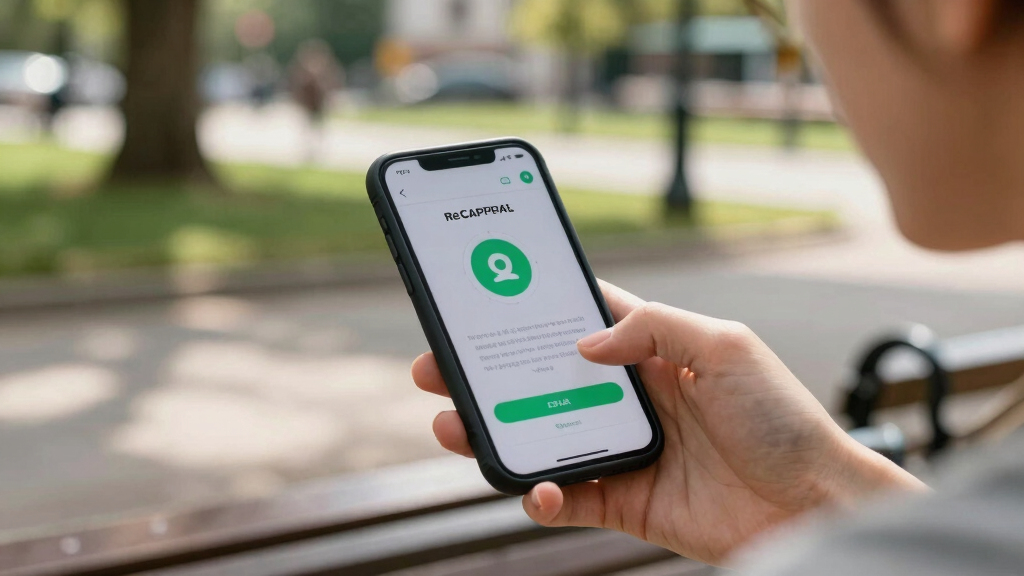
Google announced a new version of its ‘Cloud Fraud Defense’ system in late April, branding it as the ‘next evolution of reCAPTCHA.’ The update now presents users with a QR code to verify their humanity, but it requires devices to run Google Play Services (version 25.41.30 or higher) or iOS 15.0 or higher. This requirement excludes devices that operate without Google or Apple services, such as phones running GrapheneOS or CalyxOS, which are popular among privacy-conscious users.
According to the GrapheneOS team, this change impacts not only mobile devices but also desktop platforms, as the verification process is tied to having a certified Android or iOS device. The move has prompted criticism from privacy advocates, who say it effectively ‘locks out’ users running de-Googled phones, thus restricting their access to web services that rely on reCAPTCHA for security.
Why It Matters
This development raises concerns about user privacy, competition, and device freedom. Critics argue that requiring Google or Apple certification to verify human users consolidates control within these ecosystems, potentially marginalizing users who prefer privacy-focused, de-Googled devices. It also signals a shift toward more restrictive verification methods that could set a precedent for further limitations based on hardware or operating system choices.
Such restrictions could impact a significant segment of privacy-aware users and could influence how web services implement security measures, possibly leading to broader exclusion of non-certified devices from online interactions.
privacy-focused Android phones without Google Play Services
As an affiliate, we earn on qualifying purchases.
As an affiliate, we earn on qualifying purchases.
Background
Google introduced ‘Web Environment Integrity’ (WEI) in 2023, a system intended to verify device authenticity before granting web access. Facing backlash, Google abandoned WEI but appears to have repurposed similar ideas through the QR code verification in reCAPTCHA. Privacy-focused operating systems like GrapheneOS and CalyxOS have gained popularity for their ability to prevent data harvesting by Google and other tech giants, making them targets of such verification restrictions. The move reflects ongoing tensions between security measures and user privacy/control.
“Their plan requires having a certified Android device or iOS device to pass this on a desktop.”
— GrapheneOS team
“Privacy-conscious internet users are being demoted from 2nd to 3rd class netizens. Google now treats privacy as suspicious behavior by default.”
— Jameson Lopp
“Google’s security excuse is clearly bogus when they permit devices with no patches for ten years… It’s for enforcing their monopolies via GMS licensing, that’s all.”
— Brendan Eich

Mobile Cell Phone Repair Tools Kit, 7Pieces Metal Spudger Pry Tool Antistatic Spudger Plastic Metal Pry Opening Tool for Electronics Repair Smartphone Laptop Hand Open Replace Screen Battery
- Ultra-Thin Design: 0.1mm steel spudger for narrow gaps
- Ergonomic and Flexible: Maintains shape when bent to 90 degrees
- Complete Tool Set: Includes 7 specialized repair tools
As an affiliate, we earn on qualifying purchases.
As an affiliate, we earn on qualifying purchases.
What Remains Unclear
It is still unclear how widespread the adoption of the QR code verification will become and whether future updates might further restrict access for de-Googled devices. The full extent of the impact on desktop browsers and other non-certified operating systems remains to be seen, as Google has not provided detailed plans for expansion.

INNOVART 3-Panel Mobile Medical Privacy Screen Room Divider with Wheels, Foldable Flame Retardant Vinyl Room Divider Panels Easy for Storage, Portable Partition Dividers for Hospitals, Clinics, Salons
- Sturdy Metal Frame: Enhances stability and durability
- Privacy Protection: Blocks vision for secure privacy
- Foldable and Portable: Easy to store and transport
As an affiliate, we earn on qualifying purchases.
As an affiliate, we earn on qualifying purchases.
What’s Next
Privacy advocates and affected users are likely to continue protesting this change, potentially prompting legal or regulatory scrutiny. Google may also release further updates or clarifications, but the controversy over device restrictions is expected to persist until a resolution or alternative verification methods are introduced.

Fleck OEM 41891, Plastic Bypass Assembly Wrench Tool For 60049 Bypass
- OEM Bypass Tool: Genuine Fleck steel T-handle wrench
- Fits Fleck 60049: Designed for Fleck plastic bypass valves
- Autotrol Compatible: Works with Autotrol 256, 1265, 360/368 series
As an affiliate, we earn on qualifying purchases.
As an affiliate, we earn on qualifying purchases.
Key Questions
Why does the reCAPTCHA update exclude de-Googled phones?
The update requires Google Play Services or iOS, which are absent on de-Googled phones like GrapheneOS and CalyxOS, effectively blocking their users from verification.
Could this impact desktop users as well?
Yes, according to the GrapheneOS team, the verification process could be expanded to desktop platforms, requiring a certified device for access.
What are the privacy implications of this update?
It limits the ability of privacy-focused users to access web services without using Google or Apple-certified devices, potentially reducing their online privacy and control.
Has Google responded to the criticism?
As of now, Google has not issued a detailed response, but the company continues to emphasize security and anti-fraud measures as justification for the update.
What might happen next for affected users?
Users and privacy advocates may escalate their protests, seek legal action, or develop alternative verification methods to bypass restrictions.