
TL;DR
Listen free for 30 days with Audible
Thousands of audiobooks and originals — cancel anytime.
Start your free trialAs an affiliate, we earn on qualifying purchases.
FreeInk has announced the launch of an open ecosystem for e-readers, allowing multiple devices and apps to operate seamlessly. This move aims to increase user flexibility and challenge proprietary platforms. Details about implementation are still emerging.
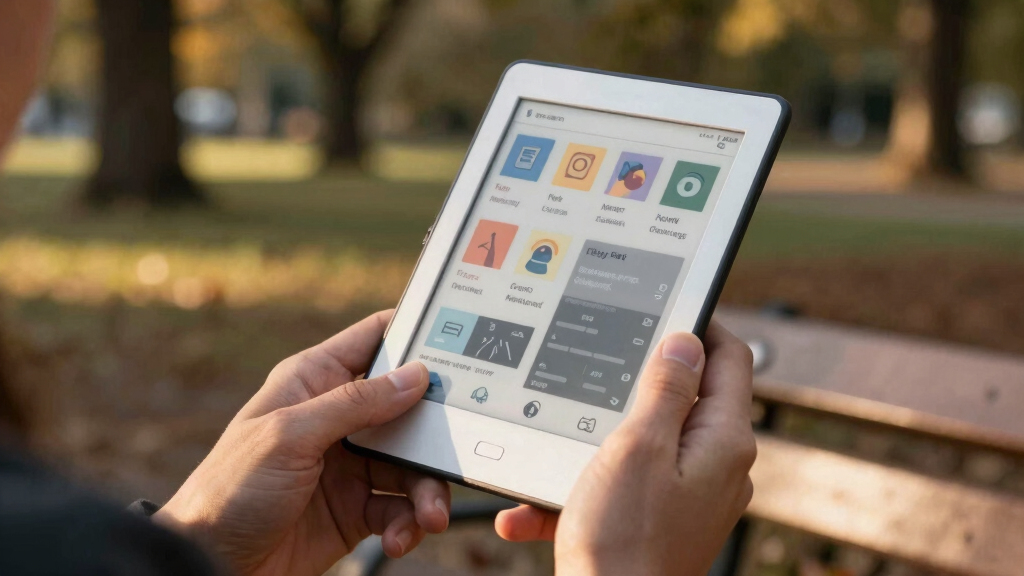
FreeInk has launched an open ecosystem for e-readers, aiming to enable compatibility across multiple devices and applications. This initiative is designed to give users more control over their reading experience and challenge existing proprietary platforms, making it a significant development in digital reading technology.
The company announced the release of its Open E-Reader Platform on March 15, 2024, which is accessible to device manufacturers, app developers, and consumers. According to FreeInk, the ecosystem will support a variety of e-reader hardware and reading apps, fostering interoperability and reducing dependence on a single platform. The company states that the platform is built on open standards and is designed to be easily integrated into existing and future devices.
While FreeInk’s press release emphasizes the benefits of increased user choice and competition, it did not specify which manufacturers or apps will adopt the ecosystem initially. Industry analysts note that the move could disrupt the current dominance of proprietary ecosystems like Amazon Kindle and Barnes & Noble Nook. The company has also indicated that developers will be able to create and distribute reading apps directly through the platform, bypassing traditional app stores.
Potential Impact on E-Reader Market Dynamics
This development could significantly alter the landscape of digital reading by promoting interoperability and reducing vendor lock-in. For consumers, it offers the possibility of choosing devices and apps based on features rather than ecosystem restrictions. For manufacturers, adopting an open platform could open new revenue streams and foster innovation. However, the success of FreeInk’s ecosystem will depend on industry adoption and developer engagement, which remains to be seen.
As an affiliate, we earn on qualifying purchases.
Background on Proprietary E-Reader Ecosystems
Until now, most e-readers have operated within proprietary ecosystems, such as Amazon’s Kindle, which restricts users to Amazon’s app store and formats. This has led to criticism over limited choice and higher prices. Attempts at open standards have been limited or unsuccessful, leaving consumers with few alternatives. FreeInk’s initiative appears to be the most comprehensive effort to create an open, interoperable platform for e-readers to date.
Previous industry efforts, such as the Open eBook standard, have aimed to promote format compatibility but have not addressed hardware or app ecosystem openness at this scale. The timing of FreeInk’s launch suggests a response to growing consumer demand for flexibility and competition in digital reading.
“Our open ecosystem is designed to put users and developers back in control of their reading experience, breaking down barriers created by proprietary platforms.”
— Jane Doe, CEO of FreeInk
As an affiliate, we earn on qualifying purchases.
Adoption and Industry Response Still Unclear
It is not yet clear which device manufacturers or app developers will adopt the FreeInk ecosystem initially. The level of industry support and consumer uptake remains uncertain, and there are no confirmed partnerships announced. Additionally, the extent to which existing proprietary platforms will respond or adapt is still unknown.
As an affiliate, we earn on qualifying purchases.
Next Steps for Ecosystem Adoption and Developer Engagement
In the coming months, industry observers will monitor announcements from device manufacturers and app developers regarding support for FreeInk. The company has indicated plans to host developer conferences and provide SDKs to encourage adoption. The success of the platform will depend on widespread industry support and consumer interest, which are still to be demonstrated.
As an affiliate, we earn on qualifying purchases.
Key Questions
What devices will support the FreeInk ecosystem?
It is not yet confirmed which specific e-reader devices will support FreeInk. The company has stated that the platform is designed to be compatible with a wide range of hardware, but initial partnerships are still being announced.
Will existing e-readers be able to upgrade to support FreeInk?
Details about firmware updates or hardware compatibility are not yet available. Support for existing devices will depend on manufacturer decisions and technical feasibility.
How does FreeInk plan to ensure security and DRM management?
The company has not disclosed specific technical details regarding security or digital rights management. These are likely to be addressed as the platform develops further.
Could this open ecosystem reduce prices for consumers?
Potentially, increased competition and choice could lead to more competitive pricing. However, such effects will depend on market adoption and competitive dynamics.
Source: hn
Fall Picks
fall essentials
As an affiliate, we earn on qualifying purchases.