
Lighting shapes how your video looks more than the camera’s megapixels or frame rate. Good lighting makes your subjects appear natural, adds depth, and sets the mood, which keeps viewers engaged. Even the best camera can’t fix poor illumination, while well-lit scenes require less editing. By mastering lighting, you’ll enhance your videos’ quality and professionalism greatly. Want to discover powerful lighting techniques that elevate your content? Keep exploring to learn more.

Get the latest gadgets delivered free with Prime
- Fast, free delivery on millions of items
- Prime Video, Amazon Music and more included
- Member-only deals all year
Key Takeaways
- Good lighting enhances subject visibility and clarity, often more impactful than camera resolution or frame rate.
- Proper lighting creates mood and depth, elevating video quality regardless of camera specifications.
- Well-lit scenes reduce the need for post-production corrections, saving time and improving professionalism.
- Lighting controls color temperature and contrast, shaping the overall aesthetic more effectively than camera settings.
- Mastering lighting enables consistent, high-quality visuals that cameras alone cannot achieve.
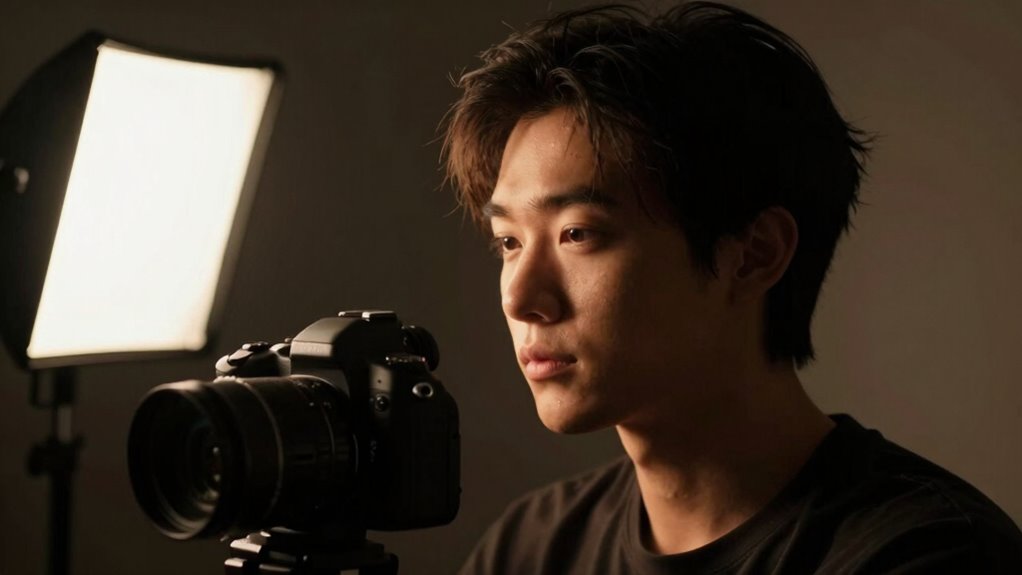
When it comes to producing high-quality videos, many creators focus on camera specs, but lighting can be just as critical—if not more so. The way your scene is lit influences how viewers perceive your content more than the megapixels or frame rate. Proper lighting ensures your subject looks natural and appealing, regardless of the camera’s technical capabilities. One key factor is color temperature, which determines the warmth or coolness of your light. Adjusting this can dramatically change the mood of your video, making it feel cozy, professional, or vibrant. The use of natural light plays a vital role because it provides a balanced and flattering source that can enhance your scene without additional equipment. When used effectively, natural light can reduce color inconsistencies and make your footage look more authentic.
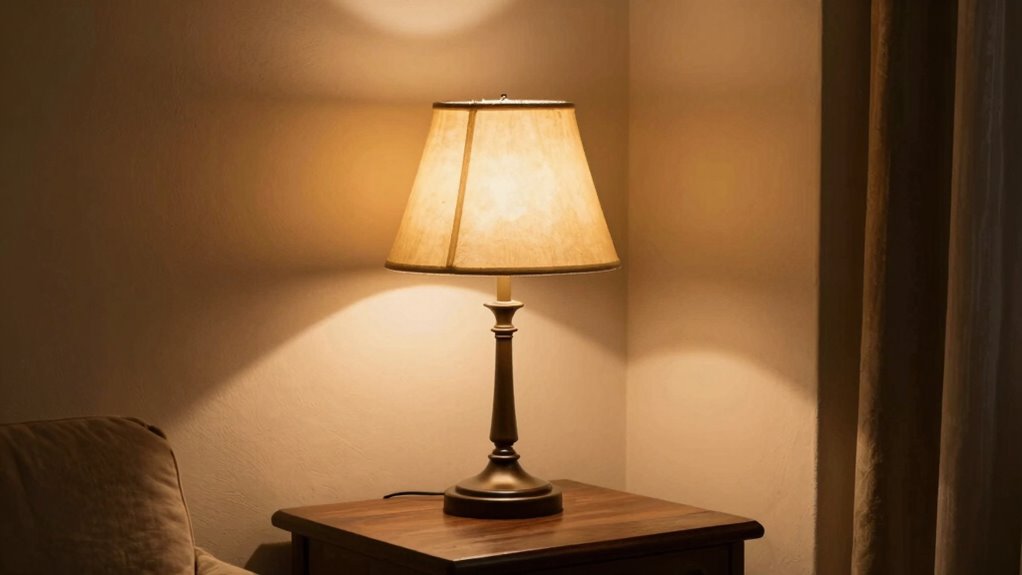
Your choice of lighting should complement the natural light available. For example, shooting during the golden hour—shortly after sunrise or before sunset—offers warm, soft light that’s ideal for creating inviting, visually pleasing videos. If you’re filming indoors or in low-light conditions, understanding how to manipulate your artificial lighting to mimic natural light becomes essential. You might use daylight-balanced bulbs to achieve a similar effect, ensuring your colors stay true and your skin tones look natural. The key is to control the color temperature so that it doesn’t clash with the ambient light, which can cause unflattering color casts or make your footage appear washed out. Additionally, understanding lighting principles helps in designing setups that highlight your subject effectively across various environments. Incorporating light control techniques can further enhance the visual quality by shaping and directing light precisely where it’s needed. Moreover, mastering light placement can significantly improve the perceived depth and three-dimensionality of your scene, making your videos more engaging. Recognizing the importance of color rendering can also help ensure that colors appear accurate and vibrant across different lighting setups.
Lighting setup also impacts the depth and dimension of your scene. Good lighting creates contrast, highlights your subject, and prevents flat, dull images. When you master controlling light intensity and color temperature, you gain the ability to craft the look and feel you want. Cameras, regardless of their specs, can only record what’s available in front of the lens. If your lighting is uneven or mismatched in color temperature, even the most advanced camera won’t be able to fix those issues in post-production. In contrast, well-planned lighting elevates your video quality instantly, making your content more engaging and professional.
Ultimately, understanding how to manipulate lighting—particularly color temperature and natural light—gives you more control over your visuals. It’s often the difference between a mediocre video and one that’s polished and captivating. No matter how advanced your camera is, if your lighting isn’t right, your footage will suffer. Focusing on lighting, therefore, not only enhances the quality of your videos but also saves you time and effort in post-production. In the end, good lighting isn’t just an accessory; it’s the foundation of compelling, high-quality video content.
As an affiliate, we earn on qualifying purchases.
Frequently Asked Questions
How Does Lighting Affect Video Mood and Tone?
Lighting greatly influences your video’s mood and tone by controlling shadow depth and color temperature. You can create a warm, inviting feel with soft, warm light, or evoke mystery with deep shadows and cooler tones. Adjusting shadow depth emphasizes or minimizes details, shaping emotional impact. By tailoring color temperature, you set the overall atmosphere, making your scene feel cozy, tense, or energetic—more effectively than camera specs alone.
Can Good Lighting Compensate for a Lower-Quality Camera?
Good lighting can definitely compensate for a lower-quality camera. By choosing the right lighting color—whether natural sunlight for warmth or artificial lights for control—you can enhance your video’s clarity and mood. Properly diffused and balanced lighting reduces noise and improves detail, making your footage look more professional. Focus on positioning and color temperature, and even a basic camera can produce impressive results with excellent lighting.
What Are Common Beginner Lighting Mistakes?
Did you know that 60% of viewers stop watching videos due to poor lighting? As a beginner, avoid common mistakes like poor lighting placement—keep lights at eye level and avoid harsh shadows. Also, pay attention to color temperature; too warm or cool tones can distract viewers. Experiment with different setups, and remember, proper lighting can make your video look professional even with basic equipment.
How Do Different Lighting Setups Influence Video Storytelling?
Different lighting setups shape your video’s storytelling by creating mood and focus. You’ll use color temperature to evoke warmth or coolness, influencing emotional tone. Light diffusion softens shadows and reduces harshness, making scenes feel more natural or dramatic. By carefully adjusting these elements, you guide viewers’ attention, enhance atmosphere, and convey your message more effectively. Your lighting choices directly impact how your story feels and how viewers connect with it.
What Affordable Lighting Options Are Best for Beginners?
You might think expensive gear is necessary, but affordable LED lights and softbox lighting prove otherwise. These options are perfect for beginners, offering soft, even illumination without breaking the bank. You’ll find that simple, budget-friendly setups can dramatically improve your video quality. With a little creativity, you can achieve professional-looking results, proving that you don’t need high-end gear to make mesmerizing videos.
As an affiliate, we earn on qualifying purchases.
Conclusion
Think of your video setup as a garden: no matter how fancy your camera is, without proper sunlight—your lighting—it’s bound to look dull and lifeless. Lighting paints your scene with color and depth, transforming mediocre footage into a vibrant masterpiece. So, don’t let your camera’s specs steal the spotlight; instead, focus on mastering your lighting. It’s the secret brushstroke that turns an ordinary shot into something truly mesmerizing, making your videos shine brighter than the rest.
As an affiliate, we earn on qualifying purchases.
As an affiliate, we earn on qualifying purchases.
Halloween Picks
halloween
As an affiliate, we earn on qualifying purchases.