
Many tripod buyers often overlook compatibility, choosing models that don’t fit their camera’s mounting screws or plates, risking damage or insecure setup. They also underestimate weight and stability needs, selecting lightweight tripods that may wobble or lack support for heavier gear. Height and usability are sometimes ignored, leading to awkward angles or difficult adjustments. Paying attention to material quality and practical features like locking mechanisms can save frustration. Keep exploring to discover how to make smarter tripod choices.

Get the latest gadgets delivered free with Prime
- Fast, free delivery on millions of items
- Prime Video, Amazon Music and more included
- Member-only deals all year
Key Takeaways
- Failing to verify camera compatibility and mounting screw size before purchase.
- Choosing a tripod based solely on maximum height without considering stability or portability.
- Ignoring weight capacity, risking instability or damage to the camera and accessories.
- Overlooking material quality, which affects durability, weight, and long-term performance.
- Neglecting practical features like locking mechanisms, anti-slip feet, and ease of setup.
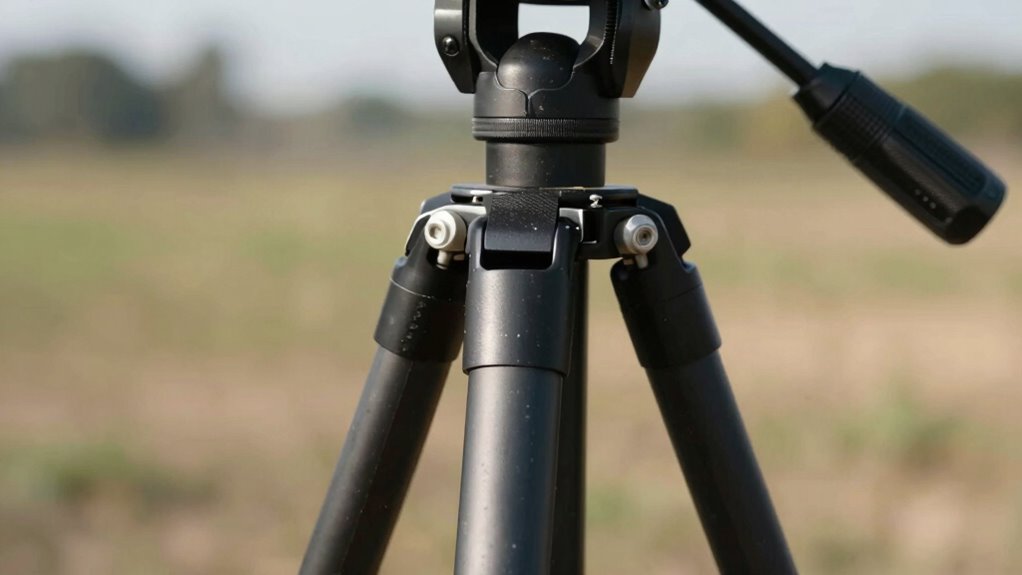
Choosing the right tripod can considerably improve your photography or videography, but many buyers make common mistakes that can lead to frustration or subpar results. One of the most frequent errors is overlooking camera compatibility. Not all tripods fit every camera. Some models are designed with specific mounting plates or screw sizes, so if you don’t double-check, you might end up with a tripod that doesn’t support your camera or, worse, risks damaging it. Before making a purchase, verify that the tripod’s mounting plate matches your camera’s screw size—most cameras use a 1/4-inch screw, but some professional gear requires a larger, 3/8-inch mount. Ensuring compatibility upfront saves you hassle and guarantees a secure fit, so your equipment stays safe during shoots.
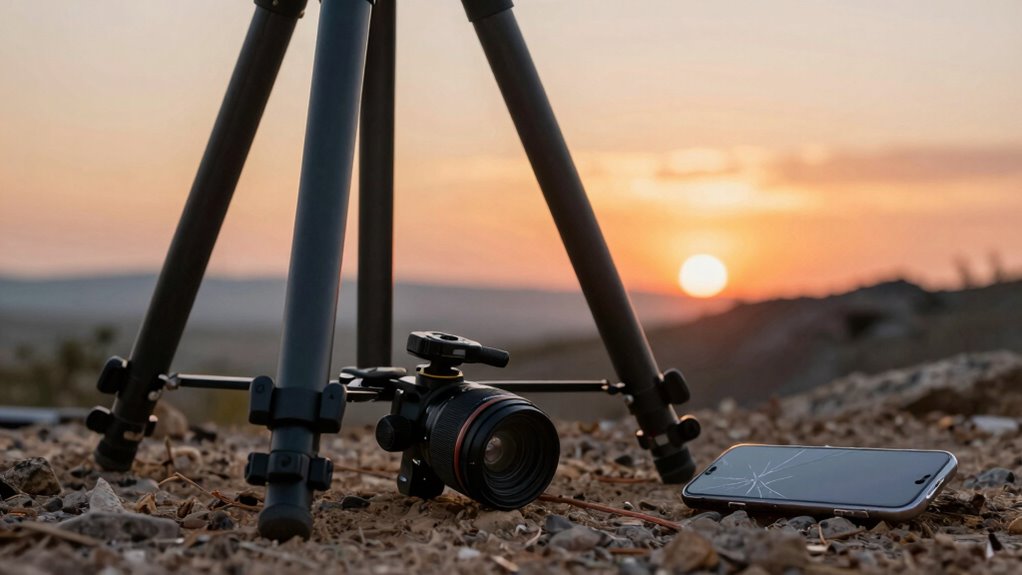
Weight considerations are another critical aspect that many buyers ignore. While lightweight tripods are portable and easy to carry around, they often sacrifice stability and durability. Conversely, heavy-duty tripods might be robust, but they can be cumbersome to transport and set up, especially if you’re traveling or hiking. You need to strike a balance based on your typical shooting environment. If you mainly shoot in a studio, a heavier tripod might be fine, but if you’re often on the move, opt for a lightweight yet sturdy option that won’t compromise stability. Keep in mind that the tripod needs to support your camera and accessories comfortably without tipping or wobbling. Check the maximum load capacity to match or exceed your camera’s weight, including any attached lenses or accessories. Considering tripod stability is essential for capturing sharp images in various conditions. Additionally, material quality plays a significant role in the tripod’s overall durability and weight, influencing your long-term satisfaction with your purchase.
Many buyers also fall into the trap of choosing a tripod based solely on height without considering actual usability. A tall tripod isn’t useful if it’s too flimsy to hold steady or difficult to operate in confined spaces. Similarly, a compact tripod might be perfect for travel but inadequate for larger, heavier cameras. Consider your typical shooting scenarios—will you be shooting low angles, or do you need a tripod that extends high enough for comfortable framing? These factors influence your choice far more than just maximum height specifications. Additionally, stability is crucial for sharp, clear images, especially in challenging conditions. It’s also wise to think about the ease of setup and how quickly you can get your camera ready to shoot, particularly if you often work in dynamic environments. Moreover, exploring security features like locking mechanisms or anti-slip feet can further enhance your tripod’s effectiveness and safety during use.
camera tripod with 1/4 inch screw mount
As an affiliate, we earn on qualifying purchases.
As an affiliate, we earn on qualifying purchases.
Frequently Asked Questions
How Do I Determine the Right Tripod Height for My Needs?
To determine the right tripod height, consider the type of photography or videography you do. You want a tripod that offers good stability without being too tall or too short, ensuring tripod stability and comfort during use. Also, think about portability—if you travel often, opt for a lightweight, adjustable tripod that’s easy to carry. The right height balances stability and portability, helping you capture steady shots comfortably.
Are Expensive Tripods Always Better Quality?
Expensive tripods aren’t always better quality, but they often offer improved tripod stability and durability. While higher-end models provide better build materials and steadiness, your choice should also consider your budget considerations. If you need a tripod for heavy gear or professional use, investing in a more costly option makes sense. However, for casual photography, a mid-range tripod can deliver sufficient stability without breaking the bank.
What Materials Are Most Durable for Outdoor Use?
Imagine your tripod standing strong against wind, rain, and rough terrain—that’s the power of durable tripod materials. For outdoor durability, aluminum and carbon fiber lead the pack. Aluminum offers toughness and affordability, while carbon fiber combines lightweight convenience with incredible strength. Both resist corrosion and withstand harsh conditions, ensuring your gear stays steady and reliable, no matter the weather. Choose wisely, and your tripod becomes your steadfast companion through every adventure.
How Important Is Weight When Choosing a Tripod?
Weight is pretty important when choosing a tripod because it directly affects tripod stability and portability. Heavier tripods tend to be more stable, making them better for steady shots, especially outdoors. However, if you prioritize ease of transport, lighter tripods are more portable but might sacrifice some stability. Balance your needs: consider where you’ll shoot most often and how much you’re willing to carry to find the right weight for your tripod.
Can I Use a Camera Tripod for Smartphone Photography?
Yes, you can use a camera tripod for smartphone photography. Just guarantee the tripod has a compatible smartphone mount or adapter. While doing so, check lens compatibility to avoid obstruction or shaky shots. Also, prioritize tripod stability to keep your smartphone steady, especially in low-light conditions or when capturing video. A stable tripod enhances image quality, so choose one that supports your device securely and maintains balance during use.
lightweight travel tripod for DSLR
As an affiliate, we earn on qualifying purchases.
As an affiliate, we earn on qualifying purchases.
Conclusion
Don’t let common mistakes hold you back from finding the perfect tripod. Remember, it’s not just about choosing the most expensive or popular model, but about understanding your specific needs—whether that’s weight capacity, height, or portability. Even if you’re on a budget, there are reliable options that won’t compromise stability. By taking the time to research and prioritize what truly matters, you’ll enjoy steadier shots and better results, no matter your skill level.
heavy-duty professional tripod with high load capacity
As an affiliate, we earn on qualifying purchases.
As an affiliate, we earn on qualifying purchases.
tripod with locking mechanism and anti-slip feet
As an affiliate, we earn on qualifying purchases.
As an affiliate, we earn on qualifying purchases.
Halloween Picks
halloween
As an affiliate, we earn on qualifying purchases.