Finding the right microphone for podcasting can be challenging with so many options available. The RØDE PodMic USB stands out as the best overall for its durability and sound quality, suitable for both beginners and pros. For those on a budget, the FIFINE K669B offers excellent clarity without breaking the bank. Meanwhile, the Maono PD200W provides wireless flexibility for podcasters who want freedom of movement. Readers should weigh factors like connectivity, build quality, and ease of use when choosing a microphone. Keep reading for a detailed breakdown of these options and what makes each one unique.

Get the latest gadgets delivered free with Prime
- Fast, free delivery on millions of items
- Prime Video, Amazon Music and more included
- Member-only deals all year
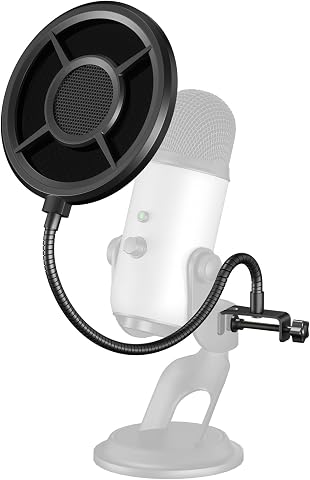
Complete the kit

Key Takeaways
- Top picks differ mainly by connectivity type: USB for simplicity, XLR for professional quality, and wireless for mobility.
- Durability and build quality are critical for long-term use, especially for podcasting setups that travel or are frequently moved.
- The best microphones balance sound quality with ease of setup—many high-end options can be complicated for beginners.
- Budget choices like the FIFINE K669B still deliver commendable audio but may lack the durability or features of premium models.
- Hybrid models like the Maono PD200W offer versatility but may come with tradeoffs in complexity or price.
| RØDE PodMic USB Dynamic Broadcast Microphone, XLR + USB-C |  | Best Overall for Versatile Broadcast Quality | Connectivity: XLR and USB-C | Built-in DSP: Yes, APHEX DSP | Compatibility: Mac, PC, iPad, Android | VIEW ON AMAZON | See Our Full Breakdown |
| FIFINE K669B USB Microphone, Condenser Recording Mic for Vocals and Meetings |  | Best for Beginners and Casual Use | Connection: USB-A | Design: Metal | Polar Pattern: Cardioid | VIEW ON AMAZON | See Our Full Breakdown |
| MAONO A04 USB Microphone, 192kHz/24Bit Condenser Mic Kit for PC Podcast |  | Best for High-Resolution Studio Quality | Sampling Rate: 192kHz/24Bit | Included Accessories: Pop filter, shock mount, adjustable arm | Connectivity: USB, USB Type-C | VIEW ON AMAZON | See Our Full Breakdown |
| MAONO A04 Gen2 XLR/USB Condenser Microphone Kit for PC and Podcast Recording |  | Best for Dual-Connectivity Flexibility | Connectivity: XLR, USB, USB Type-C | Sampling Rate: 192kHz/24Bit | Frequency Response: 30Hz-16kHz | VIEW ON AMAZON | See Our Full Breakdown |
| RØDE PodMic Cardioid Dynamic Broadcast Microphone – White |  | Best Durable Broadcast Microphone | Construction: All metal | Design: Cardioid dynamic | Mounting: Dual 3/8″ and 5/8″ threads | VIEW ON AMAZON | See Our Full Breakdown |
| FIFINE AmpliTank K688CT Podcast Microphone Kit, USB/XLR Dynamic Vocal Mic |  | Best Versatile Connectivity and Professional Features | Connectivity Technology: USB, XLR | Special Features: Mute Function, Noise Reduction, Stand, Volume Control | Polar Pattern: Unidirectional Microphone | VIEW ON AMAZON | See Our Full Breakdown |
| Maono PD200W Hybrid Wireless Podcast Microphone for PC, Dynamic XLR USB Mic |  | Best Wireless Flexibility and Multi-Device Compatibility | Connectivity: Wireless, USB, XLR | Microphone Type: Dynamic | Maximum SPL: 128dB | VIEW ON AMAZON | See Our Full Breakdown |
| RØDE PodMic Cardioid Dynamic Broadcast Microphone, XLR |  | Best for Broadcast-Quality Voice and Durability | Type: Dynamic Microphone | Polar Pattern: Cardioid | Built-in Pop Protection: Yes | VIEW ON AMAZON | See Our Full Breakdown |
| microphones for podcaster | Included Accessories | Polar Pattern | Connectivity |
|---|---|---|---|
| RØDE PodMic USB Dynamic Broadc | Swing mount, USB-C cable, pouch | — | XLR and USB-C |
| FIFINE K669B USB Microphone | — | Cardioid | — |
| MAONO A04 USB Microphone | Pop filter, shock mount, adjustable arm | Cardioid | USB, USB Type-C |
| MAONO A04 Gen2 XLR/USB Condens | Pop filter, shock mount, adjustable arm | Cardioid | XLR, USB, USB Type-C |
| RØDE PodMic Cardioid Dynamic B | None | — | — |
| FIFINE AmpliTank K688CT Podcas | — | Unidirectional Microphone | — |
| Maono PD200W Hybrid Wireless P | Desktop stand, USB-C to USB-A&C cable, Type-C receiver, Type-C adapter cable, User manual | — | Wireless, USB, XLR |
| RØDE PodMic Cardioid Dynamic B | — | Cardioid | — |
More Details on Our Top Picks
RØDE PodMic USB Dynamic Broadcast Microphone, XLR + USB-C
The RØDE PodMic USB stands out for combining professional-grade sound with flexible connectivity through both XLR and USB-C, making it suitable for streamers, podcasters, and home studio setups. Compared to the MAONO A04, which offers high-resolution sound but lacks dual connectivity, the PodMic’s onboard DSP and zero-latency monitoring provide a more polished experience for serious users. The tradeoff is its higher price and the need for some setup to optimize onboard processing. If you want a microphone that can grow with your setup and deliver broadcast-quality audio, this pick makes the most sense.
Pros:- Dual XLR and USB-C connectivity for versatile use
- Built-in audio processing for studio-like sound quality
- Zero-latency headphone monitoring
Cons:- More expensive than basic USB microphones
- Requires setup for optimal sound with onboard DSP
Best for: Podcasters and streamers seeking a versatile microphone that combines professional sound with flexible connectivity options.
Not ideal for: Beginners on a tight budget who prefer simple plug-and-play devices without onboard processing, like the FIFINE K669B.
- Connectivity:XLR and USB-C
- Built-in DSP:Yes, APHEX DSP
- Compatibility:Mac, PC, iPad, Android
- Included Accessories:Swing mount, USB-C cable, pouch
- Microphone Type:Dynamic
- Monitoring:Zero-latency headphone monitoring
Our verdict“Ideal for podcasters who need flexibility and studio-quality sound in a single device.”
FIFINE K669B USB Microphone, Condenser Recording Mic for Vocals and Meetings
The FIFINE K669B offers a straightforward, plug-and-play experience for those new to podcasting or streaming, with a durable metal build and clear audio. Unlike the MAONO A04, which provides high-resolution recording and comprehensive accessories, the K669B focuses on simplicity and ease of use, making it ideal for casual creators. Its cardioid polar pattern helps reduce background noise, but it’s limited to USB-A connection, which might require adapters for newer devices. This microphone’s setup is quick, but it sacrifices some professional features like onboard processing or XLR options, making it less suited for serious studio work.
Pros:- Easy to set up with plug-and-play design
- Durable metal construction for longevity
- Provides clear, crisp audio with noise reduction
Cons:- Limited to USB-A connection, may need adapters
- Not compatible with Xbox or phones
Best for: Beginners or casual streamers who want reliable, easy-to-use audio without complex setup.
Not ideal for: Advanced users or those seeking XLR connectivity and professional-grade sound, like the MAONO A04 or MAONO A04 Gen2.
- Connection:USB-A
- Design:Metal
- Polar Pattern:Cardioid
- Cable Length:5.9 feet
- Compatibility:PC, Mac, PS4, PS5
- Power Supply:USB-powered
Our verdict“Perfect for newcomers who want simple, effective audio for streaming or meetings without fuss.”
MAONO A04 USB Microphone, 192kHz/24Bit Condenser Mic Kit for PC Podcast
The MAONO A04 excels in delivering professional-grade audio with its 192kHz/24Bit chipset, making it a top choice for serious podcasters and voice-over artists. Compared to the FIFINE K669B, which offers basic clarity, the A04’s high-resolution recording ensures more nuanced sound reproduction. The included accessories—a pop filter, shock mount, and adjustable arm—add value but also make the setup bulkier. While it’s compatible with many platforms, it’s not suitable for Xbox or mobile-only use without additional adapters. This microphone’s premium features come with a higher price and a more complex setup, but it’s a strong investment for professional-quality recordings.
Pros:- High-resolution 192kHz/24Bit audio quality
- Includes comprehensive all-in-one kit
- Plug and play with multiple devices and platforms
Cons:- Not compatible with Xbox consoles
- Accessories can be bulky and may require space
Best for: Podcasters and voice-over artists who prioritize high-fidelity sound and comprehensive accessories.
Not ideal for: Casual users or those needing XLR connectivity, like the MAONO A04 Gen2 or the PodMic, which are more versatile for different setups.
- Sampling Rate:192kHz/24Bit
- Included Accessories:Pop filter, shock mount, adjustable arm
- Connectivity:USB, USB Type-C
- Microphone Type:Condenser
- Compatibility:Computer, PC, Mac, PS4, PS5, Mobile
- Polar Pattern:Cardioid
Our verdict“A top pick for those wanting studio-quality sound with all-in-one convenience.”
MAONO A04 Gen2 XLR/USB Condenser Microphone Kit for PC and Podcast Recording
The MAONO A04 Gen2 offers the versatility of both XLR and USB connections, making it highly adaptable across different recording environments. Compared to the RØDE PodMic USB, which focuses on simplicity and onboard DSP, the A04 Gen2 caters to users who want professional XLR interface options alongside USB convenience. Its 192kHz/24bit sampling rate and noise reduction features support high-quality recordings, but users should note that the XLR cable isn’t included, and it requires phantom power for XLR mode. This makes it less ideal for beginners or those with limited gear, but excellent for content creators who want flexibility.
Pros:- Dual XLR and USB connectivity for maximum flexibility
- High-resolution 192kHz/24bit audio
- Includes comprehensive kit with pop filter and shock mount
Cons:- XLR cable not included
- Requires phantom power for XLR operation
Best for: Producers and podcasters with existing audio gear seeking a flexible, high-resolution mic for different setups.
Not ideal for: Beginners or those with minimal equipment, as it requires additional accessories like phantom power and XLR cables.
- Connectivity:XLR, USB, USB Type-C
- Sampling Rate:192kHz/24Bit
- Frequency Response:30Hz-16kHz
- Polar Pattern:Cardioid
- Included Accessories:Pop filter, shock mount, adjustable arm
- Power Requirements:Phantom power for XLR
Our verdict“Perfect for experienced users needing a versatile mic that adapts to evolving recording setups.”
RØDE PodMic Cardioid Dynamic Broadcast Microphone – White
The RØDE PodMic White is a robust, all-metal microphone designed specifically for broadcast and podcasting environments. Its built-in pop filter and internal shock mount help produce clear, natural voice recordings, while the integrated yoke mount allows for easy positioning on various stands. Compared with the PodMic USB, this version sacrifices digital connectivity but offers a more rugged build ideal for frequent use. It’s best suited for podcasters who want a durable, no-fuss microphone but don’t need onboard processing or complex features—though it requires a compatible stand or boom arm.
Pros:- Durable all-metal construction
- Integrated yoke mount for easy positioning
- Built-in pop filter reduces plosives
Cons:- Limited to broadcast and podcasting, not ideal for studio music or voice-over work
- No included accessories or onboard processing
Best for: Podcasters seeking a durable, all-metal microphone with reliable sound for daily broadcast use.
Not ideal for: Streamers or home users who want USB connectivity or onboard features like DSP, as this model is primarily broadcast-focused.
- Construction:All metal
- Design:Cardioid dynamic
- Mounting:Dual 3/8″ and 5/8″ threads
- Color:White
- Intended Use:Broadcast, podcasting
- Included Accessories:None
Our verdict“A sturdy, broadcast-ready microphone best suited for regular podcasting and voice work with a focus on durability.”
FIFINE AmpliTank K688CT Podcast Microphone Kit, USB/XLR Dynamic Vocal Mic
The FIFINE AmpliTank K688CT stands out for its dual USB and XLR connections, offering flexibility that makes it suitable for both beginners and seasoned podcasters who may want to upgrade over time. Compared with the RØDE PodMic, it provides a more comprehensive package with a boom arm, shock mount, and mute controls, making it ideal for those seeking a ready-to-use setup. However, when using XLR, its limited function keys and the need for external audio gear can be a drawback. The microphone’s noise reduction and intuitive controls translate into clearer recordings, especially in untreated spaces. This choice makes the most sense for podcasters who value versatility and a professional-grade accessory bundle, but it demands some technical know-how for optimal use.
Pros:- Flexible connectivity with both USB and XLR options
- Includes a sturdy boom arm, windscreen, and shock mount for professional use
- Intuitive controls like mute button and gain adjustment
Cons:- Limited function keys when using XLR, reducing control options
- Requires proper input volume adjustment for best sound quality
- Some features only accessible via external mixer or audio interface
Best for: Podcasters who want flexible connection options and a complete starter kit for professional or semi-professional use
Not ideal for: Beginners with no external audio equipment or those who prefer plug-and-play USB microphones without additional setup
- Connectivity Technology:USB, XLR
- Special Features:Mute Function, Noise Reduction, Stand, Volume Control
- Polar Pattern:Unidirectional Microphone
- Frequency Response:50Hz-16KHz
- Signal-to-Noise Ratio:80 db
- Form Factor:Microphone with Arm Stand
Our verdict“Ideal for podcasters seeking a versatile, professional-looking microphone kit with flexible connections and comprehensive accessories.”
Maono PD200W Hybrid Wireless Podcast Microphone for PC, Dynamic XLR USB Mic
The Maono PD200W offers a unique advantage in its hybrid wireless, USB, and XLR connectivity, making it perfect for podcasters who need freedom of movement or record in different environments. Its studio-quality dynamic capsule and noise cancellation outperform many standard USB mics like the MAONO A04, especially when it comes to handling high SPLs and reducing background noise. The long battery life and 60-meter wireless range add to its appeal for mobile setups, yet its need for separate accessories for video sync can be a hassle for streamers. While the RGB lighting may seem unnecessary, it does little to compromise performance. This model is best suited for podcasters or streamers who prioritize flexibility and mobility over a simple plug-and-play experience, accepting some extra setup complexity.
Pros:- Versatile three-way connectivity (Wireless, USB, XLR)
- Studio-quality sound with noise cancellation and high SPL handling
- Supports dual microphones for interviews or duo podcasts
- Long battery life with up to 60 hours of operation
Cons:- Requires separate accessories for video or live streaming integration
- RGB lighting may be unnecessary for many users
- Wireless setup can be more complex than plug-and-play options
Best for: Podcasters who require wireless freedom or frequently record in different locations, including streamers and mobile content creators
Not ideal for: Podcasters seeking a straightforward, wired-only setup or minimal technical setup, as the wireless features add complexity
- Connectivity:Wireless, USB, XLR
- Microphone Type:Dynamic
- Maximum SPL:128dB
- Wireless Range:60 meters
- Battery Life:Up to 60 hours
- Included Accessories:Desktop stand, USB-C to USB-A&C cable, Type-C receiver, Type-C adapter cable, User manual
Our verdict“Best suited for podcasters and streamers who value mobility and flexible connectivity over simplicity, accepting some setup effort.”
RØDE PodMic Cardioid Dynamic Broadcast Microphone, XLR
The RØDE PodMic is designed for broadcast-quality voice capture, making it an excellent choice for serious podcasters who record in untreated spaces where background noise is a concern. Its internal pop filter and shock mounting significantly reduce plosives and handling noise compared to many USB mics, like the FIFINE AmpliTank K688CT. While its durable all-metal build ensures longevity, the PodMic lacks USB connectivity, requiring an external audio interface, which can be a barrier for newcomers. Its cardioid pattern emphasizes voice clarity while rejecting side noise, but this also means it’s less forgiving in noisy environments. This mic is best for those who prioritize sound quality, durability, and broadcast-standard performance, and are comfortable with XLR equipment.
Pros:- Excellent for broadcast-quality voice recordings
- Built-in pop filter and shock mounting reduce noise and plosives
- All-metal construction for durability
Cons:- Requires an external audio interface or mixer with XLR input
- No USB or plug-and-play options, increasing setup complexity
- Less suitable for recording in noisy environments due to cardioid pattern
Best for: Podcasters and broadcasters who record in untreated spaces and prefer XLR connection for professional-grade audio quality
Not ideal for: Beginners or hobbyists seeking a simple, plug-and-play setup without external audio gear
- Type:Dynamic Microphone
- Polar Pattern:Cardioid
- Built-in Pop Protection:Yes
- Material:All-metal
- Includes:Swing mount
Our verdict“Perfect for experienced podcasters aiming for professional sound quality and durability in a broadcast-style setup.”

How We Picked
The microphones in this roundup were selected based on performance, build quality, usability, and value. Priority was given to models that deliver clear, professional audio suited for spoken content, with a focus on ease of setup for podcasters at different experience levels. We also considered versatility—whether the mic can handle both USB and XLR connections—and durability for long-term use. The ranking reflects a balance between sound quality, affordability, and practical features, aiming to guide different types of podcasters toward the best fit for their needs.| microphones for podcaster | Connectivity | Included Accessories | Polar Pattern |
|---|---|---|---|
| RØDE PodMic USB Dynamic Broadc | XLR and USB-C | Swing mount, USB-C cable, pouch | — |
| FIFINE K669B USB Microphone | — | — | Cardioid |
| MAONO A04 USB Microphone | USB, USB Type-C | Pop filter, shock mount, adjustable arm | Cardioid |
| MAONO A04 Gen2 XLR/USB Condens | XLR, USB, USB Type-C | Pop filter, shock mount, adjustable arm | Cardioid |
| RØDE PodMic Cardioid Dynamic B | — | None | — |
| FIFINE AmpliTank K688CT Podcas | — | — | Unidirectional Microphone |
| Maono PD200W Hybrid Wireless P | Wireless, USB, XLR | Desktop stand, USB-C to USB-A&C cable, Type-C receiver, Type-C adapter cable, User manual | — |
| RØDE PodMic Cardioid Dynamic B | — | — | Cardioid |
Factors to Consider When Choosing Microphones For Podcasters
Choosing the right microphone for podcasting involves more than just picking the most popular model. Key factors include connectivity options, sound quality, durability, ease of use, and budget. Understanding these factors can help you avoid common pitfalls, like buying a mic that’s too complicated or not suited for your recording environment. By considering these criteria, you can find a microphone that enhances your audio and fits your workflow, whether you’re recording at home or on the go.Connectivity Options
Microphones come with different connection types, primarily USB, XLR, or wireless. USB mics are ideal for beginners because they plug directly into a computer without additional gear, offering simplicity and convenience. XLR microphones typically provide higher audio quality and are favored by professionals, but they require an audio interface or mixer, increasing complexity and cost. Wireless options add mobility but may introduce latency or interference issues, making them suitable for dynamic recording environments or multi-person setups. Consider your technical comfort level and environment when choosing connectivity options.
Sound Quality and Polar Patterns
Audio clarity is the core of a good podcast microphone. Look for models with cardioid polar patterns, which focus on sound directly in front of the mic and reject background noise. This is especially important if you record in less-than-ideal environments. Higher-end microphones with more detailed frequency responses can produce richer, more natural voices. However, paying for premium sound quality might be unnecessary for casual podcasters or those recording in controlled environments. Balance your needs with your budget for best results.
Build Quality and Durability
A microphone that feels flimsy or fragile can cause issues down the line, especially if you move your setup or record on the go. Metal-bodied microphones tend to last longer and withstand daily use better than plastic models. Shock mounts and pop filters can also improve durability by reducing handling noise and protecting against plosive sounds. Investing in a well-built microphone is worthwhile if you plan to record frequently or in different locations, but it often comes with a higher price tag.
Ease of Use and Setup
For many podcasters, a straightforward setup is essential. USB microphones are generally plug-and-play, making them perfect for beginners. XLR setups require additional equipment, which can be daunting but offers room for upgrade and improved audio over time. Consider features like headphone monitoring, adjustable gain, and mute buttons, which enhance usability during recording sessions. Avoid overly complex models if you prefer quick, hassle-free setup, especially if you’re just starting out.
Budget and Value
Prices for podcast microphones vary widely, from budget-friendly options to premium choices. Cheaper models can still produce decent audio quality but may lack durability or advanced features. Higher-priced microphones often offer better sound fidelity, build quality, and flexibility, but they aren’t always necessary for casual or beginner podcasters. Evaluating your intended use, long-term goals, and budget constraints will help you choose a microphone that offers the best value for your investment.
Frequently Asked Questions
Is a USB microphone sufficient for professional podcasting?
Yes, a high-quality USB microphone can deliver professional-sounding audio, especially in controlled environments. Many podcasters start with USB mics because they are easy to set up and use, and they eliminate the need for additional equipment like audio interfaces. However, for advanced editing, mixing, or multi-mic setups, an XLR microphone paired with proper gear might be preferable. Still, for solo or small-group podcasts, a good USB mic can be more than enough to produce broadcast-quality sound.
Should I choose a dynamic or condenser microphone for podcasting?
Dynamic microphones are generally better suited for podcasting because they are less sensitive to background noise and room acoustics, making them ideal for home or less-treated spaces. Condenser microphones tend to capture more detail and produce a richer sound but are more sensitive to ambient noise, which can be problematic if your environment isn’t soundproofed. Many podcasters prefer dynamic mics for their durability and noise rejection, especially in non-studio settings.
Do I need a pop filter or shock mount?
Using a pop filter helps reduce plosive sounds that cause distortion in recordings, improving clarity and listener comfort. A shock mount isolates the microphone from vibrations and handling noise, which can otherwise create unwanted sounds. While not strictly necessary for all setups, these accessories are highly recommended if you want professional-quality audio. They are especially useful for vocal clarity and minimizing post-production editing time.
How important is the microphone’s frequency response for podcasting?
A microphone’s frequency response determines how accurately it captures different vocal frequencies. A smooth, wide response that emphasizes midrange frequencies tends to produce natural-sounding voices. While high-end mics may offer extended frequency ranges, most podcasters will find that a mic with a tailored response for vocals suffices. Overly broad responses can also pick up unwanted background noise, so focusing on models optimized for speech often yields the best results.
Is it worth investing in a hybrid wireless microphone?
Hybrid wireless microphones offer the convenience of mobility without sacrificing audio quality, making them appealing for dynamic recording environments or multi-host setups. They tend to be more expensive, and their complexity can be a challenge for beginners. If your podcast involves moving around or recording in different locations, a hybrid model can be a smart investment. However, for most home studio podcasters, wired USB or XLR microphones provide sufficient mobility and excellent sound quality at a lower cost.
Conclusion
For newcomers or casual podcasters seeking ease and affordability, the FIFINE K669B makes a compelling choice. Those aiming for professional-quality sound with room to grow should consider the RØDE PodMic USB or the Maono PD200W for wireless flexibility. Budget-conscious creators will appreciate the balance of value offered by the MAONO A04 series, while advanced users may prefer the durability and sound fidelity of the XLR-only models like the RØDE PodMic XLR. Ultimately, your decision should match your recording environment, technical comfort, and long-term goals—whether you want simple setup, top-tier audio, or mobility on the go.
As an affiliate, we earn on qualifying purchases.Fall Picks
fall essentials